
Planting
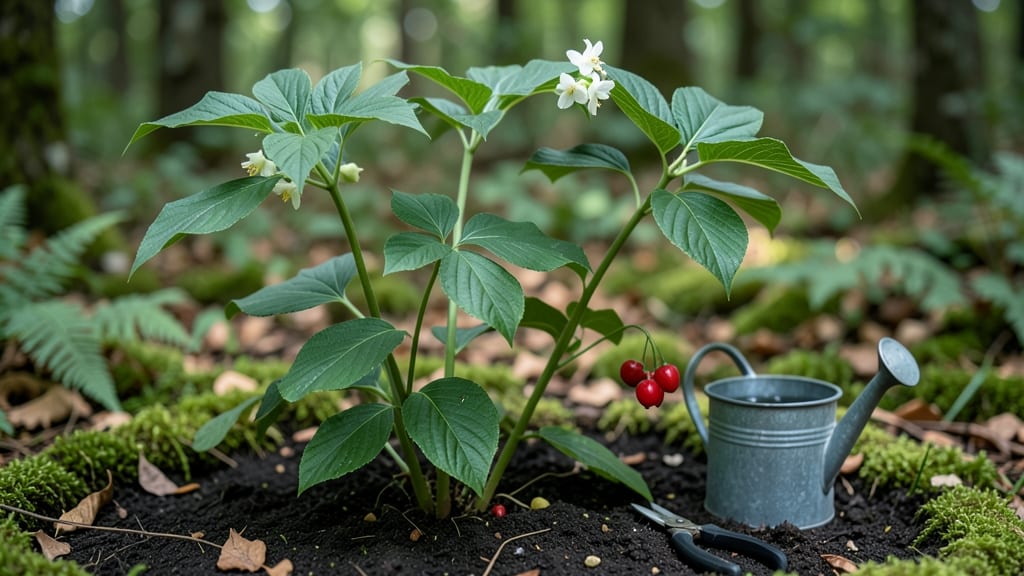
Growing Indian cucumber plant in containers is like having a cool-season green machine that doesn’t need a trellis. 🌱 Its delicate, lacy foliage thrives in pots, making it perfect for small spaces or balconies where vining plants usually struggle.
Unlike its edible cucumber cousins, this ornamental beauty spreads instead of climbing, creating a lush, ground-hugging carpet of leaves. The secret to success lies in its love for cool temperatures and well-draining soil.
Plant it in a container with at least 12 inches of depth and fill it with a mix of potting soil and compost. Unlike finicky vegetables, this plant tolerates partial shade, though it blooms best with 4-6 hours of morning sun.
Water consistently but avoid soggy roots—it’s drought-tolerant once established. By late spring, you’ll be rewarded with clusters of tiny white flowers that attract pollinators, followed by seed pods that add texture to your garden.
The foliage stays vibrant green all season, and it self-seeds readily, meaning you’ll likely have volunteers popping up next year. Perfect for adding softness to containers or borders. Here’s the best part: it’s low-maintenance and handles neglect better than many ornamentals. Just avoid over-fertilizing—this plant prefers lean soil.
Whether you’re a beginner or a seasoned gardener, it’s a foolproof way to add greenery without the fuss.
📚 In This Guide
- What you need
- Instructions
- Tips and common mistakes
- Wrapping up and next steps
What you need
- ● Seeds or seedlings: 3–5 Indian cucumber plant seeds (or 1–2 young seedlings from a nursery). Pro tip: Start indoors 6–8 weeks before the last frost for a head start! 💡
- ○ Container: 1–2 medium-sized pots (10–12 inches in diameter) with drainage holes. Optional: Self-watering pots for low-maintenance care. 🌡️
- ● Well-draining potting mix: 2–3 gallons of a high-quality, organic mix (e.g., 60% peat moss, 30% perlite, 10% compost). Skip the heavy garden soil!
- ● Organic fertilizer: 1 cup of balanced (10-10-10) or slow-release granular fertilizer (or compost tea for a natural boost).
- ● Watering can or hose with a gentle spray nozzle: For even moisture without disturbing roots.
- ● Gloves & small trowel: For handling soil and transplanting seedlings.
- ○ Mulch (optional): 1–2 inches of straw or shredded leaves to retain moisture and suppress weeds.
- ○ Support cage (optional): A 12-inch tomato cage or stakes if you want to train vines vertically (though this plant thrives sprawling!).
- ● Pruning shears: For trimming leggy growth or dead leaves.
Step-by-step guide to growing Indian cucumber plant in containers
This shade-loving perennial thrives in cool weather and stays compact—perfect for container gardens without trellis needs.
🌱 Step 1: Select the Right Container and Soil Mix
Choose a 12-inch-wide pot with drainage holes—Indian cucumber plant (Medeola virginiana) has fibrous roots that need room to spread. I prefer terra cotta because it wicks away excess moisture, preventing root rot in its native woodland habitat. Fill the bottom third with orchid bark or perlite for aeration.
For soil, blend 50% peat moss with 50% well-draining potting mix—this mimics its forest floor home. Add a handful of compost for nutrients, but avoid heavy garden soil, which compacts and suffocates roots. The mix should crumble easily when squeezed but hold light moisture.
🌿 Step 2: Plant Tubers at the Correct Depth and Spacing
Indian cucumber plant grows from tubers, not seeds. Plant each 1-2 inch tuber (about the size of a walnut) 1 inch deep, spacing them 6 inches apart in the pot. Tubers have a distinct top—orient them upward to encourage proper growth. If planting multiple tubers, leave 4 inches between clusters to avoid crowding.
Gently firm the soil around the tubers but don’t pack it down. Water lightly until the soil feels evenly moist to 1 inch deep. Overwatering now can cause tubers to rot before sprouting. Place the pot in partial shade (3-4 hours of morning sun) until shoots emerge.
☀️ Step 3: Provide Ideal Light and Temperature Conditions
This woodland native thrives in cool temperatures (60-75°F) and dappled shade—direct afternoon sun scorches its delicate leaves. Position your container where it gets morning sun and afternoon shade, like under a tree or on an east-facing porch. If indoors, place it near a north-facing window or use a grow light set to 12 hours/day on a timer.
Watch for yellowing leaves—a sign of too much light. If this happens, move the plant deeper into shade. Conversely, pale, leggy growth means it needs more light. Indian cucumber plant is hardy to Zone 3, so it tolerates cool springs and falls beautifully.
💧 Step 4: Water and Fertilize for Optimal Growth
Water when the top 2 inches of soil feel dry—this plant dislikes soggy roots but needs consistent moisture. I use a self-watering pot with a moisture meter to avoid guesswork. Water deeply until it drains from the bottom, then empty the saucer to prevent root rot. In containers, mulch with 1 inch of shredded bark to retain moisture and regulate soil temperature.
Fertilize lightly in spring with a balanced 10-10-10 fertilizer at half strength. Too much nitrogen encourages leafy growth at the expense of showy white flowers and edible tubers. Feed again in early summer if growth slows. By mid-summer, reduce watering slightly to encourage tuber development.
✂️ Step 5: Prune and Harvest Tubers for Continued Growth
Deadhead spent flowers to redirect energy to tuber production. Use clean pruners to snip stems just above a leaf node—this prevents disease and encourages bushier growth. If the plant outgrows its pot, divide it in early spring by separating tubers and replanting. Each tuber produces multiple offsets, making propagation easy.
Harvest tubers in late fall after the foliage yellows. Gently dig around the plant with a small trowel, lifting tubers carefully. Rinse off soil and store in a cool, dark place (like a root cellar) for up to 3 months. Replant tubers in spring—they’ll regrow year after year in containers!
Tips & tricks for perfect Indian cucumber plant growth in containers
These game-changing tips will help your woodland beauty thrive year after year without the fuss.
Container Material Matters: While terra cotta is ideal for moisture control, plastic pots actually retain more consistent temperatures—perfect for cooler climates. If using plastic, add extra perlite to the mix (up to 20% of the total volume) to compensate for reduced breathability. I’ve seen roots thrive in both, but plastic containers keep soil moisture more stable during those 3-4 hours of morning sun when evaporation spikes.
Tuber Orientation Technique: Here’s what nobody tells you—the distinct top of the tuber isn’t always obvious! Look for the slightly flatter, less fibrous side—this is the bottom. Planting tubers upside down won’t kill them, but it’ll delay sprouting by 2-3 weeks while they reorient. A quick trick: Soak tubers in lukewarm water for 10 minutes before planting—they’ll naturally float with the top up!
Light Monitoring System: For precise light management, use a simple color-coded tracking method: Place a small white card near the plant. If leaves cast sharp shadows on the card during those 3-4 hours of morning sun, you’re golden. If shadows are fuzzy or leaves touch the card, move it deeper into shade immediately. This visual cue prevents the yellowing that throws off so many growers.
Fertilizer Timing Secret: The 10-10-10 fertilizer application in spring should happen when you see the first set of true leaves (not the initial sprouts). This ensures nutrients support root establishment rather than just foliage. In early summer, if growth slows, switch to a 5-10-10 formula—the reduced nitrogen prevents leafy overgrowth that steals energy from tuber development. Think of it as feeding for the harvest, not just the show!
Pro Tips for Indian Cucumber Plant
- These game-changing tips will help your woodland beauty thrive year after year without the fuss.
- Container Material Matters: While terra cotta is ideal for moisture control, plastic pots actually retain more consistent temperatures—perfect for cooler climates.
- Tuber Orientation Technique: Here’s what nobody tells you—the distinct top of the tuber isn’t always obvious!
Frequently asked questions
Got questions about growing the Indian cucumber plant? You’re not alone!
Whether you’re curious about care tips, timing, or troubleshooting, we’ve got answers to help your Mertensia virginica thrive—even in containers. Dive into these common queries below!
Is the Indian cucumber plant easy to grow for beginners?
The Indian cucumber plant (Mertensia virginica) is a fantastic choice for beginners! It’s low-maintenance, thrives in partial shade, and tolerates a range of soil types. Just ensure it gets consistent moisture and well-draining soil, and you’re golden. Perfect for container gardening too!
When is the best time to plant Indian cucumber?
Plant seeds or transplants in early spring (after the last frost) or late summer for a fall display. This cool-season plant loves temperatures between 50–75°F (10–24°C). Avoid planting in extreme heat—it may struggle until temperatures drop.
Can I grow Indian cucumber in containers without a trellis?
This plant stays compact (1–2 feet tall) and doesn’t need a trellis. Use 6–8 inch pots with drainage holes and a well-draining potting mix. Just ensure the container gets enough moisture—containers dry out faster than garden beds.
What pests or diseases should I watch for?
Indian cucumber is generally pest-resistant, but keep an eye out for aphids or slugs, especially in humid conditions. If leaves yellow or wilt, check for overwatering or root rot. Aphids can be sprayed off with water, while slugs may need organic bait.
What’s a good alternative if I can’t find Indian cucumber seeds?
If Mertensia virginica isn’t available, try these shade-loving, low-maintenance alternatives:
- Lungwort (Pulmonaria) – Unique spotted leaves and early blooms.
- Bleeding heart (Dicentra spectabilis) – Delicate pink/white flowers.
- Hosta – Classic shade plant with bold foliage.
Wrapping up and next steps
The Indian cucumber plant is a fantastic, low-maintenance choice for cool-season gardens—especially when grown in containers without a trellis! 🌱 Whether you love its lush foliage, edible roots, or medicinal benefits, this hardy plant proves that even small spaces can yield big rewards.
With the right soil, sunlight, and care, you’ll enjoy a thriving harvest in no time.
Ready to dive in? Start small—try one container this season! Experiment with varieties, share tips with fellow gardeners, and watch your green thumb grow. Happy planting! 🌿