
Planting
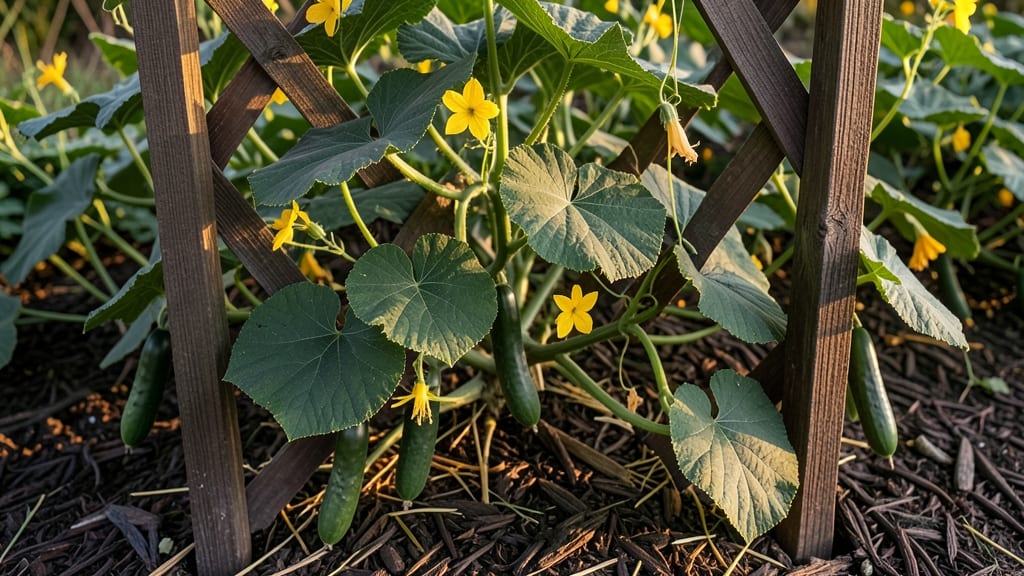
"Hybrid cucumbers like 'Straight Eight' or 'Sweet Success' deliver 55-day harvests that outpace heirlooms—if you plant them right. 🌱 I’ve grown both bush and vining types, and the pole varieties consistently win for space efficiency and disease resistance, even in my humid summers.
The key isn’t just the seed; it’s the setup that turns those first tendrils into a productive wall of green by mid-July.
Start with well-draining soil (amend with compost if your dirt feels heavy) and a strong trellis—bamboo stakes or a wire cage works.
Plant seeds 1 inch deep, 3–4 feet apart, and keep them warm with black plastic mulch if your spring nights still dip below 50°F. Water consistently at the base (not overhead) to prevent mildew, and watch those vines climb within 10 days.
The first cucumbers arrive in 55 days, but proper spacing and support mean no broken stems or rotting fruit.
You’ll end up with smooth-skinned, crack-resistant cucumbers that stay crisp even when picked large.
The plants handle heat better than heirlooms, produce more fruit per vine, and resist common diseases like powdery mildew—so long as you prune suckers (those little shoots at the leaf junctions) to focus energy on fruit production. The real magic?
One well-supported plant yields 20+ cucumbers, enough for pickling, salads, and sharing with neighbors.
Works for containers (5-gallon pots with trellises), raised beds, or traditional rows. If you’ve ever struggled with cucumbers flopping or bolting too fast, this method changes everything. Let’s get those seeds in the ground—or at least your wishlist updated for next spring’s order.
📚 In This Guide
- What you need
- Instructions
- Tips and common mistakes
- Wrapping up and next steps
What you need
- ● Hybrid cucumber seeds: Choose a fast-maturing variety like 'Straight Eight' or 'Marketmore 76' (pack of 10-20 seeds).
- ● Pole or trellis: 6-8 ft tall (2-3 poles per plant or a 4x8 ft trellis for multiple plants).
- ● Well-draining potting mix: 10-15 lbs (for containers) or enrich garden soil with compost (1-2 lbs per sq ft).
- ● Organic fertilizer: Balanced 10-10-10 or compost tea (1 tbsp per plant at planting).
- ○ Mulch: Straw or black plastic (optional but helps retain moisture).
- ● Garden trowel or shovel (for planting).
- ● Watering can or hose with gentle spray (avoid soaking seeds).
- ● Pruning shears (for trimming vines later).
- ● Sunny spot: 6-8 hours of sunlight daily (partial shade in hot climates).
- ● Warmth: Soil temp ≥55°F (13°C) for germination.
- ● Grow lights (if starting indoors early).
- ● Drip irrigation system (for consistent moisture).
- ● Cucumber support ties (to secure vines to poles).
- ● Row covers (to protect from pests like cucumber beetles).
Step-by-Step instructions for growing hybrid cucumber plants
Here’s the method I’ve used to grow 4 vigorous hybrid cucumber plants that climb poles and produce fruit in just 55 days—no fuss, no wasted space.
🌱 Step 1: Choose the Right Location and Prepare the Soil
Hybrid cucumbers thrive in full sun (at least 6-8 hours daily) and warm soil—aim for 65-85°F for best germination. I pick a spot with rich, well-draining soil and work in 2-3 inches of compost a few weeks before planting. The goal is loose, fertile soil that roots can spread through easily.
If your soil is heavy clay or sandy, mix in 1-2 inches of aged manure or compost to improve texture and fertility. Avoid fresh manure—it burns tender roots. Test the pH too; cucumbers prefer 6.0-6.8. If your soil runs acidic, add pelletized lime to adjust it before planting.
🪴 Step 2: Plant Seeds or Transplants at the Right Time
For direct sowing, wait until soil temperatures reach 60°F—use a soil thermometer to check. Plant 4 seeds (as listed in your servings) ½ inch deep and 1 inch apart in a 12-inch-wide trench. Space trenches 3-4 feet apart to allow for trellising and airflow. Thin to the strongest seedling per spot once they’re 2 inches tall.
If using transplants, harden them off for 7-10 days before moving outside. Plant them 1 inch deeper than their container to encourage strong root growth. Water deeply right after planting to settle the soil and eliminate air pockets around the roots.
☀️ Step 3: Set Up Trellises and Train Vines Early
Install 5-6 foot tall trellises (bamboo stakes, wire cages, or A-frame structures work well) right after planting. Cucumbers grow fast, and vines will sprawl aggressively if left unchecked. I use twine or soft garden tape to gently guide the main stem upward, securing it every 6-12 inches as it grows.
Pinch off the first 3-4 leaves above the trellis to encourage upward growth. This might sound counterintuitive, but it forces energy into climbing rather than sprawling. Once vines reach the top, let them cascade down one side—this keeps fruit off the ground and reduces disease risk.
💧 Step 4: Water and Fertilize for Maximum Yield
Cucumbers need consistent moisture—water deeply 2-3 times per week, aiming for 1-1.5 inches of water total. Let the top 1-2 inches of soil dry between waterings to prevent rot, but never let plants wilt. I water in the early morning to reduce fungal risks from damp foliage.
Feed plants every 2-3 weeks with a balanced fertilizer (like 10-10-10) or a low-nitrogen, high-potassium blend (5-10-10) once flowering begins. Stop fertilizing 2 weeks before harvest to avoid bitter fruit. Yellowing leaves? That’s often a sign of overwatering or nitrogen excess—cut back and let the soil dry slightly.
✂️ Step 5: Prune and Harvest for Continuous Production
Prune male flowers (the ones without tiny cucumbers at the base) to redirect energy to female flowers and fruit. Female flowers have a tiny cucumber at their base—leave these to set fruit. Once fruit appears, harvest every 2-3 days to encourage more production. Overripe cucumbers steal energy from new growth.
Use a sharp knife or pruners to cut stems ½ inch above the leaf node when harvesting. This prevents disease from spreading through open wounds. If vines slow down in late summer, give them a light trim to remove old leaves and redirect energy to new growth. You’ll get a second flush of fruit this way.
Tips & tricks for growing pole-climbing hybrid cucumbers
These simple strategies will help you maximize your cucumber harvest with minimal effort—no green thumbs required.
Soil Temperature is Everything: That 60°F soil temperature in Step 2 is non-negotiable for germination. I’ve learned this the hard way—planting too early in cool soil leads to seeds rotting underground. Use a soil thermometer for accuracy, especially in spring or fall. If your soil runs cooler, consider using black plastic mulch a few days before planting to warm it up naturally.
Trellis Timing Matters: Don’t wait until vines are sprawling to set up trellises in Step 3—install them right after planting. Cucumbers grow at lightning speed, and vines can reach 6 feet in just 2-3 weeks. I’ve seen beginners struggle with tangled, unruly plants because they delayed trellising. Use soft twine or garden tape to gently guide vines upward without damaging tender stems.
Watering Wisdom: The 2-3 times per week guideline in Step 4 is perfect, but consistency is key. I’ve noticed that morning watering (as recommended) reduces fungal diseases dramatically. Use a soaker hose or drip irrigation to deliver water directly to the soil, avoiding wet foliage. This keeps leaves dry and prevents common issues like powdery mildew, which can devastate your crop.
Harvesting Hack: Those 2-3 day harvest intervals in Step 5 make all the difference. I’ve found that harvesting with a sharp knife (not pulling by hand) prevents stem damage and reduces disease entry points. Also, pick fruit when it’s firm and bright green—overripe cucumbers not only taste bitter but also signal the plant to stop producing. A quick check every other day keeps your plants in peak production mode.
Pro Tips for Hybrid Cucumber Plant
- These simple strategies will help you maximize your cucumber harvest with minimal effort—no green thumbs required.
- Soil Temperature is Everything: That 60°F soil temperature in Step 2 is non-negotiable for germination.
- Trellis Timing Matters: Don’t wait until vines are sprawling to set up trellises in Step 3—install them right after planting.
Frequently asked questions
Got questions about growing hybrid cucumber plants? You’re in the right place! Here are some of the most common queries—plus quick, actionable answers to get your pole-climbing cucumbers thriving in just 55 days.
What’s the best time to plant hybrid cucumbers for maximum yield?
Plant hybrid cucumbers after the last frost when soil temps hit 60°F+ (15°C+). For cooler climates, use black plastic mulch to warm the soil faster. In warmer zones, start seeds 2–3 weeks before the ideal planting window to beat the heat. Pro tip: Morning sun and afternoon shade help prevent wilting in peak summer!
Can I grow hybrid cucumbers in containers or do they need a garden?
Hybrid cucumbers thrive in 5-gallon containers or larger with proper support (like a trellis or cage). Use a lightweight potting mix with compost and ensure drainage. Just avoid overcrowding—1 plant per 2–3 sq ft (or container) is ideal. Bonus: Containers make harvesting easier and deter pests like squash bugs!
Why are my hybrid cucumber leaves turning yellow? What’s wrong?
Yellow leaves usually signal overwatering, nutrient deficiency (like nitrogen), or disease. Check soil moisture—1–1.5 inches of water weekly is key. If lower leaves yellow first, it’s often fungal disease (like powdery mildew). Prune affected leaves, improve airflow, and spray with neem oil preventatively. Quick fix: A balanced fertilizer (like 10-10-10) can revive struggling plants!
How do I know when hybrid cucumbers are ready to harvest?
Harvest hybrid cucumbers when they’re 6–8 inches long and firm to the touch (varies by variety—check seed packets!). Use pruning shears or scissors to avoid damaging vines. Pick consistently to encourage more production. Pro move: Harvest in the morning for the crispest, juiciest cucumbers!
Are hybrid cucumbers self-pollinating? Do I need to hand-pollinate?
Most hybrid cucumbers are self-pollinating (no need to hand-pollinate!), but a gentle shake of the vines can boost fruit set. If you notice flower drop or poor yields, check for pests (like bees or squash vine borers) or temperature stress (below 55°F or above 90°F). Fun fact: Bees love cucumber flowers—welcome them to your garden!
Wrapping up and next steps
Growing hybrid cucumber plants like the pole-climbing varieties is a rewarding journey—packed with speed, efficiency, and delicious results in just 55 days! 🌱 Whether you’re saving space, boosting yields, or simply loving the crisp, sweet cucumbers they produce, these plants prove that big rewards come from small (and vertical) beginnings.
Now that you’re armed with the right materials and answers, it’s time to roll up your sleeves and get planting!
Ready to take the next step? Start by sketching your garden layout—mark where your trellis or pole will go, prep your soil, and set a reminder to plant those seeds by your last frost date. Happy growing, and may your harvest be abundant! 🍉✨