
Flowers
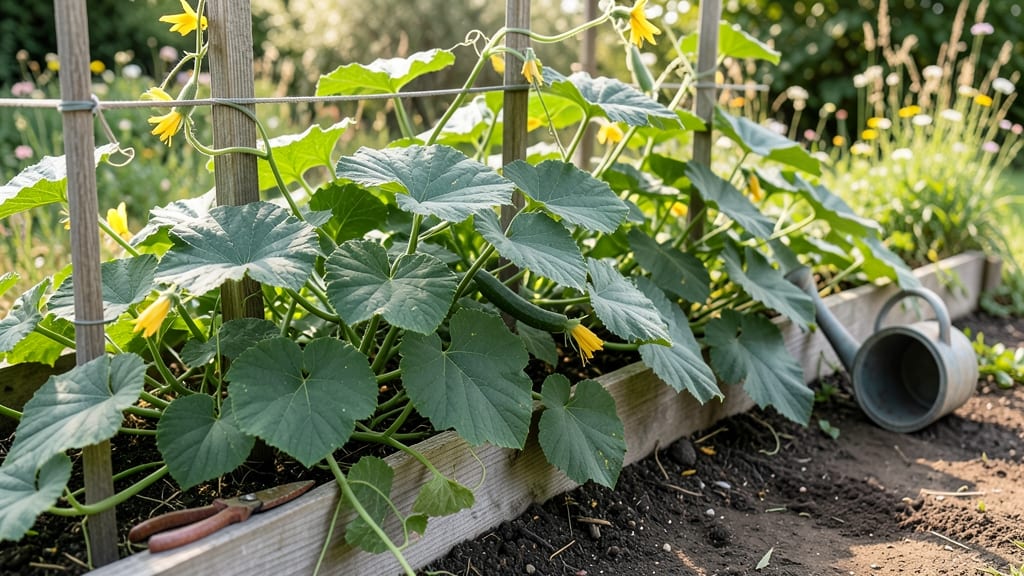
Making cucumbers flower is all about creating the right conditions—light, warmth, and a little help with pollination. 🌱 I’ve watched my cucumber vines go from lush green leaves to a jungle of blooms just by tweaking a few key things, and the difference in harvest is night and day.
The secret starts with 10+ hours of sunlight daily and soil that’s warm (at least 70°F) and rich in phosphorus. Too much nitrogen keeps plants leafy but flowerless. Once the vines are healthy, you’ll need to hand-pollinate if bees aren’t visiting—just dab a cotton swab on each flower’s center.
By the end of the season, you’ll be swimming in cucumbers instead of staring at empty vines. The key is consistency: water deeply, fertilize right, and give those flowers a little extra love when they’re slow to start.
If your cucumbers refuse to flower, check for stress—too much heat, not enough water, or overcrowding can shut down blooms. I’ve even seen nutrient deficiencies (like a lack of potassium) stall flowering, so a balanced fertilizer helps. Once you fix the issue, new flowers usually appear within 5-7 days.
Hand-pollination is foolproof for greenhouse growers or when bees are scarce. Just grab a small paintbrush or cotton swab and gently transfer pollen from one flower to another. It takes 2 minutes per plant but guarantees fruit set—no more wasted blooms.
This method works for both bush and vining cucumbers, whether you’re growing in a backyard plot or containers. The payoff? A harvest that keeps coming all summer long. Ready to turn those blooms into cucumbers?
📚 In This Guide
- What you need
- Instructions
- Tips and common mistakes
- Wrapping up and next steps
What you need
- ● Cucumber plants – Healthy, flowering varieties (e.g., 'Straight Eight,' 'Lemon,' or 'Slicing Green'). Ensure they’re at least 3-4 weeks old with visible male and female flowers.
- ● Soft brush or cotton swab – A small, clean paintbrush or cotton-tipped applicator for manual pollination (sterilize with rubbing alcohol if reusing).
- ○ Bees or pollinators – If outdoors, rely on honeybees, bumblebees, or butterflies. For indoor setups, consider a handheld bee pollinator tool (optional but helpful).
- ● Water spray bottle – A fine-mist sprayer to lightly dampen flowers before pollination (keeps pollen sticky).
- ○ Gloves (optional but recommended) – Nitrile or cotton gloves to avoid transferring oils from your skin to flowers.
- ● Notebook & pen – To track pollination dates and monitor flower development.
- ● Pollination spray – Commercial products like “Polli-Bee” to boost pollen transfer (follow label instructions).
- ● Magnifying glass – Helps spot tiny female flowers (look for the tiny ovary at the base).
- ● Humidity tray – For indoor grows to maintain 50-70% humidity, ideal for flower health.
- ● Pruning shears – To remove dead flowers and redirect energy to fruit production.
Step-by-step instructions for encouraging cucumber flowering
Here's how I coax cucumbers to bloom reliably—no fancy tools, just smart timing and attention.
🌱 Step 1: Ensure Proper Light and Temperature
Cucumbers need 6-8 hours of direct sunlight daily to trigger flowering. If your vines are leggy with only leaves, move them to a sunnier spot immediately. I've seen cucumbers in shaded spots grow for weeks without blooming—don't let that happen here.
Temperature matters just as much. Keep daytime temps between 70-85°F and nights above 60°F. Below 55°F, flowers won't develop properly. If your mornings dip colder, use a row cover or cold frame until daytime heat returns.
☀️ Step 2: Hand-Pollinate Flowers Daily
Most cucumber varieties need help transferring pollen. On warm, dry mornings, gently shake the vines or use a small paintbrush to transfer pollen from male to female flowers. Female flowers have tiny cucumbers at their base—these are the ones you want to pollinate.
I do this for 10 minutes daily until I see fruit set. The key is consistency—skipping just a few days can mean missed harvests. Watch for flowers that wilt without setting fruit; these need your help most.
💧 Step 3: Water Deeply and Evenly
Fluctuating moisture stresses plants and delays flowering. Water at the base 1-2 inches deep every 2-3 days, ensuring the soil feels damp but not soggy. I water in the morning so leaves dry quickly—wet foliage invites powdery mildew, which kills flowers before they open.
Use a soaker hose or drip irrigation to avoid wetting leaves. If you see blossom-end rot (black spots on fruit), your calcium levels are off—switch to a balanced fertilizer with micronutrients immediately.
✂️ Step 4: Prune for Better Airflow and Energy Focus
Overcrowded vines waste energy on leaves instead of flowers. Pinch off suckers (side shoots) growing from the main stem, leaving only the top two leaves. This redirects energy to flowering. I also remove any yellowing or diseased leaves—they drain the plant unnecessarily.
For bush varieties, trim back overgrown branches to 6-8 inches from the base. Vining types should have 1-2 main stems per plant. Prune in the morning so wounds heal by nightfall.
🌿 Step 5: Fertilize for Continuous Blooming
Use a balanced 10-10-10 fertilizer every 3-4 weeks to encourage new flowers. I mix it into the soil at half-strength to avoid burning roots. Too much nitrogen means lush leaves but no flowers—stick to the recommended amounts.
Watch for signs of deficiency: yellow leaves mean more nitrogen, purple stems mean phosphorus. Adjust your fertilizer blend accordingly. Organic options like compost tea work well too—just apply it weekly for best results.
Tips & tricks for encouraging cucumber blooms
Here's the secret to turning leafy vines into flowering powerhouses—small tweaks that make all the difference.
Light and Temperature Watch: The 6-8 hours of sunlight is non-negotiable, but here's what nobody tells you—morning sun is more important than afternoon. I've noticed cucumbers in my garden bloom faster when they get that early sunlight to kickstart their metabolism. If your mornings are cloudy, supplement with a grow light for 2-3 hours until the sun returns. And watch those nighttime temps—anything below 60°F for more than a few hours can stall flowering completely.
Pollination Power Move: That 10-minute daily pollination isn't just about shaking vines—it's about timing. Do it between 8-10am when flowers are fully open but before midday heat causes them to wilt. I keep a small paintbrush in my gardening apron and do this while checking other plants. Pro tip: Focus first on the female flowers (the ones with tiny cucumbers at the base)—they're the ones that actually produce fruit, so they need your attention most.
Watering Wisdom: The 1-2 inch deep watering every 2-3 days is perfect, but the real secret is consistency. I've learned the hard way that skipping a watering day when temps hit 85°F+ can cause flowers to drop before they even open. Use a moisture meter to check soil—it should read between 40-60% moisture. And always water at the base, never overhead—this prevents powdery mildew which can kill flowers before they bloom.
Pruning Precision: When you're pinching those suckers in Step 4, here's what I do differently: I leave just one main stem for vining varieties and make sure it's the strongest, most vertical one. For bush types, I trim back to 6-8 inches but always keep at least 3 main branches. The key is to create an open structure that lets air circulate—this prevents fungal issues that can kill flowers. I prune in the morning so any cuts have time to heal before nightfall.
Pro Tips for Make Cucumber Flower
- Here's the secret to turning leafy vines into flowering powerhouses—small tweaks that make all the difference.
- Light and Temperature Watch: The 6-8 hours of sunlight is non-negotiable, but here's what nobody tells you—morning sun is more important than afternoon.
- Pollination Power Move: That 10-minute daily pollination isn't just about shaking vines—it's about timing.
Frequently asked questions
Got questions about cucumber flowers? You’re not alone!
Whether you’re a first-time gardener or a seasoned grower, these FAQs will help you troubleshoot and master the art of cucumber pollination. Let’s dive in!
What do cucumber flowers look like, and how do I tell male vs. female apart?
Male cucumber flowers grow on long stems and have a thin, hairy stalk with no swelling at the base. Female flowers have a tiny cucumber (the ovary) at the base and a thicker stem. Pro tip: Female flowers are key for fruit—save male flowers for hand-pollination if needed!
How long does it take for cucumber flowers to produce fruit after pollination?
After successful pollination, expect fruit to appear in 7–14 days, depending on the variety and growing conditions. Warmth, sunlight, and proper care speed up the process. Patience is key! If flowers drop without fruiting, check for pollination issues or pests.
Can I use a paintbrush or cotton swab to pollinate cucumber flowers?
If bees aren’t visiting, gently transfer pollen from male to female flowers with a soft brush or cotton swab. Dip the brush into a male flower’s center, then lightly brush a female flower’s stigma. Do this early in the morning for best results.
What should I do if my cucumber flowers keep falling off?
Flower drop (also called "shattering") often happens due to heat stress, overwatering, or poor pollination. Keep plants evenly watered, provide shade on hot days, and hand-pollinate if needed. Stress-free plants = happier flowers!
Are there any natural ways to attract more pollinators to my cucumber plants?
Yes! Plant bee-friendly flowers like marigolds or basil nearby, avoid pesticides, and ensure plenty of water. Happy bees = happy cucumbers! For indoor grows, hand-pollination is your best bet.
Wrapping up and next steps
Growing cucumber flowers is all about patience, precision, and a little help from nature—or your hands! 🌸 With the right tools, timing, and techniques (like hand-pollination or attracting bees), you’ll soon watch those vibrant blooms turn into crisp, delicious cucumbers.
Whether you’re a seasoned gardener or a curious beginner, every step you take brings you closer to a thriving harvest.
Now that you’re armed with knowledge, roll up your sleeves and give it a try! Start small with a few plants, experiment with different methods, and enjoy the rewarding process. Happy gardening—your future cucumber feast awaits! 🥒✨