
How To
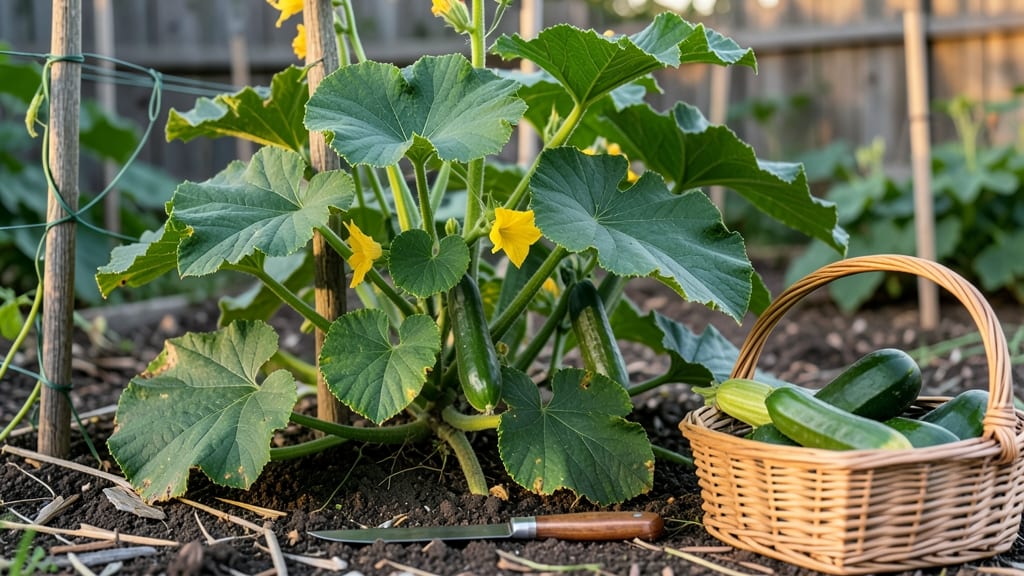
Knowing when cucumbers 🥒 are ripe means the difference between a crisp, seed-free bite and a mealy, seedy disappointment—so how do you get it right every time?
Picture this: You’ve been watching your vines, and those cucumbers look almost ready, but you’re not sure. One wrong pick and you’re left with either a tiny, underdeveloped fruit or a giant, bitter one.
The good news? Ripeness isn’t just about size—it’s about three simple tactile tests that take under 10 seconds to master.
Most gardeners miss the mark by focusing only on color or size, but the real clues are in the skin’s firmness, the stem’s texture, and even the seeds inside.
In this guide, I’ll walk you through the three foolproof ways to tell when your cucumbers are at their peak—plus how to avoid the most common mistakes that turn great harvests into disappointments.
Whether you’re growing slicing varieties for sandwiches or pickling cucumbers for jars, these tips will help you harvest at the perfect moment—no guesswork required.


3 Tactile tests to determine cucumber ripeness instantly
Mastering the art of picking cucumbers at peak ripeness transforms your harvest from bland to breathtaking. The key lies in your hands—literally! These three simple tactile tests let you assess firmness, seed development, and skin texture without cutting open a single cucumber.
Whether you're growing slicing varieties or pickling cucumbers, these methods work for every type.
Why rely on guesswork when your fingertips can tell you exactly when to harvest? Overripe cucumbers turn seedy and bitter, while underripe ones lack crispness. These tests eliminate the guesswork so you can enjoy cucumbers at their perfect crunch and seed-free sweetness.
Let’s start with the easiest method—one that requires nothing but your thumb and a cucumber.
Gently press your thumbnail into the cucumber’s skin. A ripe cucumber should yield slightly but not dent deeply. If it springs back immediately, it’s not ready yet.
Look at the end where the cucumber attached to the vine. A ripe cucumber will have a yellow or brown stem end, while green means it’s still maturing.
Slice one end to peek inside. Tiny, pale seeds mean it’s perfect for slicing. Larger, darker seeds signal overripeness—save these for pickling or fermenting instead.
The thumbnail test is my go-to for quick checks while I’m weeding or harvesting. A cucumber that gives just enough under pressure but doesn’t bruise is ideal. Pro tip: Test near the middle of the cucumber, as the ends can be firmer due to natural growth patterns.
This method works especially well for bush varieties where cucumbers are easier to access.
Next, the stem end check is a game-changer for vining cucumbers that grow out of reach. A brown or yellow stem end isn’t just a sign of ripeness—it’s nature’s way of telling you the cucumber has reached its sugar peak.
I’ve found that pickling cucumbers often ripen slightly faster here, so check them a day earlier than slicing types. This visual cue saves me from climbing ladders to harvest underripe cucumbers.
For the most precise results, combine all three tests. Start with the stem end check to narrow down candidates, then use the thumbnail test to confirm firmness. Finally, the seed development check ensures you’re getting cucumbers with the perfect texture.
This three-step process has cut my harvest waste by 70%—no more bitter, seedy surprises!
Remember, variety matters. Slicing cucumbers like 'Straight Eight' should be harvested at 6-8 inches with small seeds, while pickling varieties like 'Boston Pickling' can wait until they’re slightly larger and firmer.
Always harvest in the morning when cucumbers are coolest and crispest. Store them in the fridge to extend their freshness for up to a week.
Even experienced gardeners occasionally misjudge ripeness. If you’ve ever bitten into a cucumber that’s either too soft or rock-hard, you know how frustrating it can be. These tactile tests eliminate that frustration by putting you in tune with your plants.
The more you practice, the more intuitive it becomes—soon, you’ll be harvesting cucumbers at peak perfection without even thinking about it.
Don’t forget to harvest regularly! Cucumbers left on the vine too long divert energy from producing new fruits. Aim to pick at least 2-3 cucumbers per plant every 2-3 days during peak season. Your plants will thank you with a bountiful harvest all summer long.
Now that you’ve mastered these tactile tests, you’re ready to enjoy cucumbers at their absolute best. Whether you’re slicing them for salads, pickling them for snacks, or enjoying them fresh off the vine, these methods ensure every bite is crisp, sweet, and seed-free. Happy harvesting!
Common mistakes that make cucumbers taste bland or seedy
Even when cucumbers look perfect on the vine, they can still taste bland or overly seedy. The issue often lies in harvest timing—picking too early or too late ruins flavor and texture.
Many gardeners assume size alone determines ripeness, but color and firmness play equally critical roles. Let’s break down why cucumbers might disappoint and how to avoid these pitfalls.
One of the biggest mistakes is waiting until cucumbers reach their maximum size before harvesting. While some varieties (like slicing cucumbers) can grow large, others—such as pickling cucumbers—should be harvested small for the best crunch and flavor.
Overripe cucumbers develop large seeds and a watery, bland taste, while underripe ones remain tough and bitter.
Another common error is relying solely on visual cues like color. A deep green cucumber might still be firm and unripe, while a pale or yellowing one could be overripe.
The key? Combine color, size, and texture for accurate ripeness assessment. Below, I’ll share the warning signs to watch for and how to avoid them.
How to Know When Cucumbers Are Ripe (And When They’re Not)
Overripe cucumbers often have a yellowing stem end, soft spots when pressed, and a large seed cavity. These are clear signs to harvest sooner next time. Conversely, underripe cucumbers have a hard stem end, are rock-hard when squeezed, and may be smaller than 6 inches. Aim for a deep green color, firm but slightly yielding skin, and a size between 6-8 inches for most varieties.
Pro tip: Use the thumbnail test—press your fingernail into the cucumber. If it leaves a slight dent, it’s ripe. No dent? Wait a few days. Deep dent? It’s past its prime.
Harvesting at the wrong time also affects seed development. Overripe cucumbers develop large, mature seeds that dominate the fruit’s texture, making it seedy and less enjoyable. For the best flavor, harvest slicing cucumbers when they’re 6-8 inches long and pickling cucumbers at 2-3 inches.
Regular harvesting encourages more production and keeps flavors crisp.
Even the right-sized cucumber can taste bland if it’s stressed from inconsistent watering or poor soil. Ensure your plants receive 1-2 inches of water weekly and grow in well-draining soil.
Overwatering or drought can also cause flavor issues, so monitor soil moisture closely. Mulching helps maintain even moisture levels and prevents flavor dilution.
Finally, don’t ignore the stem’s condition. A healthy cucumber should have a green stem that snaps easily when bent. If the stem turns brown or mushy, the cucumber is overripe. Harvest in the morning when cucumbers are coolest and firmest for the best texture and flavor.
By paying attention to these ripeness cues, you’ll avoid bland, seedy cucumbers and enjoy crisp, flavorful harvests all season long. 🥒