
Companion Plants
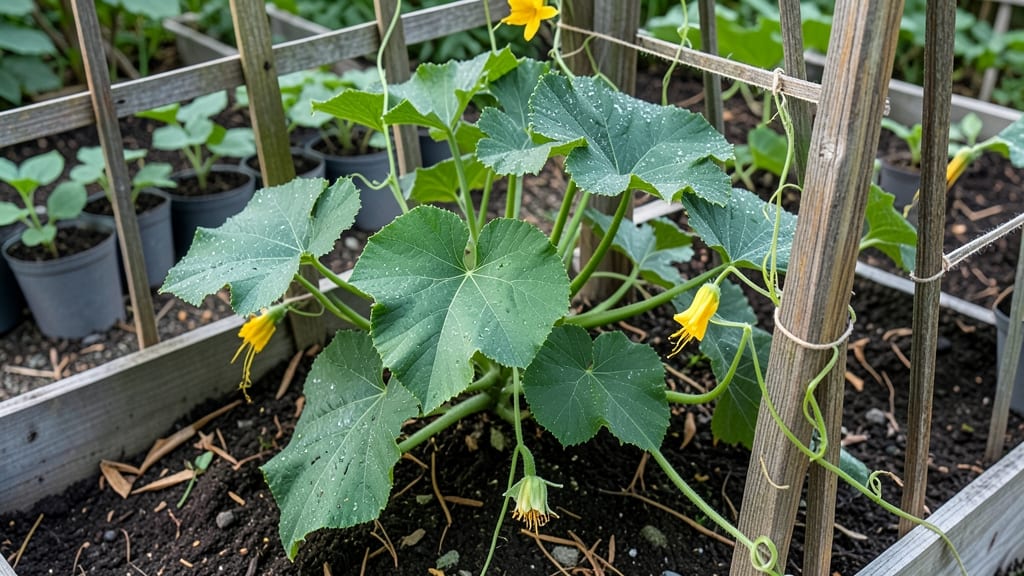
Hanging cucumber plants isn’t just clever—it’s the secret to bushier vines and a harvest that climbs instead of sprawls. 🌿 I’ve tried every trellis trick, and the right setup turns a single plant into a vertical jungle of crisp cucumbers, all while saving precious garden real estate.
The key? Choosing the right trellis, securing vines properly, and picking varieties that actually thrive when suspended. You’ll need a sturdy trellis (A-frame, fan-style, or even a simple string system), soft plant ties or old T-shirts for gentle support, and a few hours on a sunny afternoon.
The payoff? Better airflow means fewer diseases, and those cucumbers grow straighter, cleaner, and easier to pick. Plus, your neighbors will swear you’ve got a greenhouse when they see your vertical bounty. Once the vines are trained, maintenance is minimal—just a quick check every few days to ensure nothing’s sagging.
Varieties like ‘Straight Eight’ or ‘Marketmore’ handle hanging like pros, while bush types might need extra support. The biggest mistake? Waiting too long to tie—those vines grow fast, and a sudden storm can turn your harvest into a tangled mess.
This method works for balconies, small patios, or even a corner of your backyard. And if your cucumbers start looking like they’re about to snap under their own weight? It’s time to add more support—don’t let a few weak spots ruin the whole setup. Let’s get those vines climbing!
📚 In This Guide
- What you need
- Instructions
- Tips and common mistakes
- Wrapping up and next steps
What you need
- ● Cucumber plants: 2–4 healthy seedlings or seeds (depending on desired yield and space). Choose bush or vining varieties—both work!
- ● Trellis or hanging system: Option 1: A freestanding trellis (4–6 ft tall, made of wood, metal, or PVC pipes with horizontal slats or netting). Look for one with 1–2 inch spacing between supports.
- ● Option 2: A wall-mounted trellis (ensure it’s securely anchored to bear 10+ lbs of weight).
- ● Option 3: A hanging basket or sling (minimum 12–18 inches deep and 10–12 inches wide, with drainage holes). Use a sturdy hook or bracket for mounting.
- ● Support accessories: Garden twine or soft plant ties (10–15 ft, ¼-inch wide to avoid damaging vines).
- ● Clips or Velcro straps (for securing vines to trellises, 5–10 pieces).
- ● Potting mix: 1–2 gallons of lightweight, well-draining soil mix (e.g., 50% potting soil + 50% compost or a pre-mixed veggie blend).
- ● Container or growing bag: If not using a hanging basket, a 5-gallon fabric grow bag or 10–12 inch diameter pot with drainage.
- ● Watering can or hose with a gentle spray nozzle (for even moisture without disturbing roots).
- ● Fertilizer: A balanced organic fertilizer (e.g., 10-10-10 or fish emulsion) or compost tea for a nutrient boost.
- ● Mulch: Straw or shredded leaves to retain moisture and regulate soil temperature.
- ● Pruning shears: For trimming excess leaves or deadheading (sterilized with rubbing alcohol).
- ● Shade cloth: If your climate gets scorching hot, a 30–50% shade cloth can protect young plants.
- ● Drip irrigation kit: For automated watering (great for busy gardeners!).
- ● Companion plants: Marigolds or nasturtiums to deter pests like cucumber beetles.
Step-by-step guide to hanging cucumber plants for maximum yield
Here’s the method I’ve used for years to turn sprawling vines into tidy, productive climbers that save space and boost harvests.
🪴 Step 1: Choose the Right Trellis and Location
Start with a sturdy trellis at least 6 feet tall—cucumbers need vertical support to prevent fruit rot and improve airflow. I prefer A-frame or fan-style trellises because they distribute weight evenly as vines grow heavy with fruit. Install it in a spot with full sun (6+ hours daily) and shelter from strong winds, which can snap tender vines.
Check soil drainage before planting—cucumbers hate soggy roots. If your garden bed drains poorly, mound soil into a 12-inch-high ridge to create better airflow at the base. This prevents fungal diseases that thrive in damp conditions. I always test moisture by squeezing a handful of soil; if it stays clumped, it’s too wet.
☀️ Step 2: Plant Near the Trellis and Train Early
Sow seeds or transplant cucumber plants 6-12 inches away from the trellis base, depending on variety. Bushier types like ‘Bush Champion’ can go closer, while vining varieties like ‘Straight Eight’ need more space. The key is positioning the trellis within arm’s reach—you’ll be guiding vines weekly, and reaching too far strains both you and the plant.
As soon as vines reach 3-4 inches tall, gently tie the main stem to the trellis with soft plant ties or old T-shirts (no plastic—they cut into stems). I like to loop the tie around the vine twice and the trellis once, leaving room to grow. Watch for new tendrils curling around the trellis; these are nature’s way of saying “anchor me here.”
🌿 Step 3: Prune and Guide for Bushy Growth
When vines hit 4-5 feet tall, start pruning side shoots to encourage upward growth. Pinch off any lateral stems growing below the first 6 inches of the main vine—these steal energy from fruit production. Leave side shoots above that point to develop into fruiting branches. You’ll see small leaves forming at the base of each side shoot; these are your future fruit clusters.
Every 7-10 days, check for vines growing away from the trellis and gently weave them upward. Cucumbers grow fast, so stay ahead of sprawl. If a vine slips, don’t force it—just tie it again. The goal is even distribution so all parts of the plant get sunlight and airflow. I always prune on a cloudy morning to reduce stress on the plant.
💧 Step 4: Water and Fertilize for Climbing Success
Water at the base of the plant, avoiding the leaves to prevent mildew. Aim for 1 inch of water per week, delivered deeply rather than lightly. I use a soaker hose to keep moisture consistent—drip irrigation works too. Let the top 2 inches of soil dry out between waterings; soggy conditions cause blossom-end rot in fruit.
Feed plants every 2 weeks with a balanced liquid fertilizer (10-10-10) diluted to half strength. I mix it into water and apply it in the morning so leaves dry quickly. Stop fertilizing 2 weeks before harvest to avoid bitter-tasting fruit. You’ll know it’s working when vines grow 2-3 inches per week and leaves stay deep green without yellowing.
✂️ Step 5: Harvest and Maintain Through the Season
Pick cucumbers when they’re 6-8 inches long for best flavor and to encourage more production. Use pruning shears or a sharp knife to cut stems cleanly—never pull fruit, or you risk damaging the vine. I harvest every 2-3 days during peak season; neglected cucumbers turn bitter and attract pests. Check the trellis top to bottom for missed fruit hiding among leaves.
As the season progresses, reinforce the trellis if vines grow heavy. I add extra ties or a second support wire at 3-foot intervals for large varieties. By late summer, you’ll have a dense, leafy canopy—this is a good sign! Just keep pruning aggressive side shoots to maintain airflow. When frost threatens, harvest everything; cucumbers won’t ripen after temperatures drop below 50°F.
Tips & tricks for perfect cucumber trellising
These simple strategies will help you transform sprawling vines into tidy, high-yielding climbers with minimal fuss.
Trellis Stability: When installing your 6-foot trellis, drive stakes at least 12 inches deep into the soil for maximum stability—especially in windy areas. I always add a cross brace halfway up for extra support. If you're using a lightweight trellis, consider anchoring it with garden twine to a nearby post for reinforcement. This prevents wobbling that can stress the vines during heavy fruit production.
Plant Positioning: The 6-12 inches spacing from trellis base matters more than you might think. For bush varieties like 'Bush Champion', plant closer to the trellis (6 inches) to encourage upward growth immediately. For vining types like 'Straight Eight', give them 12 inches to establish a strong base before guiding them upward. This spacing difference prevents overcrowding at the base where airflow is most critical.
Tie-Training Technique: When tying vines at the 3-4 inch mark, use a simple loop-and-pull method: wrap the tie around the vine twice (not once) to prevent slipping. I've found that old cotton T-shirts make excellent ties—they're breathable and won't damage stems as plastic can. Every 7-10 days, check all ties and adjust as vines thicken. The key is gentle guidance—never force the vine into position.
Harvesting Hack: For those 6-8 inch cucumbers, I've developed a two-handed technique that makes harvesting effortless. Use your dominant hand to hold the cucumber near its base, then make a clean cut with pruning shears in your other hand. This prevents the vine from tearing, which can introduce disease. Always harvest from the bottom up—this encourages new growth upward where sunlight is most abundant.
Pro Tips for Hang Cucumber Plants
- These simple strategies will help you transform sprawling vines into tidy, high-yielding climbers with minimal fuss.
- Trellis Stability: When installing your 6-foot trellis, drive stakes at least 12 inches deep into the soil for maximum stability—especially in windy areas.
- Plant Positioning: The 6-12 inches spacing from trellis base matters more than you might think.
Frequently asked questions
Got questions about hanging cucumber plants? You’re not alone! Here are answers to the most common queries to help you grow like a pro—without the guesswork.
When is the best time to start hanging cucumbers?
Plant cucumbers after the last frost when soil temps hit 60°F (15°C) or warmer. For hanging setups, wait until vines are 3–5 feet tall and have a few leaves—this gives them strength to climb. Early planting risks weak vines that can’t support their own weight!
Can I hang cucumbers in containers or just on trellises?
Use 5-gallon buckets, fabric grow bags, or window boxes with sturdy trellises (like A-frame or spiral designs). Just ensure containers have drainage holes and you’re fertilizing regularly. Pro tip: Add a cucumber-specific fertilizer every 2 weeks for container plants!
Why are my cucumbers falling off the trellis?
This usually means overcrowding or poor support. Check for:
- Vines growing too thick—prune to 1–2 main stems.
- Trellis sagging—add ties or netting every 12 inches.
- Fruit weight—harvest often to prevent breakage.
What’s the best companion plant for hanging cucumbers?
Pair cucumbers with:
- Beans or peas (fix nitrogen in the soil).
- Marigolds (repel pests naturally).
- Basil (improves flavor and deters flies).
How long does it take for cucumbers to climb a trellis?
Vines grow 6–12 inches per week in ideal conditions (warmth, water, full sun). Expect full coverage of a 6-foot trellis in 4–6 weeks if planted early. Speed tip: Train vines upward daily to encourage faster climbing!
What if my trellis isn’t tall enough?
No problem! Use a second trellis or extend with bamboo poles tied to the first. Cucumbers can climb 10+ feet if given space. For small gardens, try a vertical tower system (like a cucumber spiral) to maximize upward growth.
Wrapping up and next steps
Hanging cucumber plants isn’t just about saving space—it’s about unlocking bushier vines, healthier fruits, and a thriving garden! 🌱 With the right trellis, proper spacing, and a little patience, you’ll enjoy a bountiful harvest while maximizing your growing area.
Whether you’re a beginner or a seasoned gardener, these techniques make cucumber care simple and rewarding.
Ready to transform your garden? Start by selecting your trellis style, then plant with confidence. Next, explore companion planting or pruning tips to keep your cucumbers flourishing all season long!