
Picking
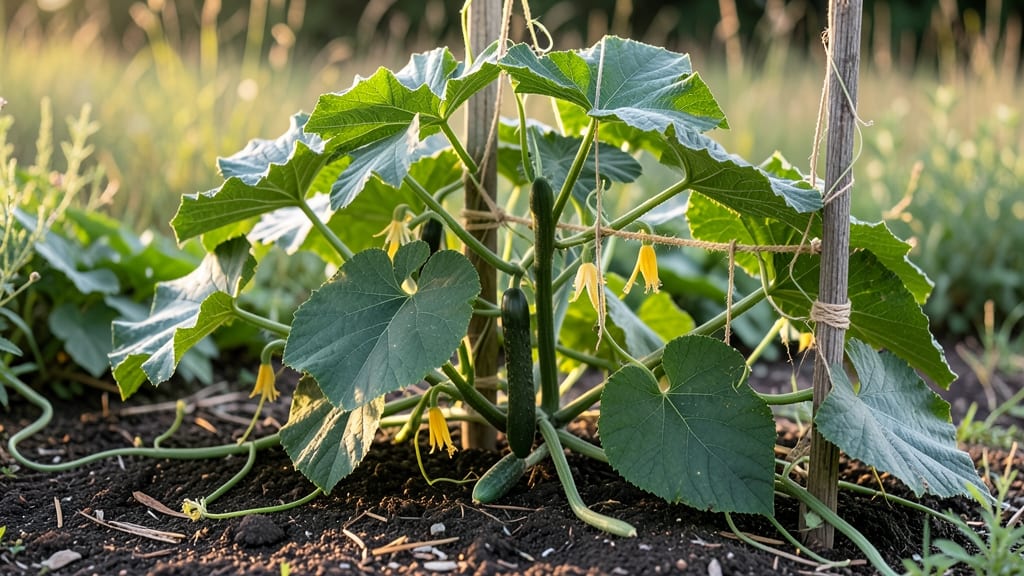
Caring for cucumbers turns your garden into a crisp, vine-covered treasure chest—if you nail the basics. 🌱 I’ve grown them for years, and the secret isn’t just water or soil, but timing: too much sun scorches leaves, too little water means bitter fruit, and skipping pruning means tangled messes.
The payoff? Bursting with fresh, sweet cucumbers by midsummer.
Start with well-draining soil (mix compost into the bed) and full sun (6+ hours daily). Trellises or cages save space and reduce disease, while consistent watering (1-2 inches per week) keeps vines happy.
The biggest mistake? Letting soil dry out—cucumbers wilt fast, and they never recover. Prune regularly to boost airflow and fruit production.
Pests like cucumber beetles and powdery mildew are the real villains, but neem oil and row covers keep them at bay. I’ve seen entire patches saved by a quick spray before beetles hatch.
Harvest when firm (6-8 inches long) to encourage more growth—wait too long, and they turn seedy and tough.
Works for containers too: just use a 5-gallon pot and a sturdy trellis. Whether you’re growing in the ground or on a balcony, these steps cut the guesswork. Ready to turn those vines into a harvest? Let’s get started.
📚 In This Guide
- What you need
- Instructions
- Tips and common mistakes
- Wrapping up and next steps
What you need
- ● Cucumber seeds or seedlings: Choose disease-resistant varieties like 'Straight Eight' or 'Lemon' (6–10 seeds or 3–5 seedlings, depending on space).
- ● Well-draining soil: A mix of 60% topsoil, 30% compost, and 10% perlite or sand (pH 6.0–6.8). For containers, use a 5-gallon pot or larger with drainage holes.
- ● Fertilizer: Balanced 10-10-10 or compost tea (apply at planting and mid-season).
- ● Watering can or hose with a gentle nozzle: Cucumbers need 1–2 inches of water weekly (drip irrigation is ideal).
- ● Mulch: Straw or black plastic (2–3 inches thick) to retain moisture and suppress weeds.
- ● Garden trowel or transplanting spade (for digging holes or containers).
- ● Pruning shears or scissors (to trim vines and remove yellow leaves).
- ○ Trellis, cage, or stakes (optional but recommended for vertical growth—4–6 ft tall).
- ● Gloves (to protect hands from prickly vines or soil).
- ● Spray bottle with neem oil or insecticidal soap (for pest control—1–2% concentration).
- ● Row covers or shade cloth (30–50% shade for hot climates).
- ● Soil moisture meter (to monitor watering needs).
- ● Companion plants like basil, marigolds, or radishes (to deter pests).
- ● Harvest basket or mesh bag (to prevent bruising cucumbers).
How to care for cucumbers: step-by-step vine management
Here's the straightforward approach I use to keep cucumber vines thriving all season long.
🌱 Step 1: Plant in Warm Soil and Full Sun
Cucumbers need soil temperatures above 60°F to germinate properly. I wait until after the last frost date in my area and plant seeds ½ inch deep in rows spaced 3-4 feet apart. If starting transplants, space them 2-3 feet apart in hills to improve drainage.
Choose a location with 6-8 hours of direct sunlight daily—partial shade leads to weak vines and poor fruit production. I always test the soil first; cucumbers prefer a pH between 6.0 and 6.8. Amend heavy clay soil with compost to improve aeration and water retention.
💧 Step 2: Water Deeply and Consistently
Water cucumbers 1-2 inches per week, keeping the soil evenly moist but never soggy. I use drip irrigation or soaker hoses to deliver water at the base of the plant, which prevents fungal diseases that spread through wet foliage. The key is consistency—fluctuating moisture causes blossom-end rot and bitter fruit.
Watch for wilting leaves in the afternoon—this is your signal to water immediately. Mulch with 2-3 inches of straw or grass clippings to retain moisture and suppress weeds. Avoid overhead watering, especially in the evening, as damp leaves invite powdery mildew.
☀️ Step 3: Train Vines and Provide Support
Cucumbers grow vigorously, so I install trellises or stakes at planting time to guide the vines upward. Use soft twine or garden fabric to gently tie the main stem to the support as it grows—never wrap tightly enough to restrict growth. This keeps fruit off the ground, reduces disease risk, and improves air circulation.
For bush varieties, simply mound soil around the base as the plant grows to encourage a fuller shape. Prune suckers (side shoots) that form in the leaf axils to direct energy into fruit production. I remove any leaves touching the soil to prevent rot and pests from taking hold.
✂️ Step 4: Fertilize and Monitor for Pests
Feed cucumbers with a balanced 10-10-10 fertilizer every 3-4 weeks starting when flowers appear. I switch to a low-nitrogen, high-phosphorus formula (like 5-10-10) when fruit begins to set to encourage stronger yields. Always water before fertilizing to prevent root burn.
Check the undersides of leaves regularly for aphids, cucumber beetles, or spider mites. I spray plants with neem oil at the first sign of pests—it's organic, effective, and won't harm beneficial insects. For severe infestations, I use row covers to protect young plants until they're established.
🌿 Step 5: Harvest at Peak Ripeness
Harvest cucumbers when they reach full size but before seeds turn hard—this ensures maximum crispness and flavor. I pick slicing cucumbers when 6-8 inches long, while pickling varieties are ready at 3-4 inches. Use sharp pruners to cut stems cleanly without damaging the vine.
Harvesting frequently encourages more production. I visit the garden every 2-3 days during peak season to stay on top of the harvest. Store cucumbers in the fridge for up to 7 days or use them immediately for the best texture and taste.
Tips & tricks for perfect cucumber vine care
Here's what nobody tells you about keeping cucumber plants thriving from seed to harvest.
Soil Temperature Secret: That 60°F minimum isn't just a number—it's the difference between germination and wasted seeds. I test soil temps with a cheap thermometer buried 2 inches deep. If it's cooler, cover seeds with black plastic for a few days to warm the soil faster. This is especially critical in spring when nights stay chilly.
Watering Wisdom: The 1-2 inches per week guideline assumes average rainfall—track your actual moisture by sticking your finger 1 inch into the soil. If it feels dry, water immediately. I set a rain gauge near my cucumbers to monitor exactly how much precipitation we're getting, adjusting my watering schedule accordingly. Overwatering is just as damaging as underwatering for these plants.
Support System: Don't wait until vines are sprawling to install trellises! Set up your trellises or stakes at planting time—even for bush varieties. This prevents root disturbance later and gives vines something to grab onto immediately. I use 4-foot tall stakes for slicing cucumbers since they grow so vigorously, while pickling varieties can handle slightly shorter supports.
Harvesting Hack: Those 2-3 day harvest intervals during peak season might seem frequent, but it pays off. I set a timer on my phone for every third day to remind me to check the vines. When you harvest regularly, the plant focuses energy on producing more fruit instead of letting cucumbers overmature and become bitter or seedy. Plus, frequent picking prevents pests from hiding in overripe fruit.
Pro Tips for Care For Cucumbers
- Here's what nobody tells you about keeping cucumber plants thriving from seed to harvest.
- Soil Temperature Secret: That 60°F minimum isn't just a number—it's the difference between germination and wasted seeds.
- Watering Wisdom: The 1-2 inches per week guideline assumes average rainfall—track your actual moisture by sticking your finger 1 inch into the soil.
Frequently asked questions
Got questions about growing and caring for cucumbers? You’re not alone—here are some of the most common concerns, answered in a flash!
How often should I water cucumber plants?
Cucumbers need consistent moisture—about 1 to 2 inches of water per week, especially during flowering and fruiting. Water at the base of the plant (not the leaves) to prevent disease. Mulch helps retain moisture and keeps soil cool. Overwatering can cause rot, so always check the top inch of soil before watering again!
What are the best natural ways to keep pests away from cucumbers?
Pests like cucumber beetles and aphids can wreak havoc, but you don’t need chemicals! Try these natural fixes:
- Neem oil spray (deters beetles and soft-bodied pests)
- Row covers (lightweight fabric to block insects early on)
- Companion planting (marigolds, nasturtiums, or basil repel pests)
- Handpick pests (drop them in soapy water for a quick fix)
How long does it take for cucumbers to grow after planting?
After planting, cucumbers typically take 50–70 days to mature, depending on the variety. Bush varieties may fruit faster (45–55 days), while vining types can take longer. Watch for yellow flowers—they signal pollination and future cucumbers! If you’re growing in containers, choose compact varieties for quicker harvests.
Why are my cucumbers bitter? How can I fix it?
Bitter cucumbers usually mean overripe or stressed plants. Common causes:
- Too much sunlight (variegated varieties are more sensitive)
- Inconsistent watering (drought stress triggers bitterness)
- Harvesting too late (pick when 6–8 inches long for sweetness)
Can I grow cucumbers in containers? What’s the best setup?
Cucumbers thrive in containers if you choose the right setup:
- Container size: At least 5 gallons (bigger for vining types)
- Drainage: Use pots with holes + a saucer to catch excess water
- Variety: Opt for bush or compact vining types like ‘Bush Champion’
- Support: Add a trellis or cage to save space and improve air circulation
Wrapping up and next steps
Caring for cucumbers is all about consistency, patience, and a little green-thumb love—but the rewards are oh-so-sweet! 🌱 From choosing the right soil to mastering pest control and harvesting at peak freshness, every step ensures your vines thrive.
With these tips, you’ll enjoy crisp, homegrown cucumbers straight from your garden to your table.
Ready to level up your gardening game? Start by planning your next planting session—maybe even experiment with heirloom varieties or vertical growing for space-saving fun. Happy gardening! 🌟