
How To
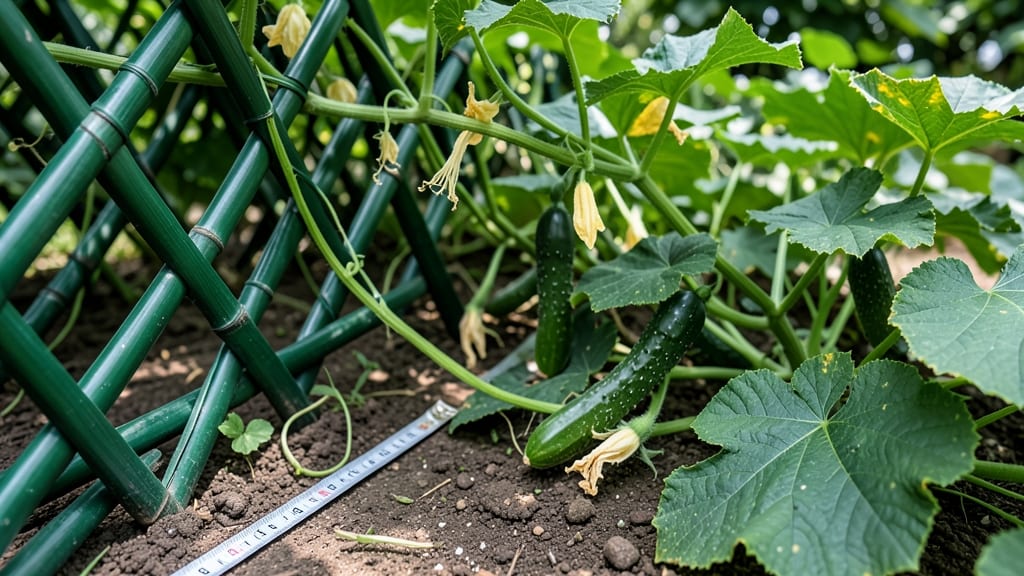
Cucumbers will grow between 3 feet and 20 feet tall, depending on whether you plant a compact bush variety or a sprawling vine type 🥒 — and that difference can change how you design your garden.
Picture this: one year, your cucumbers take over the patio, and the next, they barely clear the fence. The truth is, height isn’t just about space—it’s about the right variety, support, and even your local climate.
Without the right setup, you might end up with tangled vines or stunted plants, no matter how much you water them.
In this guide, we’ll break down the height ranges of popular cucumber types, from dwarf bush varieties to sky-high vining giants, and share the secrets to encouraging (or controlling) their growth.
Whether you’re working with a small balcony or a sprawling backyard, you’ll learn how to maximize your harvest without losing your sanity.
You’ll also discover how trellising, pruning, and spacing can turn a runaway vine into a tidy, productive plant—and which mistakes might be secretly holding your cucumbers back. Let’s get growing!


Cucumber growth heights by variety: trellis vs. bush types explained
When planning your garden layout, understanding cucumber growth heights is essential. Some varieties sprawl like wild vines while others stay compact—knowing the difference helps you maximize space and yield. Trellis cucumbers can reach 6-20 feet, while bush cucumbers stay between 3-6 feet.
Your garden’s design depends entirely on which type you choose!
Choosing the wrong variety can lead to crowded plants, poor airflow, or even stunted growth. Vining cucumbers need vertical support to thrive, while bush varieties grow in neat mounds. Let’s break down the key differences so you can pick the perfect fit for your space and growing style.
| Variety Type | Mature Height | Space Needs | Growth Habit | Best For |
|---|---|---|---|---|
| Trellis (Vining) | 6–20 ft | 2–3 ft apart, vertical support | Long, sprawling vines | Small gardens, vertical spaces |
| Bush (Compact) | 3–6 ft | 1–2 ft apart, no trellis | Bushy, self-contained plants | Containers, small plots, ground covers |
| Straight Eight | 10–15 ft | 2 ft apart, trellis required | Long, productive vines | Pickling, slicing, vertical gardens |
| Bush Champion | 3–4 ft | 1 ft apart, no support | Compact, bushy growth | Containers, small spaces |
| Marketmore 76 | 6–12 ft | 2 ft apart, trellis optional | Moderate vining | General-purpose slicing |
Popular trellis cucumbers like ‘Straight Eight’ can climb 10-15 feet if given proper support. These varieties are perfect for small gardens or urban spaces where vertical growth saves floor space. Without a trellis, these vines will sprawl, leading to tangled messes and reduced yields.
On the other hand, bush cucumbers like ‘Bush Champion’ stay under 4 feet tall and grow in neat, self-contained mounds. They’re ideal for containers, raised beds, or small plots where you don’t want sprawling vines. These varieties often produce smaller fruits but are easier to manage.
For moderate-height options, consider ‘Marketmore 76’, which grows 6-12 feet with minimal trellis support. This variety strikes a balance between bush and vining types, making it versatile for different garden setups. Always check seed packets for specific height ranges—some "bush" varieties may still need light support!
Your garden’s space constraints and growing goals will determine the best choice. Trellis cucumbers maximize vertical space but require more maintenance, while bush varieties offer low-maintenance convenience. Whichever you pick, ensure proper spacing and support to avoid overcrowding and disease.
Pro tip: If you love vertical gardening, try ‘Arkansas Little Leaf’, a compact vining type reaching 4-6 feet. It produces small, sweet fruits perfect for snacking while staying manageable in tight spaces. Always match your variety to your garden’s layout for the best results!
Remember, cucumber height isn’t just about space—it also affects fruit production. Tall vines can yield more cucumbers if properly supported, while bush types may produce fewer but easier-to-harvest fruits. Plan accordingly to enjoy a bountiful harvest without the hassle!
How to maximize cucumber growth without overcrowding your garden
If you've ever watched cucumber vines take over your garden like an unruly jungle, you know vertical growth is key to keeping things tidy. Without proper support, those 6-20 foot vines can sprawl everywhere, blocking sunlight and spreading disease.
The secret to happy cucumbers? Smart spacing and trellising techniques that encourage upward growth while preventing overcrowding.
Cucumbers thrive when they have room to stretch vertically rather than horizontally. A single vine can reach 10-20 feet if given the right support, but without it, they'll sprawl across 10+ square feet of garden space.
This sprawling habit leads to shaded leaves, poor airflow, and increased risk of fungal diseases like powdery mildew. The solution? Train your cucumbers to climb.
🌱 Key Strategies for Vertical Cucumber Growth
- 🪴 Install trellises early: Use 6-8 foot tall trellises made of bamboo stakes or metal cages to support vines before they get too heavy. Install within 1-2 weeks of planting.
- 🌿 Choose compact varieties: Opt for bush cucumbers (3-6 ft) like 'Bush Champion' or 'Spacemaster' if space is limited. These grow 3x shorter than standard vining types.
- ✂️ Prune strategically: Remove side shoots (suckers) growing below the main vine to redirect energy upward. Keep only the top 2-3 main stems for best results.
- ☀️ Space plants properly: Give vining types 3-5 feet between plants and 5-6 feet between rows. Bush varieties need only 2-3 feet of space.
- 💧 Water at the base: Always water near the roots to prevent wetting leaves, which reduces fungal risks. Use drip irrigation for consistent moisture without overhead spray.
Seasonal growth patterns also play a role in managing cucumber height. In warmer climates, vines grow aggressively from May through August, reaching their full height by mid-summer. In cooler regions, growth slows after July, and vines may only reach 6-10 feet unless extended into a greenhouse.
If you're in a short-season zone, choose early-maturing varieties like 'Straight Eight' (55 days) to maximize harvest before vines get too tall.
Climate affects vine length too—hot, dry conditions can stunt growth, while humid, warm weather encourages rapid climbing. In high-humidity areas, increase spacing to 6 feet between plants to improve airflow and reduce disease.
If you're in a container garden, use 5-gallon pots with trellises and limit to 1 plant per container to avoid overcrowding.
Don't forget that pruning isn't just about height control—it's also about fruit quality. When you remove lower leaves and weak shoots, you improve air circulation and sunlight penetration, which leads to fewer blemished cucumbers and higher yields.
Aim to prune weekly during peak growth (June-August) to keep vines manageable.
With the right trellising, spacing, and pruning, your cucumbers will grow tall and productive without taking over your garden. Plus, vertical growth makes harvesting easier and cleaner—no more bending over tangled vines!
Start with these tips, and you'll enjoy healthier plants and bigger harvests all season long. 🌿