
Vegetables
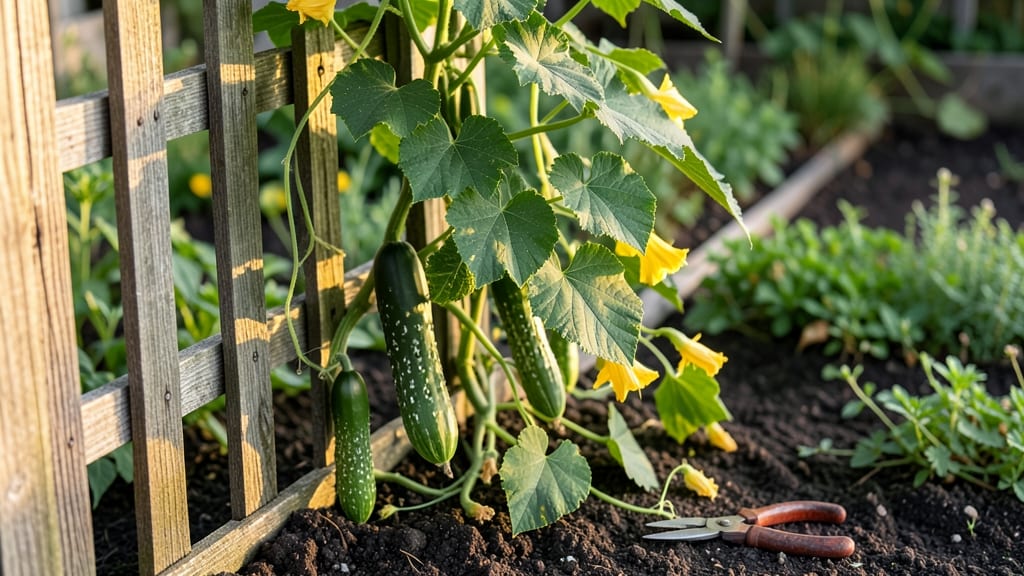
Nothing beats the satisfaction of biting into a home grown cucumber—crisp, vine-ripened slices straight from the garden just 55 days from seed to harvest. 🌱 I learned the hard way that skipping the trellis leads to sprawling vines and bitter fruit, but once I mastered pole training, my yield exploded.
The secret isn't complicated: warm soil, consistent water, and a little vertical space work magic together.
You'll need just three essentials: a sunny spot (at least 6 hours of direct sun), a sturdy trellis or fence, and well-draining soil mixed with compost. Cucumbers are heavy feeders, so don't skimp on the nutrients—think of it as giving them a vitamin boost for maximum growth.
The right variety matters too: bush types work in containers, but pole cucumbers climb like crazy and produce more fruit.
By mid-summer, you'll be harvesting 3-5 pounds per plant with minimal effort. The first cucumbers appear small and seedy, but they grow fast—check daily so they don't turn into oversized veggies. Pole-trained vines stay tidy, resist disease better, and make harvesting a breeze (no more bending over!).
This method works for small spaces, balconies, or full gardens—just adjust the trellis size. The only real mistake is waiting too long to plant; start seeds indoors 3-4 weeks before your last frost for the earliest harvest. Ready to grow your own crisp, homegrown cucumbers?
📚 In This Guide
- What you need
- Instructions
- Tips and common mistakes
- Wrapping up and next steps
What you need
- ● Cucumber Seeds: 3–5 pole-trained varieties (e.g., 'Straight Eight,' 'Marketmore,' or 'Arkansas Little Leaf'). Choose heirloom or hybrid seeds for best results.
- ● Growing Containers or Garden Space: Containers: 2–3 large pots (5+ gallons each) with drainage holes, or a 5-foot trellis or teepee structure for vertical growth.
- ● Garden Bed: A sunny spot (6+ hours of sunlight daily) with loose, well-draining soil (pH 6.0–6.8). Amend with compost if needed.
- ● Trellis or Support: A 5–6 foot tall trellis, fence, or sturdy stakes (bamboo or metal works well). Use soft garden twine or nylon stockings to tie vines gently.
- ● Soil Mix: A blend of 50% potting soil, 30% compost, and 20% perlite or vermiculite for containers. For garden beds, till in 2–3 inches of compost.
- ● Fertilizer: Balanced fertilizer (10-10-10) or compost tea to kickstart growth.
- ● Low-nitrogen fertilizer (5-10-10) once vines start flowering (follow package instructions).
- ● Mulch: Straw or shredded leaves to retain moisture and suppress weeds.
- ● Gloves (to protect hands from thorns and soil).
- ● Hand Trowel or Transplanting Spade for planting seeds.
- ● Watering Can or Hose with Adjustable Nozzle (drip irrigation is ideal for consistency).
- ● Pruning Shears (to trim excess leaves or yellowing vines).
- ○ Row Cover or Shade Cloth (optional, for early planting in cool climates or to protect from pests).
- ● Harvest Basket or Clipper (for picking cucumbers without damaging vines).
- ○ Pest Control: Neem oil or insecticidal soap (optional, for organic pest management).
Instructions for growing pole-trained cucumbers in 55 days
Here's how to maximize your harvest with minimal space using proven pole-growing techniques.
🌱 Step 1: Select and Prepare Your Trellis System
Choose a sturdy 5-6 foot tall trellis or bamboo stakes spaced 3 feet apart for your four plants. I like to use 3-inch wide mesh netting stretched between posts—it gives vines plenty of grip while keeping fruit off the ground. Install your trellis in a location with full sun (6+ hours daily) and well-draining soil.
Before planting, loosen the soil to 12 inches deep and mix in 2-3 inches of compost. Cucumbers are heavy feeders, so this gives their roots the nutrients they'll need to support climbing vines and heavy fruit. Avoid fresh manure—it can burn tender roots. Work the compost into the top 6 inches only; deeper incorporation isn't necessary and can disrupt drainage.
🌿 Step 2: Plant Seeds or Transplants at Proper Spacing
For direct sowing, plant 2-3 seeds per hill (you'll thin later) at a depth of 1 inch, spacing hills 3 feet apart. If using transplants, dig holes to match the root ball depth and space them 2 feet apart. I always plant mine 1 week after your last frost date when soil reaches 60°F—cold soil delays germination and weakens seedlings.
After planting, water deeply to settle the soil and encourage root contact. Mulch around plants with 2-3 inches of straw to retain moisture and prevent soil-borne diseases from splashing onto leaves. Watch for first true leaves (the second set after the initial seed leaves) before thinning seedlings. Gently snip unwanted plants at soil level with clean scissors—don't pull, or you'll disturb roots.
☀️ Step 3: Train Vines and Maintain Consistent Care
As vines reach 12 inches tall, gently weave them through the trellis mesh or tie them to stakes with soft plant ties. Avoid tight binding—vines should have room to grow. Cucumbers grow 2-3 feet per week in ideal conditions, so check your trellis weekly for vines that need redirecting. Prune side shoots that form below the first 18 inches of the main vine to concentrate energy on fruit production.
Water deeply 2-3 times per week, aiming for 1-1.5 inches of water total. The key is consistency—let the top 2 inches of soil dry between waterings to prevent blossom-end rot. I water in the early morning to reduce disease risk. Fertilize when vines start climbing with a balanced 10-10-10 formula, applying ½ teaspoon per plant every 2 weeks until fruit sets.
⏰ Step 4: Harvest at Peak Ripeness for Continuous Production
Harvest begins 55-60 days after planting when cucumbers reach 6-8 inches long for slicing varieties. Check plants every 2-3 days—overripe cucumbers turn bitter and attract pests. Use pruning shears to cut stems, leaving ½ inch of stem attached to prevent disease entry. This encourages more flowers to develop, extending your harvest season.
For maximum yield, pick both male and female flowers—you'll know female flowers by the tiny cucumber forming at their base. Remove male flowers (no cucumber at base) unless you want to hand-pollinate for better fruit set in shady conditions. With proper care, a single trellis can produce 20-30 pounds of cucumbers over the season—enough for fresh eating, pickling, and sharing with neighbors.
Tips & tricks for perfect pole-trained cucumber growth
Here's what nobody tells you about getting that perfect vertical harvest—these tricks will transform your garden's productivity.
Trellis Stability: Don't skimp on your trellis setup! I've seen flimsy bamboo stakes topple under heavy cucumber loads. For maximum stability, anchor your trellis with 4-6 inch long rebar stakes driven into the ground at each corner. This prevents leaning and ensures your vines can climb without toppling. The 3-inch mesh netting is perfect for grip, but if using stakes, attach vines with soft plant ties every 12 inches to distribute weight evenly.
Soil Preparation Secret: The 12-inch deep loosening in Step 1 isn't just about aeration—it's about creating a root-friendly environment. After loosening, I press a 1-inch layer of coarse sand into the bottom 6 inches of the hole. This improves drainage for those heavy-feeding cucumber roots while preventing compaction. The 2-3 inches of compost should be mixed only into the top 6 inches, as deeper compost can create anaerobic pockets that harm roots.
Watering Wisdom: Those 2-3 deep waterings per week are non-negotiable, but timing matters more than you'd think. I use a rain gauge to track my 1-1.5 inches of water—if we get rainfall, I skip a watering day. The key is letting the top 2 inches dry between waterings; this prevents blossom-end rot while encouraging deep root growth. Watering in the early morning also prevents fungal diseases from thriving in damp foliage overnight.
Pruning Precision: When pruning side shoots below 18 inches, aim for clean cuts just above the leaf node where the shoot originates. I use sterilized pruning shears (dipped in rubbing alcohol) to prevent disease spread. This redirecting of energy to the main vine and fruit production can increase your yield by 30-40%—don't skip this step! The vines will grow 2-3 feet per week in ideal conditions, so weekly checks keep everything under control.
Pro Tips for Home Grown Cucumber
- Here's what nobody tells you about getting that perfect vertical harvest—these tricks will transform your garden's productivity.
- Trellis Stability: Don't skimp on your trellis setup!
- Soil Preparation Secret: The 12-inch deep loosening in Step 1 isn't just about aeration—it's about creating a root-friendly environment.
Frequently asked questions
Got questions about growing your own crisp, homegrown cucumbers? You’re not alone—here are answers to the most common ones!
When should I start harvesting my cucumbers?
Harvest when cucumbers are firm, bright green, and 6–8 inches long (or smaller for "baby" cucumbers). For slicing varieties, pick them young to avoid bitterness. Check vines every 2–3 days—consistent harvesting encourages more production!
Why are my cucumbers turning yellow or bitter?
Yellowing or bitter cucumbers often mean they’re overripe or stressed. Overcrowding, uneven watering, or extreme heat can trigger bitterness. Thin vines to improve airflow, water deeply (1–2 inches per week), and harvest early in the morning for the freshest flavor.
Can I grow cucumbers in containers or small spaces?
Pole-trained varieties (like those in this guide) are perfect for containers or vertical gardens. Use a 5-gallon pot or larger, ensure it has drainage, and train vines up a trellis or cage. Just give them full sun (6+ hours/day) and consistent moisture.
What if my cucumbers get powdery mildew?
Powdery mildew (white fuzzy spots) thrives in humid, shady conditions. Improve airflow by pruning leaves, water at the base (not overhead), and apply neem oil or baking soda spray (1 tsp baking soda + 1 quart water + a drop of dish soap). Resistant varieties like ‘Straight Eight’ can also help!
Can I save seeds from my homegrown cucumbers?
Yes, but only if you’re growing a heirloom or open-pollinated variety (avoid hybrids like ‘Marketmore’). Scoop out seeds from a ripe cucumber, rinse, dry, and store in a cool, dark place. Test a few seeds the next season to check viability!
Wrapping up and next steps
Growing your own cucumbers is a rewarding journey that delivers crisp, fresh produce in just 55 days—no fancy greenhouse needed! With the right pole-training techniques and a little patience, you’ll enjoy a bountiful harvest that’s far tastier and healthier than store-bought.
Whether you’re a beginner or a seasoned gardener, this method is your ticket to effortless abundance.
Ready to take the next step? Start small—pick a sunny spot, grab your seeds, and let nature do the rest! 🌱 Share your progress or tag us in your garden wins—we’d love to see your pole-trained cucumbers thrive!