
Picking
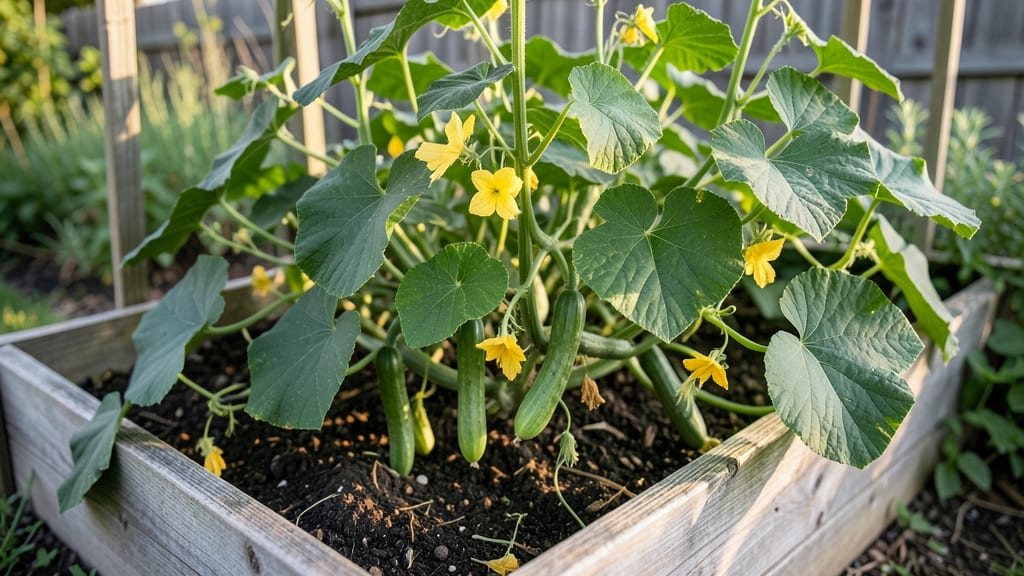
Growing gynoecious parthenocarpic cucumbers means crisp, seedless fruit in 55 days—no bees, no fuss, just endless harvests. 🌱 I tried them after years of struggling with bitter store-bought cucumbers and failed pollination in my greenhouse.
These varieties do all the work for you, producing female flowers exclusively and setting fruit without pollination. That means no waiting for bees, no dropped blossoms, and no seedy surprises in your salads.
The secret to success starts with warm soil and consistent moisture—these cucumbers thrive in full sun (6+ hours daily) and well-draining soil with a pH between 6.0 and 6.8.
Plant seeds ½ inch deep, spacing them 12–18 inches apart on a trellis to save space and improve air circulation. In cooler climates, wait until soil reaches 60°F before planting, or start indoors 3–4 weeks before your last frost.
The right spacing and support make all the difference—crowded plants lead to disease and poor fruit quality.
Once established, water deeply 1–2 times per week, keeping soil consistently moist but never soggy. A balanced fertilizer (like 10-10-10) at planting and again when vines start running encourages strong growth, but avoid over-fertilizing—too much nitrogen means leafy vines and few cucumbers.
Prune suckers (the little shoots in the leaf axils) to direct energy to fruit production, and watch for pests like cucumber beetles. A row cover early in the season can save your crop from these hungry invaders.
Harvest begins 55–60 days after planting, and the key is picking frequently—small, tender cucumbers taste best and encourage more production. Use pruning shears or a sharp knife to avoid damaging the vine, and store in the fridge for up to 5 days.
If you miss a harvest window, don’t worry: these cucumbers keep producing as long as conditions are right. The real magic? You’ll never need to worry about bees again, and every cucumber will be sweet, crisp, and seedless—just like the ones you dream about.
📚 In This Guide
- What you need
- Instructions
- Tips and common mistakes
- Wrapping up and next steps
What you need
- ● Seeds: 3–5 packets of gynoecious parthenocarpic cucumber seeds (e.g., ‘Diva,’ ‘Sweet Success,’ or ‘Parthenon’). Pro tip: Choose heirloom or organic for best flavor! 🌱
- ● Growing Containers or Raised Beds: 5-gallon pots (1 per plant) or
- ● Raised beds (minimum 12" deep, 4' x 8' for 4–6 plants)
- ● Potting Mix: 10–15 lbs of lightweight, well-draining mix (e.g., 60% compost, 30% coconut coir, 10% perlite). Avoid garden soil—it’s too dense! 🚫🌧️
- ● Trellis or Cage: 4–6 ft tall tomato cages or A-frame trellises (1 per plant). Vertical growth = happier plants + easier picking! 🪜
- ● Watering System: Drip irrigation kit or
- ● Watering can with a rose attachment (for precision)
- ● Fertilizer: Balanced liquid fertilizer (e.g., 10-10-10, diluted to half-strength) or
- ● Compost tea (for organic growers)
- ○ Pruning Shears: Small, sharp shears for trimming suckers (optional but helpful!).
- ● Mulch: Straw or black plastic to retain moisture and suppress weeds.
- ● Shade Cloth: 30–50% shade fabric for hot climates (prevents bolting!).
- ● Grow Lights: LED clips for seedlings (if starting indoors).
- ● Harvest Basket: A shallow, breathable basket to keep cucumbers off the ground.
Step-by-Step instructions for growing gynoecious parthenocarpic cucumbers
Here's how to coax those fast, seedless cucumbers from your plants—without relying on bees or complex pollination tricks.
🌱 Step 1: Start Seeds Indoors for Early Growth
Sow seeds 6-8 weeks before your last frost date in 2-3 inch deep biodegradable pots filled with seed-starting mix. These cucumbers need warmth to germinate, so place pots on a seedling heat mat set to 75-85°F. Keep the soil consistently moist—not soggy—until you see sprouts in 5-7 days.
Once seedlings emerge, move them to a south-facing window or under grow lights for 14-16 hours of light daily. You'll notice the first true leaves (smaller than cotyledons) appear in 7-10 days. This is your cue to harden off seedlings by gradually exposing them to outdoor conditions for 10-14 days before transplanting.
🪴 Step 2: Transplant Seedlings for Maximum Yield
Choose a sunny location with 6-8 hours of direct sunlight and well-draining soil. Space plants 12-18 inches apart in rows 3-4 feet apart to allow airflow. Transplant seedlings in the late afternoon to reduce shock, burying them slightly deeper than their original pots to encourage stronger root growth.
After transplanting, water deeply at the base to settle soil around roots. Mulch with 2-3 inches of straw to retain moisture and suppress weeds. Gynoecious varieties produce female flowers exclusively, so you won’t need to worry about pollination—just focus on keeping plants healthy and hydrated.
☀️ Step 3: Maintain Ideal Conditions for Fast Harvests
Water cucumbers deeply 1-2 times per week, ensuring top 2-3 inches of soil stay dry between waterings. Overwatering leads to blossom-end rot or powdery mildew, while underwatering causes bitter fruit. Use a drip irrigation system or water early in the morning to prevent fungal issues.
Fertilize with a balanced, water-soluble fertilizer (10-10-10) every 2-3 weeks once vines start climbing. You’ll see first female flowers appear in 4-5 weeks, followed by fruit in 55 days—no bees required. Prune side shoots to direct energy toward fruit production, and trellis vines to improve airflow and reduce disease risk.
✂️ Step 4: Harvest Seedless Cucumbers at Peak Ripeness
Pick cucumbers when they reach 6-8 inches long for optimal flavor and texture. Use pruning shears to cut stems cleanly, leaving a small portion attached to the vine. Harvesting frequently encourages more production—every 2-3 days during peak season. Store harvested cucumbers in the fridge for up to 5-7 days to maintain crispness.
Watch for yellowing leaves or powdery white spots—signs of common cucumber pests or diseases. Remove affected leaves immediately and treat with neem oil if needed. With proper care, a single plant yields 10-15 cucumbers over its 55-day growing cycle, making it one of the most efficient varieties for home gardens.
Tips & tricks for growing gynoecious parthenocarpic cucumbers
These pro-level techniques will help you maximize your seedless cucumber harvest—without needing bees or complex pollination tricks.
Germination Warmth: The 75-85°F heat mat requirement isn't just about speed—it's about consistency. I've found that maintaining this temperature range during germination prevents uneven sprouting. If your home stays cooler than 70°F at night, consider using a small greenhouse tent over your seed trays to create that microclimate. The difference between 50% and 90% germination rates comes down to those few degrees.
Lighting Strategy: Those 14-16 hours of daily light in Step 1 are non-negotiable for strong seedlings. I use a simple LED grow light on a timer rather than relying on windows—natural light varies too much. Place lights just 6-12 inches above seedlings to prevent legginess. You'll notice the first true leaves appear in 7-10 days as a clear sign your seedlings are getting exactly what they need.
Transplanting Timing: The late afternoon transplant window in Step 2 reduces shock by allowing plants to settle in before evening temperatures drop. I've learned to mark my calendar for this step—it's the difference between plants that thrive and ones that struggle for weeks to recover. Burying slightly deeper than the original pot encourages root expansion into the surrounding soil, which is especially important for these vigorous vining plants.
Watering Wisdom: The 1-2 times per week watering guideline assumes well-draining soil. I've had to adjust this in heavy clay soils by watering more frequently but more shallowly. The key is keeping those top 2-3 inches dry between waterings—this prevents both blossom-end rot and powdery mildew. A simple moisture meter makes this much easier to track than guessing by hand.
Pro Tips for Gynoecious Parthenocarpic Cucumbers
- These pro-level techniques will help you maximize your seedless cucumber harvest—without needing bees or complex pollination tricks.
- Germination Warmth: The 75-85°F heat mat requirement isn't just about speed—it's about consistency.
- Lighting Strategy: Those 14-16 hours of daily light in Step 1 are non-negotiable for strong seedlings.
Frequently asked questions
Got questions about growing gynoecious parthenocarpic cucumbers? You’re not alone! Here are answers to the most common concerns—so you can skip the guesswork and dive straight into your zero-bee, seedless harvest.
What’s the difference between gynoecious, parthenocarpic, and regular cucumbers?
Gynoecious
cucumbers produce mostly female flowers (so more fruit, less wasted energy). Parthenocarpic means they set fruit without pollination—no bees needed, and no seedy surprises. Regular cucumbers? They’re the opposite: often monoecious (male and female flowers) and need pollination for fruit. These hybrids combine both traits for effortless, consistent yields.
How long until I can harvest after planting?
Most gynoecious parthenocarpic varieties mature in 55–65 days from transplanting (or 60–70 days from seed). Start checking for fruit 8–10 days after flowering. Pro tip: Harvest when cucumbers are 6–8 inches long—they won’t get bitter or seedy like their pollinated cousins!
What if my cucumbers still have seeds or need bees?
If you’re getting seedy fruit, you might’ve accidentally planted a non-parthenocarpic variety or have male flowers sneaking in. Double-check your seed packet! For true parthenocarpic types, no bees = no seeds. If you’re still unsure, try ‘Diva,’ ‘Excelsior,’ or ‘Corinto’—they’re guaranteed seedless and bee-free.
Can I grow these in containers or small spaces?
These cucumbers thrive in 5-gallon containers or vertical trellises (they’re bushier than vining types). Just ensure pots have drainage holes and you’re using a lightweight potting mix. For small spaces, try ‘Sweet Success’—it’s compact and prolific. Bonus: Containers warm up faster in spring, giving you a head start!
Where can I buy gynoecious parthenocarpic cucumber seeds?
Look for seeds labeled “gynoecious” + “parthenocarpic” at:
- Online: Baker Creek Heirloom Seeds, Johnny’s Selected Seeds, or True Leaf Market.
- Local: Check seed swaps, garden centers, or extension offices—they often stock hybrid varieties.
Pro tip: If you can’t find them, ‘Suyo Long’ (a Japanese variety) is a close alternative—though it may need hand pollination.
Wrapping up and next steps
Gynoecious parthenocarpic cucumbers are a game-changer for fast, bee-free, and seedless harvests—perfect for small spaces, urban gardens, or anyone craving effortless freshness! 🌱 With just 55 days to your first crop, these cucumbers prove that high yields don’t require bees, pesticides, or endless patience.
Whether you’re a seasoned gardener or a curious beginner, this variety opens doors to reliable, low-maintenance growing.
Ready to dive in? Start by sourcing seeds or seedlings, then plan your space—your future harvest is just a few weeks away! 🌿 Review the essentials and get growing today.