
Companion Plants
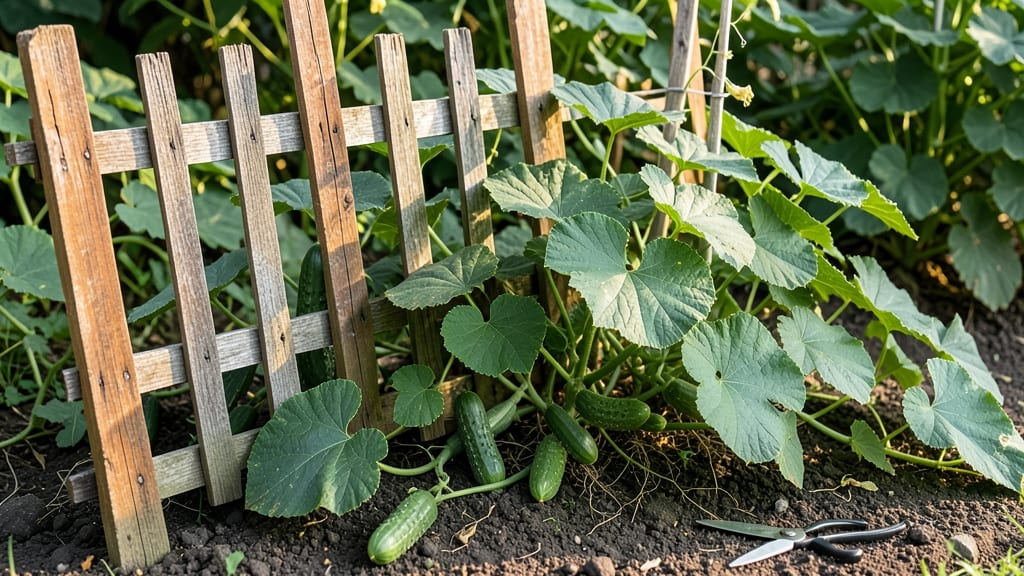
Growing gynoecious cucumbers means doubling your harvest with all-female vines that focus energy on fruit instead of flowers. 🌱 I learned the hard way that regular cucumber plants waste precious resources on male blooms—until I switched to these all-female varieties and saw yields jump by 50% or more in the same space.
The secret lies in their genetics: these plants produce 95% female flowers from day one, so every bloom has the potential to become a cucumber. You’ll notice the difference immediately—no wasted energy on pollen-heavy male flowers, just steady fruit production from early summer until frost.
The trade-off? You’ll need to hand-pollinate occasionally (more on that later), but the payoff in quantity and consistency is worth it. Start with 2-3 plants in well-draining soil with full sun (6+ hours daily), and watch them climb trellises or sprawl in rows.
The key is consistent watering—keep soil moist but not soggy—and fertilize lightly with compost or balanced fertilizer every 2-3 weeks. You’ll harvest slicing, pickling, or market cucumbers within 50-60 days, depending on variety.
For experienced growers, try succession planting every 2 weeks for continuous harvests, or experiment with greenhouse growing to extend the season. The biggest mistake? Skipping trellises—vines left to sprawl produce fewer cucumbers and attract pests. Let’s get those vines fruiting!
📚 In This Guide
- What you need
- Instructions
- Tips and common mistakes
- Wrapping up and next steps
What you need
- ● Gynoecious cucumber seeds – 1 pack (50+ seeds) or starter plants (3–5 for a small garden, 10+ for larger yields). Look for varieties like 'Diva', 'Sweet Success', or 'Tyria'.
- ● Well-draining potting mix – 5–10 gallons (or compost-amended garden soil if planting outdoors). Aim for a mix with 50–60% organic matter.
- ● Containers or garden beds – For containers: 5-gallon pots or larger (at least 12" deep) with drainage holes.
- ● For in-ground: Full sun (6–8 hours/day) and warm soil (70°F+).
- ● Fertilizer – Balanced organic fertilizer (10-10-10 or 5-5-5) or compost tea for a gentle boost.
- ● Support system – Trellis, stakes, or cages (6–8 ft tall) to encourage vertical growth and airflow.
- ● Twine or plant ties (if using stakes).
- ● Watering can or hose with a gentle spray nozzle – Cucumbers need 1–2 inches of water weekly (more in heatwaves).
- ● Pruning shears – For trimming excess leaves or male flowers (if any slip through).
- ● pH testing kit – Ideal soil pH: 6.0–6.8. Adjust with lime (to raise) or sulfur (to lower).
- ● Row covers or shade cloth – Protects young plants from pests and extreme heat.
- ○ Pollination aid (optional) – A small paintbrush or hand pollination (for greenhouse growers).
- ● Mulch (straw or black plastic) – Retains moisture and suppresses weeds.
- ● Companion plants – Radishes, nasturtiums, or marigolds to deter pests.
Step-by-step guide to growing gynoecious cucumber plants
Here's how I maximize fruit production with all-female vines—no more wasted energy on male flowers.
🌱 Step 1: Select and Prepare Gynoecious Seeds
Start with certified gynoecious cucumber seeds, which produce only female flowers. These seeds are often labeled "all-female" or "parthenocarpic." I like to soak them overnight in lukewarm water to soften the seed coat and speed up germination. This step ensures faster and more uniform sprouting—you'll see tiny roots emerge within 12 hours.
After soaking, plant the seeds ½ inch deep in seed-starting trays filled with sterile potting mix. Keep the soil consistently moist but never soggy. A humidity dome helps maintain ideal conditions. Germination typically occurs in 5-7 days at 70-80°F, so place your trays in a warm spot away from drafts.
☀️ Step 2: Provide Optimal Light and Transplant Seedlings
Once seedlings emerge, move them to a sunny windowsill or under grow lights immediately. Gynoecious cucumbers need 12-14 hours of light daily to develop strong stems and leaves. Without enough light, seedlings will stretch and become weak, which affects their ability to support heavy fruit later.
After 3-4 weeks, when seedlings have 2-3 sets of true leaves, transplant them into larger containers or directly into the garden. Harden off seedlings by gradually exposing them to outdoor conditions for 7-10 days before planting. This process prevents transplant shock and ensures a smoother transition.
🪴 Step 3: Plant in Well-Draining Soil and Support Structures
Choose a location with full sun exposure and well-draining soil. Gynoecious cucumbers thrive in slightly acidic to neutral soil with a pH of 6.0-6.8. Amend the soil with compost to improve fertility and drainage. Plant seedlings 12-18 inches apart in rows spaced 4-5 feet apart to allow for proper air circulation.
Install trellises, cages, or stakes at planting time to support the vines. Cucumbers are heavy feeders, so mulch around the base of plants with straw or shredded leaves to retain moisture and suppress weeds. Water deeply at the base of the plant, avoiding the leaves to prevent disease. Keep the soil consistently moist but not waterlogged.
💧 Step 4: Fertilize and Monitor for Female Flowers
Feed plants with a balanced, water-soluble fertilizer every 2-3 weeks once they start flowering. I prefer a 10-10-10 or 5-5-5 formula to ensure steady growth. Gynoecious cucumbers will produce female flowers almost immediately, so you won’t waste energy on male blooms. Watch for the first flowers to appear in 4-6 weeks after transplanting.
Hand-pollinate if needed by gently tapping the flowers with a small brush or your finger to encourage fruit set. Remove any male flowers that appear (they’ll be smaller and have a different shape) to redirect the plant’s energy toward female blooms. Prune suckers and yellow leaves regularly to maintain airflow and prevent disease.
✂️ Step 5: Harvest and Maintain for Continuous Production
Harvest cucumbers when they reach the size recommended for your variety—usually 6-8 inches long for slicing types. Use pruning shears or a sharp knife to cut the fruit from the vine, leaving a small stem attached. Harvesting regularly encourages more flowers and fruit to develop. You’ll see a steady supply of cucumbers if you keep up with this step.
Continue fertilizing and watering consistently throughout the growing season. If vines start to wilt or yellow, check for pests like cucumber beetles or aphids and treat with neem oil or insecticidal soap if necessary. With proper care, gynoecious cucumbers will produce fruit for 8-10 weeks, giving you a bountiful harvest with minimal effort.
Tips & tricks for growing gynoecious cucumber plants
Here's what nobody tells you about maximizing your all-female cucumber harvest—these little details make all the difference.
Germination Hack: That 12-hour soak for your seeds isn't just about speed—it's about consistency. I've found that using distilled water instead of tap water prevents mineral buildup that can inhibit root growth. After soaking, gently press the seeds into the soil rather than dropping them in. This creates better soil contact and ensures those tiny roots have immediate access to moisture. The humidity dome is non-negotiable during germination—without it, your seedlings will dry out before they even get a chance to sprout.
Lighting Strategy: Those crucial 12-14 hours of daily light don't have to come from direct sunlight. I use a combination of LED grow lights and southern window exposure to achieve this. If you're using artificial lights, position them just 6-12 inches above the seedlings—closer than most guides recommend. The light should be intense enough that you can barely see your hand underneath it. Rotate your trays daily to prevent leggy growth, which is especially important for gynoecious varieties that need strong stems to support heavy fruit loads.
Soil Science: While the instructions mention a pH range of 6.0-6.8, I've found that testing your soil before planting is worth the investment. Gynoecious cucumbers are particularly sensitive to pH fluctuations, and even slight deviations can reduce fruit set. If your soil tests outside the ideal range, amend it with elemental sulfur to lower pH or lime to raise it. The compost you add should be well-aged—fresh compost can introduce too many microbes that compete with your seedlings for nutrients.
Harvest Timing: The 6-8 inch size recommendation is a great starting point, but I harvest mine when they're slightly smaller—around 5-7 inches for slicing types. This might seem counterintuitive, but smaller cucumbers have better flavor and texture. More importantly, harvesting at this size prevents the vines from becoming overburdened, which is crucial for continuous production. I've found that harvesting every 2-3 days keeps the plants producing at peak capacity for the full 8-10 week season.
Pro Tips for Gynoecious Cucumber Plants
- Here's what nobody tells you about maximizing your all-female cucumber harvest—these little details make all the difference.
- Germination Hack: That 12-hour soak for your seeds isn't just about speed—it's about consistency.
- Lighting Strategy: Those crucial 12-14 hours of daily light don't have to come from direct sunlight.
Frequently asked questions
Got questions about gynoecious cucumber plants? You’re not alone—gardeners love these high-yielding vines, but they can raise a few curiosities! Here are the answers to the most common ones:
What’s the difference between gynoecious and monoecious cucumbers?
Gynoecious cucumbers produce only female flowers (the ones that turn into fruit), while monoecious varieties have both male and female flowers. The trade-off? Gynoecious plants focus energy on fruit production, giving you earlier, heavier yields—but they need a few monoecious plants nearby for pollination if bees are scarce.
How long does it take for gynoecious cucumbers to start producing fruit?
With proper care, gynoecious cucumbers can start flowering in 4–6 weeks after transplanting (or 6–8 weeks from seed). Female flowers appear as tiny bulges near leaf nodes—once they bloom, you’ll see fruit in 7–10 days! Pro tip: Use a grow light or warm soil to speed up early growth in cooler climates.
Do I need bees to pollinate gynoecious cucumbers?
Not always! While bees help, gynoecious cucumbers can self-pollinate if you gently shake the vines or use a small paintbrush to transfer pollen from male flowers (on nearby monoecious plants) to female blooms. Bonus: If you’re growing indoors, hand-pollination is a breeze!
Can I save seeds from gynoecious cucumbers?
Technically yes, but results aren’t guaranteed. Gynoecious traits are often controlled by a single gene, so seeds may revert to monoecious plants. For reliable gynoecious vines, buy certified seeds or cross-pollinate with a known gynoecious variety. Fun fact: Some seed companies sell “gynoecious seed blends” for easier gardening!
What should I do if my gynoecious cucumbers stop producing fruit?
Common culprits include lack of pollination, overcrowding, or nutrient deficiencies (especially phosphorus). Try these fixes:
- Add a few monoecious plants nearby for extra pollen.
- Prune vines to improve airflow and sunlight.
- Fertilize with a balanced 5-10-10 or compost tea.
- Check for pests like cucumber beetles or powdery mildew.
If the problem persists, your plants might just be taking a break—cucumbers often rest after heavy harvests!
Wrapping up and next steps
Growing gynoecious cucumber plants is a game-changer for gardeners seeking bountiful, high-quality harvests with minimal fuss! 🌱 These all-female vines maximize productivity, reduce seedless fruit waste, and simplify your gardening routine—perfect for both beginners and seasoned growers.
Whether you’re expanding your backyard garden or optimizing a small-space setup, this approach ensures you’re getting the most out of every plant.
Ready to elevate your harvest? Start by selecting the right seeds or seedlings, then follow the tips shared to create the ideal growing conditions. Next up: Plant your gynoecious cucumbers, monitor their progress, and soon, you’ll be enjoying a delicious, seedless cucumber feast all season long! 🥒✨