
Size
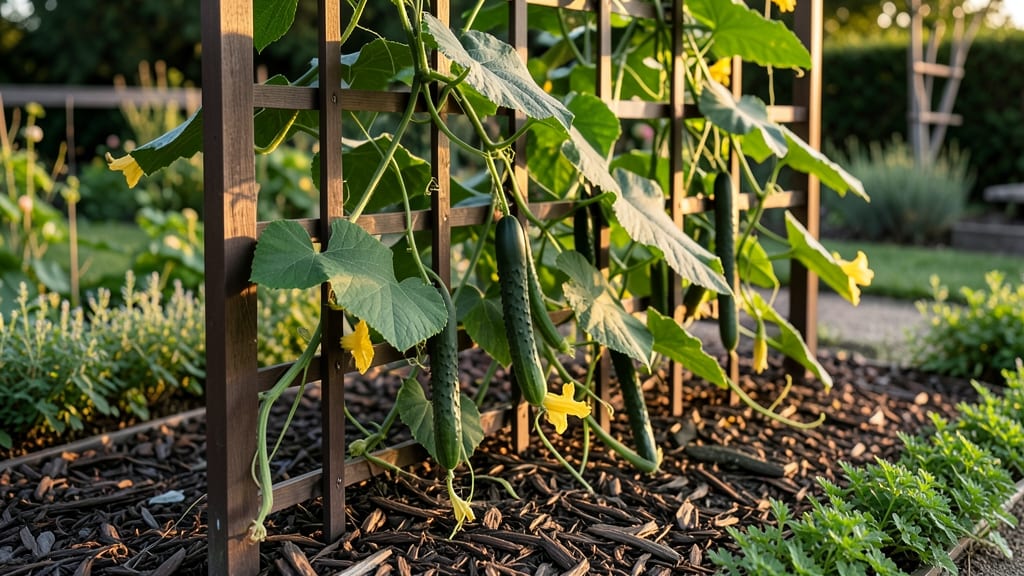
You can grow Japanese cucumber in just 55 days—no bitter aftertaste, no seedy surprises. 🌱 I planted my first batch last summer, and the difference from store-bought was shocking. These compact vines produce sweet, tender cucumbers perfect for snacking straight off the vine.
They thrive in partial shade (unlike their sun-loving cousins) and need minimal space—ideal for small gardens or containers. The key is rich, well-draining soil and consistent moisture, but they’re surprisingly low-maintenance for such prolific producers.
By mid-July, you’ll be harvesting 10-12 cucumbers per plant weekly, each with that signature crisp texture and mild flavor. The vines stay bushy and manageable, so trellising is optional but helps keep fruit clean and off the ground.
Works in zones 3-10, even in containers as small as 5-gallon pots. Here’s how to grow them without the usual cucumber headaches!
📚 In This Guide
- What you need
- Instructions
- Tips and common mistakes
- Wrapping up and next steps
What you need
- ● Japanese cucumber seeds (varieties like 'Suyo Long' or 'Suyo White'—choose parthenocarpic for seedless fruit!): Quantity: 3–5 seeds per plant (or 1–2 per cell in seed-starting trays)
- ● Specs: Fresh, non-GMO seeds (check seed packets for 55-day harvest guarantees)
- ● Growing containers or garden bed: Option 1: Containers (5+ gallons each; at least 12" deep)
- ● Option 2: Garden bed (full sun, 6+ hours/day; well-draining soil)
- ● Potting mix or garden soil: Quantity: 1–2 bags (sterile, moisture-retentive mix like Miracle-Gro or Fox Farm)
- ● Add compost (1 part compost to 3 parts soil) for nutrients
- ● Trellis or sturdy support (4–6 ft tall): Bamboo stakes, A-frame trellis, or cucumber netting (vines grow 6–10 ft!)
- ● Watering can or hose (with soaker hose attachment for deep watering)
- ● Fertilizer: Balanced 10-10-10 or fish emulsion (follow label for dilution)
- ○ Optional: Epsom salt (1 tbsp per gallon of water) for magnesium boost
- ● Seed-starting trays (if sowing indoors 3–4 weeks before last frost)
- ● Row covers (for frost protection in early spring)
- ● Pruning shears (to trim excess vines and encourage fruit production)
- ● Mulch (straw or shredded leaves to retain moisture)
- ● pH test kit (ideal soil pH: 6.0–6.8)
- ● Shade cloth (30–50% coverage if temps exceed 90°F)
Step-by-step instructions for growing Japanese cucumbers
Here’s the method I rely on to grow vigorous, productive Japanese cucumber vines that deliver sweet, seedless fruit in just 55 days.
🌱 Step 1: Start Seeds Indoors 4-6 Weeks Before Last Frost
Japanese cucumbers thrive when transplanted as sturdy seedlings, so begin indoors using biodegradable peat pots to avoid root disturbance. Fill pots with seed-starting mix and plant 2-3 seeds per pot at a depth of ½ inch. Press them gently into the soil—too deep delays germination.
Keep the soil consistently moist (not soggy) by covering pots with a humidity dome or plastic wrap. Place them in a warm spot—70-75°F—where they’ll germinate in 5-10 days. Once sprouts appear, remove the cover immediately to prevent damping-off. You’ll know they’re ready to harden off when seedlings develop 2-3 true leaves.
☀️ Step 2: Transplant Outdoors After Soil Warms to 60°F
Choose a location with full sun (6-8 hours daily) and well-draining soil. Japanese cucumbers love warmth, so wait until nighttime temperatures stay above 55°F. Space plants 12-18 inches apart in rows 3-4 feet apart—this gives vines room to sprawl without crowding.
Dig holes slightly larger than the peat pots and transplant carefully, burying stems up to the first set of leaves. This encourages stronger root growth. Water deeply right after planting to settle the soil and reduce transplant shock. Mulch with 2-3 inches of straw to retain moisture and suppress weeds.
💧 Step 3: Train Vines and Maintain Consistent Moisture
Japanese cucumbers grow as compact bushes, but their vines still need support. Install 3-foot-tall cages or trellises at planting time and gently weave vines through as they grow. This keeps fruit off the ground and improves airflow, reducing disease risk.
Water at the base of plants 1-2 inches per week, aiming for deep, infrequent watering rather than shallow daily sprinkles. Let the top inch of soil dry between waterings—consistent moisture prevents bitter fruit. Fertilize lightly with balanced organic fertilizer (10-10-10) at planting and again when vines start flowering.
✂️ Step 4: Prune and Harvest for Peak Flavor
Pinch off the first few flowers to encourage bushier growth, then let the rest develop. Once fruit appears, harvest when cucumbers reach 4-6 inches long—they’ll be sweetest and crispest at this size. Use pruners to cut stems cleanly, leaving a small portion attached to the vine.
Regular harvesting stimulates more production. If vines slow down in late summer, give them a final feeding with low-nitrogen fertilizer to extend the season. Watch for powdery mildew—if you spot white fuzz on leaves, treat immediately with neem oil or a fungicide to protect your crop.
Tips & tricks for perfect Japanese cucumber growth
Took me years of trial-and-error to master these secrets for growing Japanese cucumbers that actually deliver on their sweet, seedless promise.
Seed Starting: The 70-75°F germination temperature range is non-negotiable—any cooler and you'll wait forever for sprouts. I use a seedling heat mat under my trays to maintain this warmth consistently. For extra insurance, try soaking seeds in warm water for 4 hours before planting to jumpstart germination. The ½-inch depth is critical too—planting deeper creates weak stems that struggle to reach light.
Transplant Timing: Don't rush the 60°F soil temperature requirement—cold soil shocks roots and stunts growth. I test soil temp with a thermometer at dusk, since that's when roots are most active. The 12-18 inch spacing might seem generous, but crowded plants develop powdery mildew faster. Burying stems up to the first leaves actually encourages stronger root systems, not just more foliage.
Watering Wisdom: The 1-2 inch weekly watering guideline works best when you measure it with a rain gauge. I water in the early morning so leaves dry quickly—this prevents fungal diseases that thrive in damp foliage. For containers, you'll need to water more frequently, sometimes daily in hot weather. The top inch drying between waterings is your moisture cue, not a schedule.
Harvest Hack: Those 4-6 inch cucumbers are sweetest when harvested in the morning after the dew has evaporated. I use clean pruners to cut stems cleanly, leaving a small portion attached—this prevents disease entry points. Harvesting every 2-3 days actually stimulates more production, not less. And yes, you can eat the tiny cucumbers—they're delicious in salads!
Pro Tips for Grow Japanese Cucumber
- Took me years of trial-and-error to master these secrets for growing Japanese cucumbers that actually deliver on their sweet, seedless promise.
- Seed Starting: The 70-75°F germination temperature range is non-negotiable—any cooler and you'll wait forever for sprouts.
- Transplant Timing: Don't rush the 60°F soil temperature requirement—cold soil shocks roots and stunts growth.
Frequently asked questions
Got questions about growing your own Japanese cucumbers? You’re not alone! Here are some of the most common queries—plus quick, actionable answers to help you grow a thriving harvest.
How long does it take for Japanese cucumbers to grow from seed?
Japanese cucumbers are fast growers—expect seedling sprouts in 5–7 days and harvest-ready fruit in just 55 days (or less!). Start seeds indoors 3–4 weeks before the last frost or direct-sow after soil warms to 60°F+. Patience pays off with crisp, seedless pods in no time!
What’s the ideal temperature range for growing Japanese cucumbers?
These cucumbers love warmth—plant when nighttime temps stay above 55°F. Ideal daytime temps: 70–90°F. If nights dip below 50°F, use row covers or wait until soil is consistently warm. No frost tolerance! Cold snaps stunt growth or cause bitter fruit.
Can I grow Japanese cucumbers in containers, or do they need a garden?
Japanese cucumbers thrive in 5-gallon containers or larger (they’re compact and bushy). Use a well-draining potting mix and a trellis to save space. Just ensure the pot has drainage holes and you’re fertilizing regularly (they’re heavy feeders!). Bonus: Containers make them easier to protect from pests.
What are the most common pests for Japanese cucumbers, and how do I prevent them?
Watch for cucumber beetles, aphids, and spider mites. Prevent pests with:
- Row covers early in the season.
- Neem oil or insecticidal soap sprays.
- Interplanting with basil or marigolds (natural repellents).
- Remove yellowed leaves to reduce hiding spots.
Why aren’t my Japanese cucumbers producing fruit?
No fruit? Check these 3 common culprits:
Issue
Fix
Not enough pollination (they’re partially parthenocarpic but benefit from bees).
Hand-pollinate with a small paintbrush or plant bee-friendly flowers nearby.
Overcrowding (vines compete for nutrients).
Thin plants to 12–18 inches apart and prune excess leaves.
Nutrient deficiency (especially nitrogen or phosphorus).
Fertilize with a balanced 10-10-10 or compost tea every 2 weeks.
If the issue persists, check for stress signs (wilting, yellowing) and adjust watering or sunlight.
Wrapping up and next steps
Growing Japanese cucumbers is a rewarding journey that delivers fast, flavorful, and abundant harvests—often in just 55 days! With the right materials, a little patience, and these pro tips, you’ll enjoy crisp, seedless slices straight from your garden.
Whether you’re a beginner or a seasoned gardener, the key is consistency: water, prune, and pollinate like a pro, and you’ll be feasting on homegrown goodness in no time.
Ready to take the next step? Start small—plant a few vines in containers or a sunny patch—and let your green thumb shine! 🌱 Once you master the basics, experiment with varieties or even share your bounty with neighbors. Happy growing!