
Tools
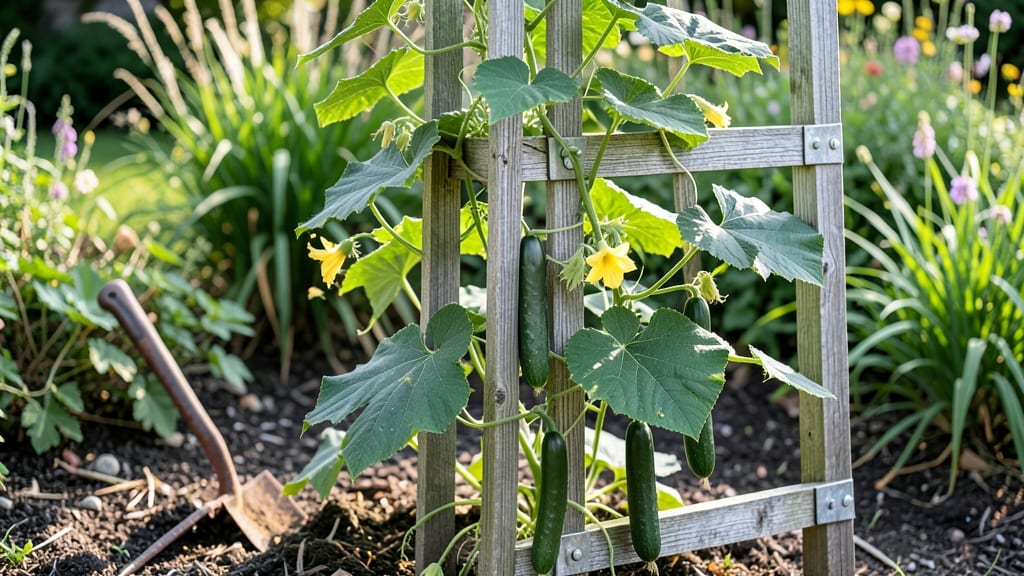
My garden trellis cucumbers transformed my tiny backyard into a vertical jungle of crisp, sweet vines—all without sacrificing a single square foot of lawn. 🌱 The right trellis doesn’t just save space; it turns floppy, sprawling cucumbers into structured, high-yielding plants that stay cleaner, grow faster, and produce longer.
Last summer, my A-frame trellis held 20 pounds of cucumbers in just 4 square feet of space—something impossible without vertical support. The best part? You don’t need fancy materials.
A simple 6-foot-tall A-frame made from cedar stakes and twine works perfectly, or go for a fan trellis if you want that classic vineyard look. String trellises are the easiest for beginners, while DIY options let you customize height and width to fit your garden’s layout.
Just avoid cheap plastic—it warps under the weight of ripe fruit. What you’ll end up with is a neat, productive corner of your garden that’s easier to harvest, less prone to disease (thanks to better airflow), and way more impressive than the sprawling mess most cucumbers become.
Plus, the vertical growth means fewer weeds to pull and no cucumbers rotting on the ground. For those with limited space, trellises are the ultimate game-changer.
Whether you’re working with a balcony, a small patio, or just want to tidy up your plot, this method turns cucumbers from a space-hogging chore into a compact, high-reward feature. Ready to build yours?
📚 In This Guide
- What you need
- Instructions
- Tips and common mistakes
- Wrapping up and next steps
What you need
- ● Trellis Structure: 1–2 freestanding trellis frames (6–8 ft tall, 3–4 ft wide) or sturdy T-posts with wire/crossbars (spaced 3–4 ft apart).
- ○ Optional: Apex or obelisk trellis for a single plant (great for balconies!).
- ● Cucumber Seeds or Seedlings: 5–10 trellis-friendly varieties (e.g., 'Straight Eight,' 'Marketmore,' or 'Lemon Cucumber'). Avoid bush types!
- ● Soil & Fertilizer: 1 bag well-draining potting mix (or amend garden soil with compost).
- ● 1 cup balanced fertilizer (10-10-10) or compost per plant at planting time.
- ○ Optional: Slow-release fertilizer tabs for ongoing nutrients.
- ● Support & Accessories: Soft twine or plant ties (10–15 ft, ¼-inch wide) to secure vines.
- ● 1–2 garden stakes (6-inch) per plant for extra stability.
- ● 📅 Warm soil: Wait until nighttime temps stay above 55°F (13°C)—cucumbers hate cold!
- ● ☀️ Sunlight: Choose a spot with 6+ hours of direct sun daily.
- ● 💧 Water access: A drip irrigation system or hose for consistent moisture (trellised cucumbers dry out faster!).
- ○ Optional but helpful: A pruning shears for trimming and a spray bottle for dusting off pollen (if hand-pollinating).
How to train cucumbers on a trellis for maximum yield
Here's my foolproof method for transforming sprawling vines into vertical powerhouses—no wasted space, just endless harvests.
🪴 Step 1: Install the Trellis at the Right Time and Height
Set up your trellis 3-4 weeks before planting—this gives cucumbers time to establish roots before needing vertical support. I use a 6-foot tall wooden or metal trellis positioned where it gets full sun (6+ hours daily). The base should be staked firmly into the soil so it doesn’t wobble when vines climb.
Space trellises 3-4 feet apart to allow airflow between plants, which prevents fungal diseases like powdery mildew. If you're growing 4 plants total, two trellises work perfectly. Press the base stakes 6 inches deep and secure them with garden twine or bungee cords to the ground—this keeps them upright during storms.
🌱 Step 2: Plant Cucumbers Near the Trellis for Fast Climbing
Sow seeds 1 inch deep and 2 inches apart in a trench dug 6 inches deep along the trellis base. I plant mine in a slight curve, with the ends pointing toward the trellis—this encourages vines to naturally angle upward. Space rows 4 feet apart to give roots room to spread.
Use a soil thermometer to confirm soil is 60°F+ before planting. Cucumbers won’t germinate below this temperature. Water the trench thoroughly after planting to settle the soil around seeds. Once seedlings emerge, thin to 1 plant per foot along the trellis line—crowding leads to weak, disease-prone vines.
🌿 Step 3: Train Vines Early to Avoid Tangles
When vines reach 6 inches tall, gently tie the main stem to the trellis with soft garden twine or velcro plant ties. I loop the twine loosely—too tight cuts into tender stems. Let side shoots grow freely for now; they’ll produce flowers and fruit later. Watch for tendrils (spiral growths at leaf nodes)—these are nature’s grappling hooks.
As vines climb, guide them upward in a zigzag pattern. This spreads the weight and prevents the trellis from toppling. If a vine flops over, secure it immediately—even a few hours of sprawling can stress the plant. I check my trellises every 3 days during peak growth to retie any slipping vines.
✂️ Step 4: Prune Strategically for Airflow and Fruit Quality
Once vines hit the top of the trellis, pinch off the main stem to encourage bushier growth. This redirects energy to side shoots, which produce more female flowers (the ones that turn into fruit). Remove any suckers growing below the first flower cluster—these drain energy from fruit production.
Thin fruits to 6-8 inches apart when they’re 3-4 inches long. Overcrowded cucumbers compete for nutrients and stay small. I harvest every 2 days during peak season to keep plants productive. If a vine looks stressed (yellowing leaves, wilting), prune back by 1/3 to reduce strain.
💧 Step 5: Water and Feed for Vertical Growth
Water at the base deeply 2-3 times per week, aiming for 1-2 inches of moisture per week. Drip irrigation works best—it keeps leaves dry and prevents fungal diseases. I water in the early morning so foliage dries quickly. Avoid overhead sprinklers, which can spread mildew.
Fertilize with a balanced 10-10-10 mix when vines hit 3 feet tall, then switch to a low-nitrogen, high-potassium fertilizer (like 5-10-10) when flowers appear. This promotes fruiting over leafy growth. Mulch with 2 inches of straw to retain moisture and suppress weeds—this is non-negotiable in my garden.
Tips & tricks for pole-climbing cucumber success
Real talk: Trellising cucumbers transforms your garden from chaotic sprawl to organized abundance. Here's what nobody tells you about making it work like a pro.
Timing is Everything: That 3-4 week trellis installation window before planting isn't arbitrary—it gives cucumber roots time to establish before they need vertical support. I've learned the hard way that rushing this step leads to weak vines that can't handle the weight of climbing. Think of it like giving your cucumbers a gym membership before they start lifting weights.
The Right Support Structure: A 6-foot tall trellis isn't just about height—it's about creating a stable framework that won't collapse under the weight of vines and fruit. I recommend using wooden or metal trellises because they're durable, but avoid plastic ones that can warp in summer heat. For extra stability, especially in windy areas, add diagonal cross-bracing between your trellises.
Pruning Secrets: When you reach Step 4 and pinch off the main stem at the top, you're not just encouraging bushier growth—you're creating a plant that will produce more female flowers (the ones that turn into fruit). Here's my game-changer: I also remove any suckers growing below the first flower cluster. These little side shoots might look harmless, but they're energy vampires that drain nutrients from your cucumbers.
Watering Wisdom: That 2-3 times per week watering schedule is crucial, but timing matters just as much. I water my cucumbers in the early morning because it gives the leaves time to dry completely before nightfall. Wet foliage at night is an open invitation for fungal diseases like powdery mildew. And here's the thing about mulch—those 2 inches of straw aren't just for looks. They create a moisture barrier that keeps your soil consistently damp without waterlogging.
Pro Tips for Garden Trellis Cucumbers
- Real talk: Trellising cucumbers transforms your garden from chaotic sprawl to organized abundance.
- Timing is Everything: That 3-4 week trellis installation window before planting isn't arbitrary—it gives cucumber roots time to establish before they need vertical support.
- The Right Support Structure: A 6-foot tall trellis isn't just about height—it's about creating a stable framework that won't collapse under the weight of vines and fruit.
Frequently asked questions
Got questions about growing cucumbers on a trellis? You’re not alone! Here are answers to the most common queries to help you cultivate a thriving vertical garden.
How tall should my trellis be for cucumbers?
A trellis for cucumbers should ideally be 6–10 feet tall to support their vines as they climb. Bush varieties may only need 4–5 feet, but vining types (like ‘Straight Eight’ or ‘Marketmore’) will stretch taller. Use sturdy materials like metal, wood, or heavy-duty plastic to avoid sagging under weight.
When is the best time to plant cucumbers on a trellis?
Plant cucumbers after the last frost when soil temps reach 60°F+ (usually late spring). Start seeds indoors 2–3 weeks earlier if your growing season is short. Trellising begins once vines are 3–4 inches long—gently weave them through the structure to encourage upward growth.
Can I use a trellis for other vegetables besides cucumbers?
Trellises work well for beans, peas, tomatoes, melons, and even some squash. However, avoid heavy fruits like watermelons—they’ll weigh down the structure. For cucumbers specifically, opt for open-grid designs to prevent rot from trapped moisture.
Why are my trellis cucumbers wilting or turning yellow?
Wilting or yellowing leaves often signal underwatering, overwatering, or pests. Check soil moisture (1 inch of water weekly) and inspect for aphids or cucumber beetles. Prune damaged leaves and apply neem oil if needed. If vines are too heavy, thin them or add support ties.
How do I clean and reuse a trellis for next year?
Disassemble and scrub the trellis with soapy water to remove debris. For wooden trellises, apply a vinegar rinse to kill mold. Store in a dry place to prevent rust (metal) or rot (wood). Replace any broken parts before replanting—fresh starts = fewer pests!
Wrapping up and next steps
Growing cucumbers on a trellis isn’t just smart—it’s a game-changer for small gardens! 🌱 With vertical space, you’ll enjoy healthier plants, easier harvesting, and fewer pests, all while maximizing your yard’s potential. Whether you’re a beginner or a seasoned gardener, this method makes abundance effortless.
Ready to transform your garden? Start small—pick a sunny spot, gather your supplies, and let those vines climb! Your future self (and your taste buds) will thank you. Happy gardening! 🌿