
Tools
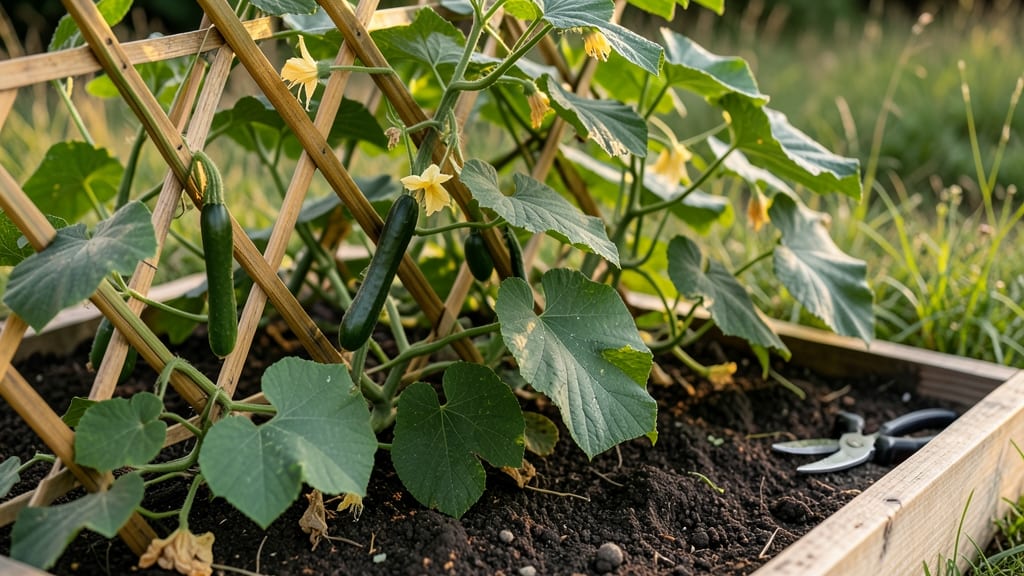
Burpless cucumbers need a trellis to thrive in most gardens, especially if you’re growing the vining varieties that can sprawl up to 12 feet tall 🥒.
Picture this: your backyard bursting with bushy vines tangled in the soil, fruits rotting from mildew, or your small-space garden looking like a jungle. A trellis isn’t just about aesthetics—it’s about healthier plants, cleaner harvests, and saving space. But here’s the catch: not all burpless cucumbers are created equal.
Some compact varieties, like ‘Bush Champion,’ barely need support, while others, like ‘Straight Eight,’ will flop without it. I’ll break down the differences, when to skip the trellis, and how to set one up in 3 simple steps—even if you’re working with limited room.
Ready to grow burpless cucumbers that stay tidy, productive, and pest-free? Let’s dive into the best ways to support them, whether you’ve got a sprawling plot or a tiny balcony.
Burpless cucumber growth habits: bush vs. vine varieties and trellis needs
Burpless cucumbers come in two main growth habits: bush varieties and vining varieties, each with distinct trellis needs. The bush types like 'Bush Champion' stay compact at 3-4 feet tall, while vining varieties such as 'Straight Eight' can sprawl 6-12 feet without support.
Your choice between these determines whether you’ll need a trellis—or if you can skip it entirely.
Bush cucumbers grow in compact mounds, making them ideal for containers or small gardens. Their shallow root systems and self-supporting stems mean they rarely need trellises, though a small stake can help with airflow.
Vining cucumbers, however, are aggressive climbers that benefit from vertical support to prevent disease and maximize yield.
Here’s the key difference: Bush varieties thrive without trellises, while vining types often require them for healthy growth. The right trellis can also improve fruit quality by reducing soil-borne diseases and increasing airflow around the plants.
Comparison Table: Bush vs. Vine Burpless Cucumbers
For bush cucumbers, the lack of a trellis means less maintenance but potentially lower yields. Their shorter vines produce fruit closer to the ground, which can lead to soil-borne diseases if humidity is high. A small stake or cage can still improve airflow and make harvesting easier.
Vining cucumbers, however, flourish with trellis support. Their longer stems produce more fruit, but without support, they sprawl across the soil, increasing the risk of powdery mildew and cucumber beetles. A strong trellis keeps vines elevated, improving fruit quality and disease resistance.
If you’re growing in containers, bush varieties are your best bet—they fit easily in 5-gallon pots with minimal support. Vining types need larger containers (10+ gallons) and vertical support to thrive. Always ensure your trellis is sturdy enough to hold 3-4 pounds of cucumbers per vine.
Another factor is plant density. Bush cucumbers can be spaced 12-18 inches apart, while vining types need 3-4 feet between plants to avoid overcrowding. Proper spacing reduces competition for nutrients and water, ensuring healthier plants and better yields.
For small gardens, bush varieties are ideal—they save space and reduce the need for trellises. But if you have vertical space, vining cucumbers can produce 2-3 times more fruit when given proper support. Choose a trellis height of 6-8 feet to accommodate mature vines.
One common mistake is assuming all burpless cucumbers need trellises. Bush types like 'Diva' or 'Bush Champion' grow beautifully without them, while vining types like 'Sweet Success' or 'Marketmore' will struggle without support. Always check the seed packet or plant tag for specific growth habits.
Whether you trellis or not, consistent watering and regular harvesting are critical. Bush cucumbers benefit from mulching to retain moisture, while vining types need deep watering to support their extensive root systems. Both thrive in well-draining soil with a pH of 6.0-6.8.
🌱
When to trellis burpless cucumbers: 5 key scenarios for support
Deciding whether to trellis your burpless cucumbers depends entirely on your growing conditions and goals. While these cucumbers are bred to be less prone to bitterness, they still benefit from support in certain situations. The key is understanding when vertical growth improves yield, health, or space efficiency—and when it’s optional.
If you’re working with limited garden space, a trellis isn’t just helpful—it’s essential. Without support, vines sprawl, competing for sunlight and nutrients, which can reduce fruit quality and quantity. Even bush varieties (like 'Bush Champion') may need light trellising to prevent overcrowding and improve airflow.
5 Scenarios Where Trellising Makes Sense
- 🌱 Scenario 1: Small Spaces (<5 ft² per plant)
- 🌿 Scenario 2: Disease-Prone Areas (high humidity or poor airflow)
- 🥒 Scenario 3: Vining Varieties (e.g., 'Straight Eight' or 'Diva')
- ☀️ Scenario 4: Full-Sun Locations (6+ hours direct sunlight)
- 🌡️ Scenario 5: Hot Climates (to prevent sunscald on fruits)
Pro Tip: Even bush types benefit from light trellising (e.g., small cages) if planted closer than 2 ft apart.
For container gardening, trellises are almost mandatory unless you’re using dwarf varieties. A 5-gallon pot with a single plant and a small trellis (like a tomato cage) can produce just as much as a sprawling vine in the ground.
The secret? Vertical training maximizes root access to water and nutrients.
If your goal is high-quality fruit, trellising wins again. Supported cucumbers develop straighter, cleaner skins with fewer blemishes, and they’re easier to harvest without damaging the plant. Plus, elevated fruits stay drier and less prone to rot—a game-changer in humid climates.
That said, you can skip trellises if you’re growing bush varieties in spacious beds (3+ ft spacing) with consistent moisture. Just monitor for overcrowding and thin seedlings early to avoid tangled vines.
For me, the decision hinges on space and variety—but I always err on the side of support for better yields.
Remember: Trellising isn’t optional if you want to prevent soil-borne diseases like powdery mildew. Elevated vines dry faster, reducing humidity at the plant base where fungi thrive. It’s a small effort for a big payoff in plant longevity and harvest size.