
Planting
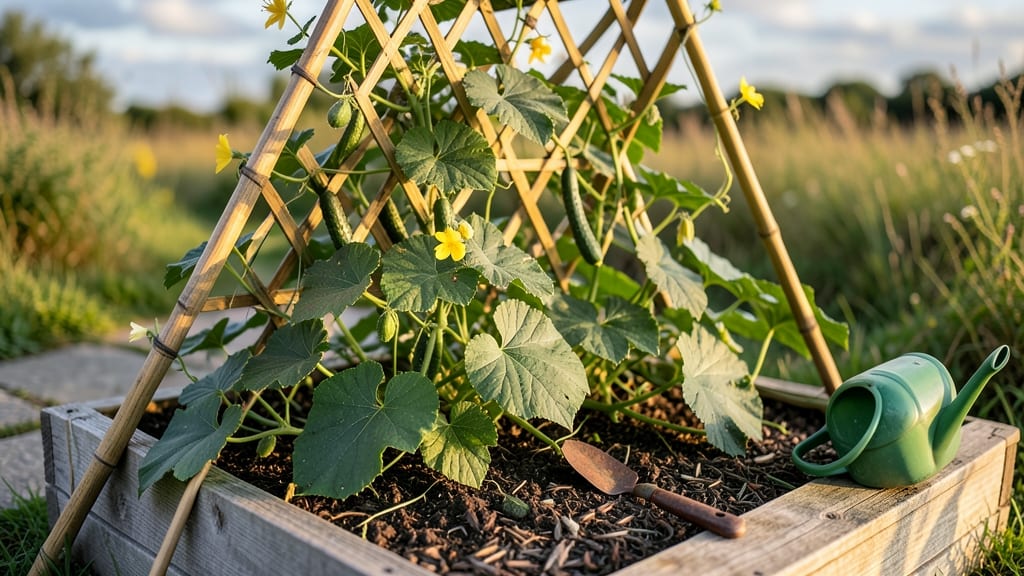
Direct sow cucumbers when soil hits 70°F—that’s the magic number for fast germination and vigorous vines that climb like crazy. 🌱 Honestly, I used to fuss with transplants, but direct sowing skips the shock and gives you hardier, faster-growing plants.
The secret? Warm soil, proper spacing, and a little patience—because cucumbers don’t like to be rushed.
You’ll need a sunny spot with 6+ hours of direct light, loose soil amended with compost, and seeds spaced 1-2 inches apart in rows 3-4 feet apart. Plant seeds 1 inch deep and thin seedlings to 12-24 inches apart once they sprout.
The key is keeping soil moist but not soggy—cucumbers hate drying out, and they’ll sulk if they’re too wet.
Within 5-10 days, you’ll see tiny shoots breaking through the soil, and by mid-summer, those vines will be sprawling or climbing with glossy leaves and fat little fruits.
The best part? No transplant shock, fewer pests, and cucumbers that taste sweeter because they grow exactly where you planted them.
Works best in zones 4-11 when nights stay above 55°F, but even cooler climates can try it with row covers. If germination stalls, check soil temp—cucumbers need warmth to wake up. Here’s how to make it foolproof the first time.
📚 In This Guide
- What you need
- Instructions
- Tips and common mistakes
- Wrapping up and next steps
What you need
- ● Cucumber Seeds: Choose heirloom or hybrid varieties suited to your climate (e.g., 'Straight Eight,' 'Lemon,' or 'Marketmore'). Buy 1–2 packets (50–100 seeds) for a small garden.
- ● Garden Space: Full sun (6–8+ hours/day).
- ● Well-draining, warm soil (60–90°F)—test with a soil thermometer!
- ● Space: 2–3 feet apart in rows 3–4 feet apart (or trellis for vertical growth).
- ● Soil Prep: Compost or aged manure (1–2 inches mixed into top 6 inches of soil).
- ● Balanced fertilizer (5-10-10 or organic options like fish emulsion).
- ● Planting Tools: Hand trowel or garden fork.
- ● Hoe or cultivator (for weeding).
- ● Watering can or hose with a gentle spray nozzle.
- ● Trellis or Cage: Save space and improve airflow with a 6–8 foot tall trellis or tomato cage.
- ● Mulch: Straw or black plastic to retain moisture and suppress weeds.
- ● Row Covers: Lightweight fabric to protect seedlings from pests or late frosts.
- ● Plant Markers: Labels or sticks to track varieties (especially useful if sowing multiple types!).
- ● Pruning Shears: For trimming vines to encourage bushier growth.
Step-by-Step guide for direct sowing cucumber seeds
Here’s how to get cucumbers growing strong from seed—no transplant shock, just vigorous vines ready to climb.
🌱 Step 1: Wait for Warm Soil and Plant at the Right Time
Cucumbers demand soil that’s at least 60°F—any cooler, and seeds rot before sprouting. I test soil temperature with a thermometer buried 2 inches deep for three days in a row. If your spring is unpredictable, use black plastic mulch a week before planting to warm the ground faster.
Plant after your last frost date when nighttime temps stay above 55°F. I’ve learned the hard way—rushing leads to weak seedlings that never recover. Wait until the soil feels warm to the touch, like a summer afternoon, before you even think about sowing.
🪴 Step 2: Prepare the Planting Site for Fast Germination
Choose a spot with full sun (6+ hours daily) and well-draining soil. Cucumbers hate soggy roots, so I work in 2 inches of compost to improve drainage and fertility. Rake the soil smooth and create shallow furrows ½ inch deep, spacing them 3 feet apart for easy trellising later.
Sow seeds 1 inch apart in each furrow, pressing lightly to ensure good soil contact. I like to plant 4 seeds per spot—germination rates vary, and having extras ensures at least two strong plants per location. Cover seeds with ¼ inch of soil and water gently with a spray bottle to avoid displacing them.
☀️ Step 3: Provide Moisture and Protection Until Germination
Keep the soil consistently moist but not waterlogged—cucumber seeds need 70-80°F soil to germinate in 5-10 days. I use a soaker hose to water deeply once a day, focusing on the furrows. Avoid overhead watering, which can wash seeds away or create mud that smothers sprouts.
Cover the row with row fabric or newspaper to retain warmth and moisture until germination. Remove the cover as soon as sprouts appear—waiting too long can trap heat and cause seedlings to overheat. You’ll know it’s time when tiny green hooks break through the soil, signaling the race to maturity has begun.
🌿 Step 4: Thin Seedlings and Train Vines Early
Once seedlings have 2 true leaves, thin to the strongest plant per 12-inch interval. Snip the weaker stems at soil level with clean scissors—yanking risks disturbing roots. I leave the strongest seedling in each spot, which should have a deep green color and sturdy stems.
Install a trellis or sturdy fence immediately—cucumbers grow fast, and vines left sprawling invite disease and pests. I use 4-foot tall tomato cages for bush varieties or 6-foot tall trellises for vining types. Train the main stem along the support, pinching off side shoots until the plant reaches the top. This ensures energy goes into fruit production, not endless sprawl.
✂️ Step 5: Maintain Through Fruit Set
Water at the base 1-2 inches per week, keeping soil evenly moist but never soggy. Cucumbers are thirsty but hate wet feet—mulch with straw to retain moisture and prevent soil-borne diseases. I fertilize lightly with balanced organic fertilizer (10-10-10) when flowers appear, following package rates.
Watch for cucumber beetles—those yellow-and-black striped pests chew leaves and spread bacterial wilt. I handpick them early in the morning when they’re sluggish or use row covers until flowers appear. Harvest fruits when they reach 6-8 inches long for peak flavor, picking consistently to encourage more production.
Tips & tricks for perfect direct-sown cucumber vines
These warm-soil secrets will help you bypass common pitfalls and grow cucumbers that thrive from the first sprout.
Soil Temperature is Non-Negotiable: That 60°F minimum isn't just a suggestion—it's the difference between rapid germination and weeks of waiting. I've seen seeds rot in cooler soil even when the air temperature felt warm. If your soil thermometer shows anything below 60°F in the morning, wait. The 70-80°F range during germination is where the magic happens—this is when seeds activate their enzymes and sprout fastest.
Germination Speed Secret: The 5-10 day window can feel like forever, but you can cut that time by half with a simple trick: soak seeds overnight before planting. Place them in a damp paper towel in a sealed container for 12 hours—this pre-hydration jumpstarts germination. Just don't skip the soil warmth requirement afterward, or you'll still face delays.
Thinning Technique That Saves Plants: When you're thinning to 12-inch intervals after the 2 true leaves stage, don't just pull—snip with clean scissors at soil level. This prevents disturbing the roots of your chosen seedlings. I've seen gardeners accidentally uproot their strongest plants while yanking weeds. Also, time your thinning for a cloudy day—the seedlings handle the stress better when they're not wilting in direct sun.
Pest Prevention Starts Now: Those cucumber beetles? They'll find your plants within days if you don't act. While you're installing your trellis in Step 4, drape lightweight row covers over the entire planting area until flowers appear. The covers block beetles completely while still allowing sunlight and water through. Remove them only when you see the first male flowers—this gives the beetles no chance to lay eggs before your plants develop their own defenses.
Pro Tips for Direct Sow Cucumbers
- These warm-soil secrets will help you bypass common pitfalls and grow cucumbers that thrive from the first sprout.
- Soil Temperature is Non-Negotiable: That 60°F minimum isn't just a suggestion—it's the difference between rapid germination and weeks of waiting.
- Germination Speed Secret: The 5-10 day window can feel like forever, but you can cut that time by half with a simple trick: soak seeds overnight before planting.
Frequently asked questions
Got questions about direct-sowing cucumbers? You’re not alone! Here are answers to the most common concerns—from timing to troubleshooting—to help you grow like a pro.
When is the best time to direct sow cucumbers?
Wait until the soil is consistently 60°F+ (test with a thermometer!) and all frost risk has passed. In most regions, this means 2–4 weeks after your last frost date. For warm climates, sow in early spring or fall to avoid summer heat stress.
Can I direct sow cucumbers in containers or small spaces?
Choose bush varieties (like ‘Bush Champion’) or train vining types on a trellis. Use containers at least 12–18 inches deep with well-draining soil. Just ensure they get 6+ hours of sun and consistent moisture.
What’s the fastest way to prevent pests like cucumber beetles?
Start with row covers (remove when flowers appear for pollination). Plant radishes or nasturtiums nearby as trap crops. Avoid overhead watering (beetles love damp foliage), and handpick adults early in the morning.
How long does it take for cucumbers to grow after direct sowing?
Germination takes 5–10 days in warm soil, but harvest-ready fruit appears in 50–70 days for slicing types or 45–55 days for pickling varieties. Thin seedlings to 12–24 inches apart (check seed packet) for best airflow and yield.
What can I plant with cucumbers to improve growth?
Cucumbers thrive with companion plants like:
- Beans or peas (fix nitrogen in the soil)
- Dill or fennel (attracts pollinators)
- Marigolds (repels pests naturally)
Wrapping up and next steps
Direct sowing cucumbers is your ticket to vibrant, homegrown vines—no fuss, just flavor! By following these warm-soil secrets, you’ll skip the transplant shock and enjoy a bountiful harvest straight from your garden.
Whether you’re a beginner or a seasoned gardener, the key is patience, proper spacing, and a little TLC as those seedlings pop up.
Ready to crunch into success? Grab your gloves, mark your calendar, and start planting! Next up: Watch those cucumbers climb, and soon you’ll be feasting on crisp, sun-ripened slices all summer long. 🌱✨