
Size
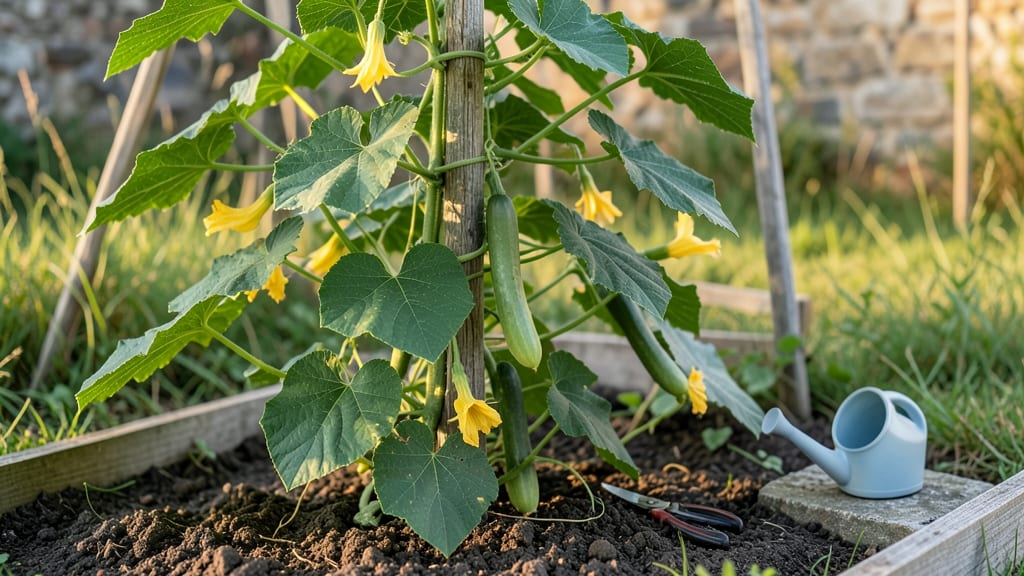
Growing cucumbers starts with the right varieties—especially for small spaces. 🌱 I learned the hard way that bush cucumbers can sprawl, but vining types like 'Straight Eight' or 'Marketmore' thrive on trellises, saving space and keeping fruit cleaner. The secret? Choose varieties bred for vertical growth, and your garden becomes a productive vertical jungle instead of a tangled mess.
You’ll need well-draining soil, a sunny spot (at least 6-8 hours of sunlight daily), and a sturdy trellis or fence for vining types. Start seeds indoors 3-4 weeks before last frost or plant seedlings after soil warms to 60°F.
Containers work too—just use 5-gallon pots for each plant and a strong support system. Water consistently (1-2 inches per week) and keep soil moist but not soggy—wilting is a common early sign of thirst.
By midsummer, you’ll be harvesting crisp, straight cucumbers that taste fresher than anything from the store. Prune regularly to encourage airflow and remove yellowed leaves, and watch for pests like cucumber beetles—handpick them early to avoid damage. The payoff? A steady harvest for weeks with minimal garden footprint.
Works for balconies, small yards, or even windowsills with the right setup. Here’s how to avoid the most common pitfalls and keep your cucumbers thriving all season.
📚 In This Guide
- What you need
- Instructions
- Tips and common mistakes
- Wrapping up and next steps
What you need
- ● Cucumber Seeds or Seedlings: Choose pole-friendly varieties like 'Straight Eight,' 'Marketmore 76,' or 'Arkansas Little Leaf' (3–5 plants per trellis).
- ● For seedlings: 3–6 healthy starts (check for sturdy stems and vibrant leaves).
- ● Trellis or Support Structure: 1–2 strong trellises (6–8 ft tall, e.g., A-frame, netting, or bamboo stakes).
- ○ Optional: String or twine to secure vines (if using a DIY trellis).
- ● Growing Medium: 5–10 gallons of well-draining potting mix (or garden soil amended with compost).
- ● For containers: At least a 12-inch-deep pot per plant (larger = happier cucumbers!).
- ● Fertilizer: Balanced organic fertilizer (e.g., 5-5-5 or compost tea) or slow-release granules.
- ○ Optional: Liquid kelp or fish emulsion for a growth boost.
- ● Watering Supplies: Watering can or hose with a gentle spray nozzle (cucumbers hate soggy feet!).
- ● Mulch: Straw or shredded leaves to retain moisture and suppress weeds.
- ● Pruning Shears: For trimming excess vines or yellow leaves.
- ● Row Covers: Lightweight fabric to protect seedlings from pests.
- ● pH Test Kit: Ensure soil pH is 6.0–6.8 (cucumbers love slightly acidic soil!).
How to select and grow pole-friendly cucumber varieties in small spaces
Here’s how I turn even the tiniest balcony into a high-yield cucumber patch—using the right varieties and a few clever techniques.
🌱 Step 1: Choose Compact, Pole-Friendly Varieties
Skip the sprawling slicing types and opt for bush or semi-bush cucumbers designed for trellises. My go-to varieties include ‘Straight Eight’ (classic pickling cucumber that thrives vertically), ‘Sweet Success’ (disease-resistant and prolific), and ‘Spacemaster’ (a true compact bush type that needs minimal support). These produce 12-18 inches long vines—perfect for 4-6 foot trellises—while yielding just as much as sprawling types.
Check seed packets for “bush,” “compact,” or “trellis” labels. Avoid heirlooms unless they’re specifically bred for vertical growth; many will flop over no matter how sturdy your support. I always cross-reference with my local climate zone to ensure the variety’s days to maturity align with my growing season. For example, ‘Sweet Success’ matures in 55-60 days, making it ideal for short-season areas.
☀️ Step 2: Set Up Support Structures Early
Install your trellis or cage before planting—cucumbers hate being transplanted, and their vines grow aggressively from day one. A 5-foot tall A-frame trellis or 5-foot tall tomato cage works perfectly for these compact varieties. I use galvanized wire mesh (like hardware cloth) for a lightweight, reusable option that vines cling to naturally.
Position the trellis in full sun (6+ hours daily) and ensure the soil around it is loose and well-draining. Cucumbers are heavy feeders, so I add a 2-inch layer of compost to the planting area before setting up the support. This prevents the trellis from sinking or tipping as the vines mature and bear fruit.
💧 Step 3: Plant Seeds or Transplants at the Right Time
Wait until soil temperatures reach 60°F—cold soil delays germination and invites rot. For seeds, plant ½ inch deep, 2-3 seeds per hill, spacing hills 12-18 inches apart. Thin to the strongest seedling after true leaves appear (about 10-14 days). If using transplants, harden them off for 5-7 days before setting out to avoid shock.
Mulch with straw or shredded leaves to retain moisture and suppress weeds. Cucumbers need 1-2 inches of water per week, but I water deeply at the base (not overhead) to prevent mildew. The key is consistency—let the soil dry slightly between waterings, but never to the point of wilting. You’ll know it’s right when the top inch feels dry to the touch but the roots stay moist.
🌿 Step 4: Train Vines and Prune for Airflow
As vines reach the trellis, gently weave them through the support (don’t force them—let them climb naturally). For bush types like ‘Spacemaster’, minimal pruning is needed, but I pinch off side shoots that grow below the first 6 inches of the vine to encourage upward growth. This redirects energy to fruit production.
Watch for yellowing leaves—a sign of powdery mildew, which thrives in humid, crowded conditions. Prune any infected foliage immediately and space plants slightly wider if needed. Healthy vines should have dark green, glossy leaves with no powdery residue. If mildew appears, I spray with a baking soda solution (1 tbsp per gallon of water) every 7-10 days as a preventative.
⏰ Step 5: Harvest Regularly to Encourage Production
Pick cucumbers every 2-3 days once they reach 6-8 inches long (check your variety’s ideal size). Overripe cucumbers turn seedy and bitter, signaling the plant to slow production. Use garden shears or sharp scissors to avoid damaging the vine, and harvest early in the morning when fruits are crispest.
For continuous harvests, I succession plant every 2 weeks in warm climates. Even with compact varieties, removing spent fruit keeps the plant focused on new growth. By late summer, I’ll have 4-6 pounds of cucumbers from just 4 plants—all thanks to the right trellis and a little pruning.
Tips & tricks for growing pole-friendly cucumbers
These game-changing strategies will help you maximize your small-space harvest while avoiding common pitfalls.
Variety Selection Strategy: When choosing between 'Straight Eight' and 'Sweet Success', consider your climate zone. 'Sweet Success' matures in 55-60 days, making it perfect for short-season areas where you need a quick harvest. For longer growing seasons, 'Straight Eight' produces consistently high yields for pickling, but requires slightly more attention to harvesting frequency. The key is matching the variety's days-to-maturity with your frost-free window—check your local USDA zone for precise timing.
Trellis Installation Pro Tip: I've learned the hard way that installing your 5-foot trellis before planting is non-negotiable. Cucumbers establish roots quickly, and transplanting them later can stunt growth. For balcony gardens, use lightweight materials like galvanized wire mesh that won't overwhelm your space. Position the trellis in full sun (6+ hours daily) and stake it firmly—nothing's worse than watching your cucumbers topple over just as they start producing. The 2-inch compost layer mentioned in Step 2 is especially crucial for container gardens where soil nutrients deplete faster.
Watering Wisdom: The 1-2 inches of water per week guideline works, but timing matters more than quantity. I water my cucumbers deeply at the base in the early morning to prevent mildew, letting the soil dry slightly between waterings. The top inch dry test is perfect, but I also check the weight of my containers—lighter pots signal it's time to water. For container growers, consider self-watering pots with a moisture meter to maintain consistent soil moisture without overwatering.
Pruning and Maintenance: When pruning side shoots below the first 6 inches of vine, use clean shears to avoid introducing diseases. I've found that removing yellowing leaves immediately prevents powdery mildew from spreading. For the baking soda solution, I mix it in a spray bottle and apply it to the undersides of leaves where mildew often starts. The 7-10 day interval works well, but if you notice new yellow spots, increase to every 5-7 days until the plant shows improvement. Healthy vines should have glossy, dark green leaves—this is your visual cue that everything's on track.
Pro Tips for Cucumbers To Grow
- These game-changing strategies will help you maximize your small-space harvest while avoiding common pitfalls.
- Variety Selection Strategy: When choosing between 'Straight Eight' and 'Sweet Success', consider your climate zone.
- Trellis Installation Pro Tip: I've learned the hard way that installing your 5-foot trellis before planting is non-negotiable.
Frequently asked questions
Got questions about growing cucumbers?
You’re not alone! Here are answers to the most common queries—whether you’re a first-time gardener or a seasoned green thumb looking to optimize your space.
How long does it take for cucumbers to grow from seed to harvest?
Most cucumber varieties take 50–70 days to mature after planting seeds. Pole-friendly giants like ‘Straight Eight’ or ‘Marketmore’ may lean toward the faster end (50–60 days), while heirlooms or bush types can take slightly longer. Start seeds indoors 4–6 weeks before the last frost for a head start!
What’s the ideal temperature for growing cucumbers?
Cucumbers thrive in warm soil (70–90°F) and air temperatures. Plant seeds only after the soil is at least 60°F—cold soil slows germination. If your climate cools at night, opt for heat-tolerant varieties like ‘Lemon Cucumber’ or use row covers to protect young plants.
Why are my cucumber leaves turning yellow, and how do I fix it?
Yellowing leaves often signal overwatering, nutrient deficiency (like nitrogen), or pests. Check the soil moisture—cucumbers need 1–2 inches of water weekly but hate soggy roots. For pests, inspect undersides of leaves for aphids or spider mites; spray with neem oil or introduce ladybugs. A balanced fertilizer (like 10-10-10) can also help.
Can I grow cucumbers in containers, and what’s the best setup?
Use a 5-gallon container or larger (bigger for vining varieties) with drainage holes. Fill with well-draining potting mix and place in full sun (6+ hours daily). Trellis or cage support is key—it saves space and improves airflow. Dwarf or bush types (like ‘Bush Champion’) work well in pots!
How do I know when cucumbers are ready to pick?
Harvest cucumbers when they’re firm, glossy, and 6–12 inches long (depending on the variety). For slicing types, pick when small and tender; pickling cucumbers should be 1–3 inches. Leave them on the vine too long, and they’ll turn bitter or seedy. Check daily—overripe cucumbers attract pests!
What can I do with cucumber vines after harvest?
Don’t toss those vines! Compost them (unless diseased) to enrich your soil. If pests were an issue, bag and discard them. For next year, rotate crops—cucumbers are part of the cucurbit family (like squash), so avoid planting them in the same spot annually to prevent soil-borne diseases.
Wrapping up and next steps
Growing cucumbers in compact spaces is easier than you think—especially with pole-friendly varieties that thrive vertically! Whether you’re a beginner or a seasoned gardener, these space-saving giants deliver fresh, crisp produce without sacrificing yield.
Start small, experiment with a few varieties, and watch your garden transform into a productive green oasis.
Ready to dive in? Pick your favorite variety, gather your supplies, and plant with confidence. Your next harvest is just vines away—let’s get growing! 🌱