
Vegetables
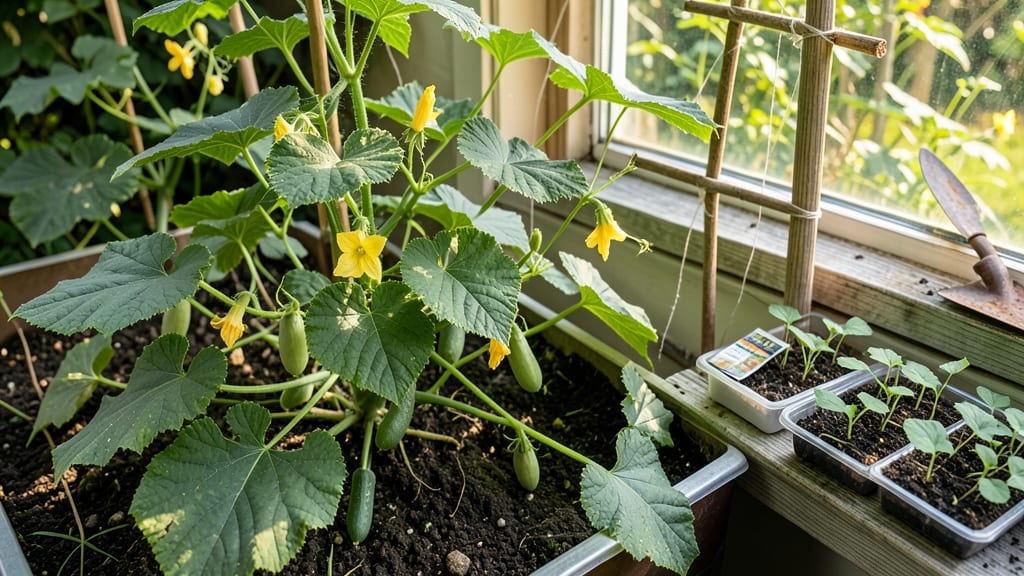
Growing cucumbers from seeds gives you bushy vines that produce more fruit than store-bought plants—if you crack the germination code. 🌱 I’ve learned the hard way that soggy soil and cold temperatures stall seeds, but with the right setup, you’ll see sprouts in just 3-5 days.
The key? Warmth, moisture, and patience—no fancy equipment needed.
Start with a seed-starting mix (not garden soil) in small pots or a tray, and keep it warm—75-85°F is ideal. Plant seeds ½ inch deep, just enough to cover them lightly, and mist the soil until damp but not wet.
A clear plastic dome or sheet helps trap warmth and humidity, speeding up those first tiny leaves. Most beginners overwater here, so check moisture by sticking your finger in—if it’s dry an inch down, water lightly.
Once sprouts appear, move them to a sunny spot with 6-8 hours of light daily. Thin seedlings to 1-2 inches apart to avoid crowding, and harden them off before transplanting.
You’ll be harvesting crisp cucumbers in 50-60 days—just imagine the difference from those wimpy store-bought ones! The secret? Consistent warmth, gentle care, and letting those vines stretch toward the sun.
This method works for backyard gardens, containers, or raised beds—just adjust spacing for your setup. Whether you’re growing slicing cucumbers or pickles, the same principles apply. Ready to skip the $3 plants and grow your own? Let’s get those seeds sprouting!
📚 In This Guide
- What you need
- Instructions
- Tips and common mistakes
- Wrapping up and next steps
What you need
- ● Cucumber seeds: 5–10 fresh, non-GMO seeds (check the packet for heirloom or hybrid varieties like 'Straight Eight' or 'Marketmore' for reliability).
- ● Biodegradable seed-starting pots or peat pellets: 2–4 (3–4 inches deep) to avoid transplant shock. Pro tip: Skip plastic if you can—biodegradable pots = less root disturbance later! 💡
- ● Seed-starting mix: 1–2 cups of lightweight, sterile potting soil (avoid garden soil—it’s too dense and can harbor fungi).
- ● Spray bottle (with water): For gentle hydration (a 16 oz. misting bottle works perfectly).
- ● Clear plastic dome or ziplock bag: To create a mini greenhouse effect (a gallon-sized bag with a hole cut for airflow is a budget hack!).
- ○ Heating mat (optional but game-changing): A 10"x20" mat set to 75–85°F speeds germination by 30–50%. Pro tip: Place under pots for 12–24 hours/day until sprouts appear! 🔥
- ● Grow lights or sunny windowsill: A 12–16" LED grow light (or a south-facing window) ensures 12+ hours of light daily post-sprout.
- ● Small hand trowel: For planting seeds without crushing them.
- ● Toothpick or chopstick: To poke tiny holes in pots for drainage (if not pre-drilled).
- ○ Thermometer (optional): A soil thermometer ensures your mix stays in the 70–90°F sweet spot for germination.
- ● Fertilizer (post-sprout): A balanced liquid fertilizer (5-5-5 or 10-10-10) diluted to half-strength once true leaves appear.
- ● Twine or stakes: For trellising later (if growing vining varieties).
- ● Patience (but not too much!): Seeds germinate in 5–10 days with these tricks—double-check your seed packet for variety-specific times.
- ● Consistent warmth: Keep pots in a spot where temps stay above 60°F (a kitchen counter near the oven or a basement with a space heater works in a pinch).
- ● Moisture monitoring: Keep soil damp (not soggy) by misting daily and checking with your finger—top inch should feel like a wrung-out sponge.
Step-by-step instructions for growing cucumbers from seeds
Here's how I get cucumbers sprouting in 5 days—not the usual two weeks—using simple tricks that boost germination.
🌱 Step 1: Pre-Soak Seeds for Faster Germination
Cucumber seeds have tough outer shells that slow sprouting. Place them in a lukewarm water bath for 12 hours before planting. I use a small bowl or jar—just enough water to fully submerge the seeds. This softens the seed coat, letting roots emerge quicker once planted.
After soaking, drain the water and let the seeds sit on a damp paper towel for another 6 hours. You'll see tiny white roots peeking out—that's your signal they're ready. Handle gently now; over-squishing can damage the delicate sprouts.
💧 Step 2: Plant in Warm, Moist Soil
Fill biodegradable pots (at least 3 inches deep) with seed-starting mix—not garden soil, which compacts and suffocates roots. Moisten it until damp but not dripping, then press lightly to remove air pockets. Cucumbers love warmth, so place the pots in a spot where soil stays 75-85°F. A seedling heat mat works wonders if your home runs cooler.
Plant 2 seeds per pot, burying them ½ inch deep—just enough to cover them lightly. Gently firm the soil around them, then mist the surface with water. Cover the pots with clear plastic wrap to trap humidity. Check daily for condensation; if it fogs up, you've got the moisture balance right.
☀️ Step 3: Provide Bottom Heat and Indirect Light
Place the pots under a grow light (LED or fluorescent) 2-3 inches above them, keeping it on for 14-16 hours daily. Cucumbers need light immediately—even a few hours of darkness slows germination. Watch for tiny sprouts in 3-5 days; if they don’t appear by day 7, gently check the soil moisture (it might be too dry).
Once sprouts emerge, remove the plastic wrap to prevent mold. Thin to the strongest seedling per pot after true leaves (not the first tiny ones) appear. Use scissors to snip the weaker sprout at soil level—this avoids disturbing roots.
🌿 Step 4: Harden Off and Transplant
After 2 weeks, when seedlings have 3-4 leaves, start hardening them off. Move pots to a shaded outdoor spot for 1 hour the first day, then gradually increase time over 7-10 days. Cucumbers are sensitive to cold, so avoid temps below 55°F. You’ll know they’re ready when they look vibrant and perky—no wilting or yellowing.
Transplant to the garden after the last frost, spacing plants 12-18 inches apart in full sun. Bury the stem deeper than in the pot—this encourages root growth. Water deeply at planting, then keep soil consistently moist (not soggy). Mulch with straw to retain moisture and prevent weeds.
⏰ Step 5: Support Vines and Encourage Bushiness
Cucumbers need vertical support—install trellises or stakes at planting. Gently tie vines with soft cloth strips as they grow; harsh ties can damage stems. Prune side shoots (suckers) to direct energy into main vines and fruit. This keeps plants compact and productive—no sprawling mess.
Watch for yellowing leaves (a sign of overwatering) or stunted growth (underwatering). Harvest small cucumbers (6-8 inches) for best flavor. The more you pick, the more the plant produces—don’t let them overripe on the vine!
Tips & tricks for perfect cucumber seed germination
These game-changing tricks will help you bypass the two-week wait and get those cucumber sprouts popping in record time.
Soak Smarter: The 12-hour lukewarm water bath is non-negotiable for breaking cucumber seed dormancy, but here's the secret: use filtered or distilled water instead of tap water. Chlorine and fluoride can inhibit germination. I also add a drop of honey to the soak water—it contains natural enzymes that further soften the seed coat. After draining, place seeds on a damp paper towel between two plates in a shallow dish to prevent them from rolling away during the 6-hour root emergence phase.
Heat Hack: Maintaining that 75-85°F soil temperature range is crucial, but not all homes can hit that mark. If your kitchen runs cooler, place the pots on a seedling heat mat set to 70°F—this creates the perfect bottom heat while still letting you maintain the 75-85°F range at the soil surface. For extra insurance, I wrap the pots in a thin towel to help retain warmth, especially if your home tends to be drafty. This mimics the tropical conditions cucumbers love in their native habitat.
Lighting Strategy: When setting up your grow light for the 14-16 hour daily requirement, position it slightly higher than the 2-3 inch recommendation if your light is more powerful. I test by holding my hand between the light and seedlings—if I can't keep it there comfortably for 10 seconds, the light's too intense. Watch for purple tinges on leaves, which signal light stress. Rotate pots quarter-turn daily to prevent uneven growth toward the light source.
Transplant Timing: The 2-week hardening off period is your safety net, but don't rush it. I test readiness by gently tugging on a leaf—if it resists and doesn't wilt immediately, it's ready. For cooler climates, consider using black plastic mulch around transplanted cucumbers to warm the soil faster. This helps compensate if nighttime temps dip below the 55°F threshold, which cucumbers absolutely hate.
Pro Tips for Cucumbers From Seeds
- These game-changing tricks will help you bypass the two-week wait and get those cucumber sprouts popping in record time.
- Soak Smarter: The 12-hour lukewarm water bath is non-negotiable for breaking cucumber seed dormancy, but here's the secret: use filtered or distilled water instead of tap water.
- Heat Hack: Maintaining that 75-85°F soil temperature range is crucial, but not all homes can hit that mark.
Frequently asked questions
Got questions about growing cucumbers from seeds? You’re not alone!
Here are answers to the most common queries—from speeding up germination to troubleshooting common hiccups. Dive in for quick, actionable tips to set your vines up for success.
How long does it take for cucumber seeds to germinate?
Most cucumber seeds sprout within 5–10 days in warm, moist soil (70–90°F). If your seeds haven’t sprouted in 2 weeks, they may need a boost—try soaking them in warm water for 6–12 hours before replanting or check for rot (discard mushy seeds). Patience pays off!
Can I grow cucumbers from seeds indoors first?
Start seeds indoors 3–4 weeks before your last frost date for a head start. Use small pots or a seed tray with well-draining soil, place them near a sunny window or under grow lights, and keep the soil consistently moist. Transplant seedlings outdoors after hardening off (acclimating them to outdoor temps over 7–10 days).
Why are my cucumber seeds not sprouting?
Common culprits include cold soil (cucumbers hate chill!), dry conditions, or old/seeds planted too deep (max ½ inch deep). Double-check your soil temp (use a seedling heat mat if needed), ensure moisture, and avoid overcrowding. If seeds are >2 years old, they may have lost viability—try fresh ones!
What’s the fastest way to germinate cucumber seeds?
Boost germination with these pro tips:
- Warmth is key: Place seeds on a damp paper towel in a sealed bag near a heat source (like a sunny window or heating pad) until sprouts appear (2–4 days).
- Soak first: Soak seeds in warm water for 6–12 hours to kickstart hydration.
- Direct-sow in heat: Wait until soil is at least 60°F (70°F+ is ideal) to plant outdoors.
Can I grow cucumbers from seeds in containers or small spaces?
Yes! Cucumbers thrive in containers as long as they have at least 1–2 gallons of space per plant (bush varieties need less). Choose trellising varieties (like ‘Bush Champion’) to save space—train vines upward to avoid sprawling. Ensure pots have drainage holes and use lightweight potting mix. Just keep them well-watered and sunny!
Bonus Tip: Troubleshooting Yellow Leaves
Yellow leaves? Often a sign of overwatering, nutrient deficiency, or poor drainage. Check soil moisture (keep it consistently damp, not soggy) and amend with compost or a balanced fertilizer. If leaves curl, cucumbers may be too hot or thirsty—provide afternoon shade in extreme heat.
Wrapping up and next steps
Growing cucumbers from seeds is a rewarding journey that brings fresh, homegrown goodness to your table—and it’s easier than you think! 🌱 With the right soil, patience, and a few speed-germination tricks, you’ll soon be harvesting crisp, vine-ripened cucumbers in no time.
Whether you’re a green thumb or a curious beginner, these tips will help you cultivate thriving vines with confidence.
Ready to dive in? Start by gathering your seeds, supplies, and a sunny spot in your garden or balcony. Then, follow the steps above to kickstart your cucumber adventure—and don’t forget to share your progress with fellow gardeners! Happy planting! 🌿