
Vegetables
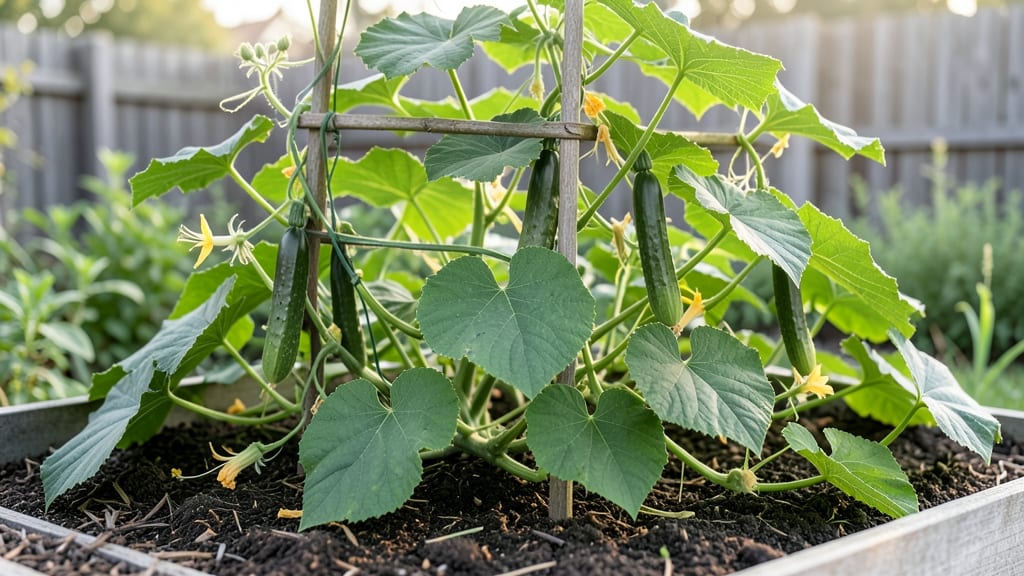
Yellowing cucumber vine leaves don’t mean your harvest is doomed—it’s a fixable signal. 🌱 I’ve battled everything from powdery mildew to nutrient deficiencies, and these strategies keep my vines thriving all season long. The key is acting fast before problems spread.
Most issues start with overwatering or nutrient imbalances, but pests like aphids or fungal spores can turn leaves into a sad, spotted mess. I learned the hard way that ignoring early signs means losing both leaves and cucumbers—so I now check vines twice weekly for subtle changes.
With the right approach, you’ll restore crisp, dark-green foliage in 7-10 days. Prune damaged leaves, adjust watering, and apply organic treatments like neem oil or baking soda spray. The payoff? Healthy vines = bigger, sweeter cucumbers by harvest time.
Works for all cucumber varieties—whether you’re growing slicers, pickles, or heirlooms. Let’s turn those yellowing leaves into a success story before they become a crisis.
Root Causes of Vine Leaf Issues
When your cucumber vine leaves start looking less vibrant or begin to wilt, it’s usually a sign that something’s off—but not always what you’d expect. Understanding the why behind these problems is the first step to fixing them.
Below, we break down the most common culprits, backed by science, so you can take action before it’s too late.
Cucumber vines thrive in well-draining, nutrient-rich soil with a slightly acidic to neutral pH (6.0–7.0). If your soil is compacted, waterlogged, or lacking essential nutrients, the leaves will show it—often with yellowing, browning edges, or stunted growth.
- Compacted Soil:
Heavy or clay-heavy soil restricts root expansion, limiting the plant’s ability to absorb water and nutrients. Roots suffocate, leading to chlorosis (yellowing leaves) or wilting.
Actionable fix: Amend soil with compost or organic matter (like coconut coir or peat moss) to improve aeration. Avoid walking on garden beds to prevent compaction.
- Nutrient Deficiencies:
Cucumbers are heavy feeders, especially hungry for nitrogen (N), potassium (K), and magnesium (Mg). Deficiencies manifest as:
- Nitrogen (N) deficiency: Pale, yellowing leaves (starting with older ones).
- Potassium (K) deficiency: Brown or yellow edges on leaves, even if soil is moist.
- Magnesium (Mg) deficiency: Interveinal yellowing (yellow patches between leaf veins).
Actionable fix: Conduct a soil test to identify deficiencies. Add balanced fertilizer (e.g., 10-10-10) or organic amendments like banana peels (for potassium) or Epsom salt (for magnesium).
- pH Imbalance:
Soil pH affects nutrient availability. If pH is too high (>7.0) or too low (<6.0), plants can’t absorb critical minerals like iron or manganese, causing yellowing even in fertile soil.
Actionable fix: Test soil pH and adjust with lime (to raise pH) or sulfur (to lower pH) as needed.
Water is the lifeblood of cucumber vines, but too much or too little can spell disaster. Leaves react quickly to hydration stress, often with wilting, curling, or crispy edges.
- Underwatering:
Cucumbers need 1–2 inches of water per week, especially during fruiting. Underwatering causes leaves to wilt, droop, or develop a papery texture. Roots shrink, and the plant struggles to transport water upward.
Actionable fix: Water deeply at the soil base (not the leaves) in the morning to reduce evaporation. Use drip irrigation or soaker hoses to deliver consistent moisture.
- Overwatering:
Soggy soil cuts off oxygen to roots, leading to root rot (often caused by Pythium or Phytophthora fungi). Symptoms include yellowing leaves, blackened stems, and a foul odor.
Actionable fix: Ensure proper drainage by raising beds or mixing in perlite. Space watering to let the top 1–2 inches of soil dry between sessions.
- Inconsistent Moisture:
Fluctuating water levels stress plants, causing leaves to curl or develop bitter, puckered edges. This is common in container-grown cucumbers or during heatwaves.
Actionable fix: Mulch with straw or shredded leaves to retain moisture. Use a moisture meter to monitor soil hydration.
Cucumber vines are sensitive to extreme temperatures, humidity, and sunlight. Push them beyond their comfort zone, and the leaves will scream for help—literally.
- Heat Stress:
Temperatures above 90°F (32°C) cause cucumber leaves to scorch (brown, crispy edges) or yellow. High heat also disrupts photosynthesis, leading to weak, stunted growth.
Actionable fix: Provide afternoon shade with row covers or shade cloth (30–50% coverage). Plant in partial shade or use reflective mulch to deflect heat.
- Cold Damage:
Frost or temperatures below 50°F (10°C) can cause leaves to turn black or develop water-soaked spots. Cucumbers are tender annuals and won’t tolerate freezing.
Actionable fix: Grow cucumbers in warm seasons (spring to early fall). Use row covers or cold frames to protect young plants. Avoid planting in low-lying areas where cold air pools.
- Humidity Imbalances:
Low humidity (<40%) leads to transpiration stress, causing leaves to wilt or develop brown tips. High humidity (>80%) without airflow promotes fungal diseases like powdery mildew (white, powdery patches).
Actionable fix: Improve airflow with spacing (12–24 inches apart) or trellises. Use a fan in greenhouses or mist leaves lightly in dry climates.
Hidden invaders—like pests or pathogens—can wreak havoc on cucumber vine leaves without obvious signs until it’s too late. Early detection is key.
- Pests:
Common culprits include:
- Aphids: Tiny green/black insects that suck sap, causing sticky residue (honeydew) and curled, yellowing leaves.
- Spider Mites: Microscopic pests that create fine webbing and cause speckled, bronze-colored leaves.
- Cucumber Beetles: Striped or spotted beetles that chew leaves, leaving irregular holes and spreading bacterial wilt.
Actionable fix: Inspect leaves daily. Blast pests off with water or use neem oil (for aphids/mites) or row covers (to block beetles). Introduce beneficial insects like ladybugs.
- Fungal Diseases:
Overhead watering or poor airflow invites fungi like:
- Powdery Mildew: White, powdery coating on leaves, reducing photosynthesis.
- Downy Mildew: Yellow spots on top leaves, purple fuzz on undersides.
- Alternaria Leaf Spot: Dark, concentric rings on leaves.
Actionable fix: Remove infected leaves immediately. Apply copper fungicide or baking soda spray (1 tsp baking soda + 1 quart water + a drop of dish soap). Space plants for airflow.
Most leaf problems stem from a mix of these factors, so diagnose carefully before treating. Start with soil and water, then move to environmental checks—your cucumber vines will thank you with lush, healthy growth! 🌿
Practical fixes for wilted vine leaves
Reviving your cucumber vine leaves—and keeping them fresh longer—doesn’t have to be a guessing game. Whether they’re drooping after harvest, wilting in storage, or turning yellow too soon, these targeted solutions will help you salvage and preserve them like a pro.
Below, we break down the most common issues and their fixes, plus prevention tips to avoid future frustration.
Cause: Overhandling, dehydration, or improper storage. Fix:
- Hydrate them fast 💧: Place leaves in a bowl of ice-cold water for 10–15 minutes. This plumps them up and restores turgidity.
- Wrap in a damp towel 🧻: Lay leaves between two damp paper towels, then wrap them loosely in plastic wrap. Store in the fridge for up to 3 days.
- Revive with humidity ☁️: Place a small bowl of water near your storage container to maintain moisture.
Prevention: ✅ Harvest in the morning when leaves are crispest. ✅ Handle gently—avoid crushing stems during transport. ✅ Store in breathable bags (not airtight) with a paper towel to absorb excess moisture.
Cause: Oxidation, bruising, or bacterial/fungal growth. Fix:
- Trim the bad spots ✂️: Snip off yellowed or spotted areas before use. Healthy green parts can still be cooked or blended.
- Soak in vinegar rinse 🍶: Submerge leaves in a 1:4 vinegar-to-water solution for 5 minutes to kill bacteria, then rinse thoroughly.
- Freeze for later ❄️: Chop leaves, spread on a tray to freeze, then transfer to a bag. Use within 3 months for soups or smoothies.
Prevention: ✅ Wash leaves right after harvest (use a vinegar spray to disinfect). ✅ Avoid stacking wet leaves—this traps moisture and speeds up rot. ✅ Use within 5 days if refrigerated—don’t let them sit too long.
Cause: Overripe leaves, high humidity, or improper fridge storage. Fix:
- Blanch and freeze 🍲: Boil leaves for 30 seconds, then plunge into ice water. Drain, dry, and freeze in portions for future use.
- Make pesto or chutney 🧄: Blend wilted leaves with garlic, olive oil, nuts, and lemon juice. Preserves flavor while extending shelf life.
- Compost the worst 🌱: If leaves are too far gone, toss them in compost instead of wasting them.
Prevention: ✅ Store in the crisper drawer (not the door) of your fridge. ✅ Keep stems intact—cutting them speeds up wilting. ✅ Use an open container (not sealed) to allow airflow.
Cause: Exposure to direct sunlight or warm temperatures. Fix:
- Shade them immediately 🌞: Move leaves to a cool, dark place (like a root cellar or fridge).
- Mist with water 💦: Lightly spray leaves with water to cool them down.
- Use a damp cloth 🧦: Wrap leaves in a damp kitchen towel and refrigerate for 1–2 hours.
Prevention: ✅ Harvest during cooler hours (early morning or late evening). ✅ Store in a ventilated bag with a gel ice pack if transporting. ✅ Avoid washing before storage—excess water accelerates spoilage.
💡 Pro Tip: If your leaves are still slightly crisp but not perfect, try blanching them first before storing. This slows down enzyme activity and keeps them fresh longer!
By following these fixes, you’ll minimize waste and maximize flavor—whether you’re using cucumber vine leaves in stir-fries, teas, or salads. Now go ahead and preserve that freshness like a pro! 🌿✨
Frequently asked questions
Why are my cucumber vine leaves turning yellow?
Yellowing cucumber vine leaves usually signal nutrient deficiencies (like nitrogen or magnesium), overwatering, or fungal diseases like powdery mildew. Check soil moisture first—roots need well-draining conditions. If leaves show yellow patches between veins, it’s likely a magnesium deficiency (try Epsom salt). For fungal issues, remove affected leaves and apply neem oil.
Can I use cucumber vine leaves in cooking?
Young, tender leaves work well in soups, stir-fries, or as a flavorful wrap (like dolmas). Harvest leaves before they toughen, and blanch for 30 seconds to preserve nutrients. Older leaves can be chopped for teas or pestos. Always wash thoroughly to remove dirt or pesticides.
How often should I water cucumber plants to keep leaves healthy?
Cucumber vines need 1–2 inches of water weekly, especially during fruiting. Water deeply at the base (not leaves) in the morning to prevent fungal growth. Avoid soggy soil—let the top 1–2 inches dry between waterings. Mulch with straw to retain moisture and reduce evaporation.
What’s the best way to store harvested cucumber vine leaves?
Wrap leaves in a damp paper towel, place in a breathable bag, and store in the fridge for 3–5 days. For longer storage, blanch leaves for 30 seconds, cool in ice water, dry, and freeze in portions. Avoid airtight containers—condensation speeds up spoilage.
Are there organic ways to treat pests on cucumber leaves?
Yes! For aphids or mites, spray leaves with a mix of 1 tsp neem oil + 1 tsp dish soap in 1 quart water. Introduce ladybugs or lacewings to eat pests naturally. For cucumber beetles, cover young plants with row fabric until they’re established. Remove chewed leaves immediately to prevent disease spread.