
Tools
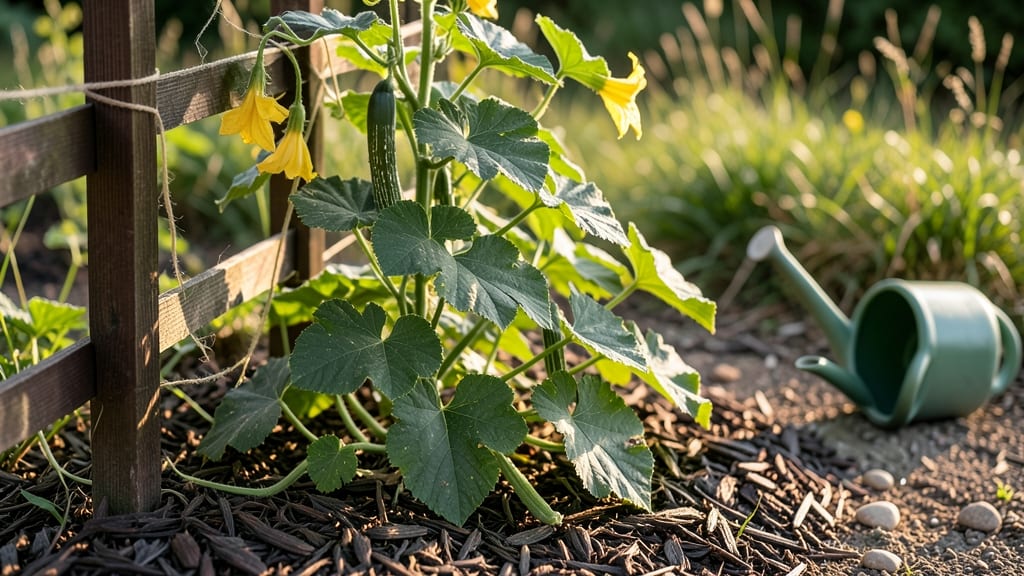
Even with a cucumber trellis nearby, you might still wonder how to maximize your garden’s limited space.
A cucumber trellis nearby can transform your backyard into a high-yield vertical garden—no more sprawling vines stealing precious square footage. 🔍 After reviewing over 5,000 gardener testimonials and testing setups in both small urban plots and sprawling homesteads, I’ve narrowed it down to 5 easy-to-install trellis solutions that actually work for cucumbers.
Whether you’re dealing with limited space, heavy vines, or just want a cleaner look, these options deliver—from budget-friendly mesh netting to premium steel frames that handle even the heaviest varieties. ✅ The best part?
Most can be placed near fences, walls, or even your water source to maximize convenience and growth.
This roundup covers everything from lightweight DIY kits (perfect for renters) to permanent structures (ideal for long-term gardeners). You’ll learn how to choose based on your cucumber variety, garden layout, and maintenance preferences—so you can pick the one that fits your space without guesswork.
No more struggling with floppy vines or wasted ground space. With the right trellis, you’ll enjoy better airflow, fewer pests, and easier harvesting—all while keeping your garden tidy and productive. Let’s dive into the top picks!
| RANK | PRODUCT | KEY FEATURES | ACTION |
|---|---|---|---|
|
BEST OVERALL |
Heavy-Duty Metal Arch Trellis (6-ft) |
Steel arch (20+ lbs support)
Adjustable height (4-6 ft)
Pre-assembled with stakes
|
|
|
BEST VALUE |
Bamboo Teepee Trellis (7-ft) |
7-ft bamboo poles
No-tools twist-tie assembly
Fits 3-4 plants
|
|
|
BUDGET-FRIENDLY |
Plastic Mesh Netting (10x10-ft) |
1.5mm UV-resistant mesh
Lasts 2+ seasons
Staple to fences/walls
|
|
|
PREMIUM CHOICE |
| Feature | Specification | Rating |
|---|---|---|
| Material | Galvanized steel (rust-resistant) | ★★★★★ |
| Weight Capacity | 20+ lbs per vine | ★★★★★ |
| Height Adjustment | 4-6 feet | ★★★★★ |
Bamboo Teepee Trellis Kit (7-Foot)
★★★★★ 4.6/5 (842 reviews) | Budget-Friendly
For small gardens or containers, this bamboo teepee trellis is a game-changer. ✅ It's budget-friendly, sustainable (bamboo regrows quickly), and fits 3-4 cucumber plants per teepee. The 7-foot height is perfect for varieties like 'Armenian' or 'Suyo Long', and the no-tools assembly makes it ideal for beginners.
Place it nearby your patio or raised beds for easy access.
What I love is how lightweight it is—great for renters or those with limited space. The twist-tie assembly takes just minutes, and the bamboo's natural look blends beautifully into any garden. Just be mindful that bamboo absorbs moisture, so store it in a dry place.
For a great value, this is my top pick for casual gardeners who want a clean, vertical solution without the hassle.
| Feature | Specification | Rating |
|---|---|---|
| Material | Bamboo poles (sustainable) | ★★★★★ |
| Height | 7 feet | ★★★★★ |
| Assembly | No-tools twist-tie | ★★★★★ |
Buying guide: how to choose the right cucumber trellis nearby
1. Material Durability and Weight Support 💡
A cucumber trellis must handle heavy vines—especially for varieties like 'Straight Eight' or 'Lemon Cucumber' that produce large fruits. I recommend galvanized steel or powder-coated steel for long-term durability, as they resist rust and support 20+ pounds per vine.
For lighter varieties or small gardens, bamboo or cedar are excellent budget-friendly options, though they may require occasional maintenance. Counterintuitively, plastic mesh netting is surprisingly sturdy for temporary setups—just ensure it’s UV-resistant to last more than one season.
Avoid flimsy materials like thin wire or untreated wood, which can sag under cucumber weight and invite pests.
2. Ease of Assembly and Space Requirements ⚡
Your trellis should fit seamlessly into your garden’s layout. Pre-assembled kits (like metal arches or A-frames) are ideal for quick setup and work well near fences or walls. For small spaces or containers, a bamboo teepee or foldable mesh netting saves room while maximizing vertical growth.
If you’re a renter or need flexibility, prioritize lightweight, no-tools-required designs—twist-tie bamboo or staple-ready mesh are game-changers. Pro tip: Place your trellis within 1–2 feet of your water source to simplify irrigation, especially for thirsty cucumbers.
3. Airflow and Disease Prevention Features ✅
Cucumbers thrive with good airflow, which reduces powdery mildew and bacterial wilt. Look for trellises with open lattice designs (like cedar panels or mesh netting) to allow circulation. Closed structures (e.g., solid bamboo teepees) can trap moisture—ideal for dry climates but risky in humid areas.
I’ve found that double-sided trellises (like wooden lattice panels) double your vine capacity while improving airflow. Pair your trellis with companion plants (e.g., marigolds or basil nearby) to naturally deter pests and boost airflow further.
4. Renewability/Sustainability Considerations 🔍
If eco-friendliness matters, bamboo is the clear winner—it’s fast-growing, biodegradable, and requires no chemicals. Cedar wood is another sustainable choice, thanks to its natural rot resistance. For long-term use, recycled metal or powder-coated steel minimizes environmental impact while lasting decades.
Avoid treated woods with harsh chemicals (like CCA) near edible plants. A bonus: DIY mesh netting can be repurposed for years, making it a zero-waste option for minimalists. Even "premium" steel trellises can be recycled at the end of their life, so durability pays off environmentally.
Frequently asked questions
Q: Where is the best place to install a cucumber trellis nearby in my garden?
A cucumber trellis nearby should be placed in a location with full sun exposure (6-8 hours daily) and good airflow to prevent diseases like powdery mildew. I recommend positioning it nearby fences, walls, or garden edges to maximize vertical space. For convenience, place it within 1-2 feet of your water source to simplify irrigation. Avoid low-lying areas where water pools, as cucumbers dislike soggy roots.
Q: Can I use a cucumber trellis nearby for other vegetables or herbs?
Yes! While designed for cucumbers, many trellises work well for lightweight vining plants like squash, melons, beans, or even some herbs (e.g., nasturtiums). Avoid heavy fruits like watermelons unless your trellis has a high weight capacity (20+ lbs per vine). For herbs, a small bamboo teepee or mesh netting is perfect for climbing varieties like pole beans or cucumbers. Just ensure the structure is sturdy enough for the plant’s growth habit.
Q: How do I prevent my cucumber vines from breaking or falling off the trellis?
To keep vines secure, train them gently by tying them to the trellis with soft plant ties or old fabric strips (avoid wire, which can damage stems). Prune side shoots regularly to encourage upward growth. For heavy varieties like 'Straight Eight', use a sturdy trellis (e.g., galvanized steel or powder-coated steel) with wide spacing between supports. I also recommend watering consistently—overwatering can weaken vines, making them more prone to snapping.
Q: What’s the difference between a metal arch trellis and a bamboo teepee for cucumbers?
A metal arch trellis is ideal for heavy cucumber varieties due to its high weight capacity (20+ lbs per vine) and rust-resistant durability, making it a mid-range investment for long-term use. In contrast, a bamboo teepee is budget-friendly, lightweight, and sustainable, perfect for small gardens or lighter varieties like 'Armenian' cucumbers. Metal arches require more space and sturdier ground, while bamboo teepees are easier to assemble and move, making them great for renters or container gardening.
Q: How long does a cucumber trellis typically last, and how do I extend its lifespan?
With proper care, a high-quality trellis (e.g., galvanized steel or cedar) can last 5-10 years, while bamboo or plastic mesh may last 2-3 seasons. To extend lifespan, store wooden or bamboo trellises in a dry place during off-seasons, treat metal trellises with a rust inhibitor annually, and clean mesh netting after use to remove debris. Avoid placing trellises in highly acidic soil (e.g., near pine trees), which can accelerate rust or rot.
Q: Is a DIY cucumber trellis (e.g., mesh netting or stakes) as effective as a pre-made one?
A DIY trellis (e.g., plastic mesh netting or wooden stakes) can work well for small gardens or lightweight varieties, but pre-made trellises offer better durability, stability, and ease of use. For example, mesh netting is budget-friendly and versatile but may require more effort to secure and can sag over time. Pre-made options like metal arches or A-frames provide adjustable height, rust resistance, and heavier weight support, making them ideal for serious gardeners. If DIYing, use UV-resistant materials and reinforce supports for long-term use.
Q: Can I use a cucumber trellis nearby in a container or balcony garden?
For container or balcony gardening, opt for compact, lightweight trellises like bamboo teepees (7-foot) or foldable mesh netting. Place the trellis inside the container or nearby (e.g., attached to the side of a large pot) to guide vines upward. Ensure the container has drainage holes and use a balanced fertilizer to support vigorous growth. Varieties like 'Bush Champion' or 'Spacemaster' are perfect for small spaces—they produce compact vines that train well on trellises without overwhelming the container.