
Vegetables
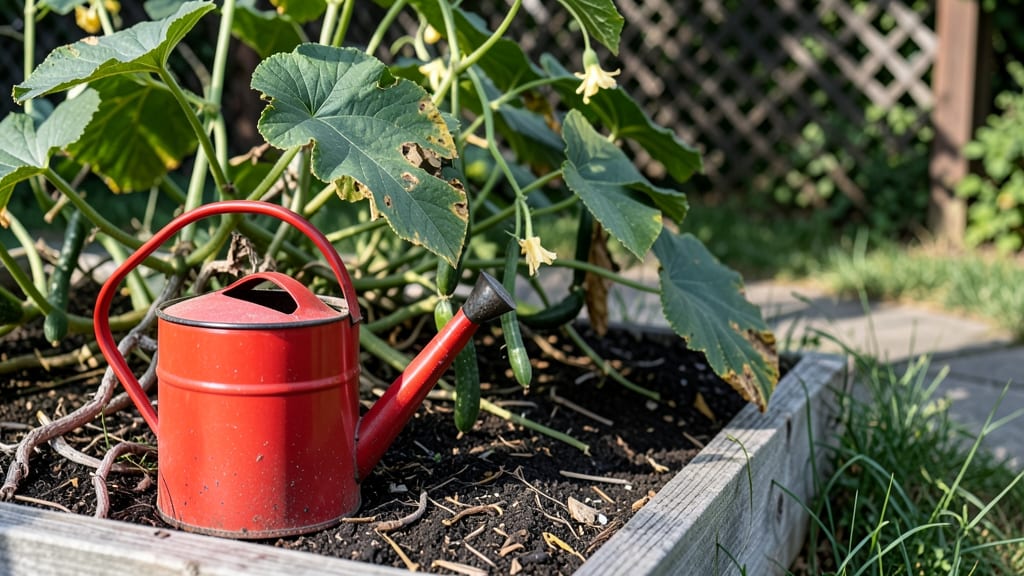
Cucumber stems drying out turns crisp, juicy harvests into sad, shriveled messes—unless you catch it early. 🌱 I’ve lost entire vines to this problem, but I’ve also saved them with just a few targeted moves.
The key is spotting the signs (yellowing leaves, brittle stems) and acting fast before the whole plant gives up.
Most cases boil down to two culprits: fungal diseases like powdery mildew or bacterial wilt, or simple environmental stress from inconsistent watering or poor airflow. The good news?
Both are fixable with basic pruning, better watering habits (deep soaks, not sprinkles), and a little extra space between plants to let air move.
You’ll see results within days—stems firming up, leaves perking back to green, and vines ready to produce those crunchy cucumbers again. The trick is consistency: check plants twice a week, remove infected leaves immediately, and keep the soil evenly moist but not soggy.
For next season, swap in disease-resistant varieties and rotate crops to break the cycle. This method works for both backyard gardens and container setups—no fancy tools required. Let’s get those cucumbers thriving again.
Root Causes Of Stem Shriveling
When your cucumber stems start drying out, it’s usually a sign that something fundamental is off—whether it’s the plant’s environment, water balance, or even its own biology. Understanding these triggers helps you fix the problem before it spreads. Here’s why it happens, broken down into clear, actionable causes:
Cucumbers are 95% water, so even slight dehydration causes stems to wilt and dry out. The most common culprits:
- Underwatering: Sandy or fast-draining soil pulls moisture away too quickly. Cucumbers need consistent dampness—like a wrung-out sponge—not occasional deep soaks. Test it: Stick your finger 1–2 inches into the soil. If it’s dry, water immediately.
- Overwatering (yes, really): Too much water displaces oxygen in the roots, suffocating them. Poor drainage or compacted soil traps excess moisture, leading to root rot, which then starves the stem of hydration. Fix it: Use raised beds or containers with drainage holes.
- Inconsistent watering: Cucumbers hate moisture swings. If you water heavily one day and skip the next, the plant panics, closing stomata (pores) to retain water—causing stems to harden and dry out. Solution: Water at the base every morning (6–8 AM) for steady absorption.
Pro Tip: 🌡️ Use a moisture meter or the "squeeze test"—gently press a leaf. If it springs back, you’re good. If it stays folded, it’s thirsty.
Cucumbers thrive in warmth (70–90°F), but too much direct sun—especially in dry climates—can cook the stems. Here’s how:
- Transpiration overload: Hot, dry air causes leaves to lose water faster than roots can replace it. Stems shrink as the plant prioritizes keeping leaves alive. Sign: Wilting by midday, even with wet soil.
- Sun scorch: Intense UV rays (especially in <100°F+ heat) damage stem cells, causing them to crust over and dry out. Spot it: White or yellow patches on stems.
- Poor airflow: Dense foliage traps heat, creating a "greenhouse effect" that dries stems from the inside out. Fix: Prune leaves to let air circulate.
Quick Fix: 🌿 Provide afternoon shade (use shade cloth or drip irrigation to cool soil). Mulch with straw to retain moisture and block heat.
Stems act as the plant’s "plumbing system," and without key minerals, they weaken and dry out. The big offenders:
| Deficiency | Symptoms | How to Fix |
|---|---|---|
| Potassium (K) | Brown, crispy edges on stems/leaves; weak vines that snap easily. | Add banana peel tea (rich in potassium) or use a balanced fertilizer (5-5-5 or 10-10-10). |
| Calcium (Ca) | Stems develop blossom-end rot-like cracks, then dry out. Leaves may cup upward. | Apply crushed eggshells or calcium nitrate (1 tbsp/gallon of water). |
| Magnesium (Mg) | Yellowing between leaf veins (interveinal chlorosis) spreads to stems. | Use Epsom salt (1 tbsp/gallon of water) every 2 weeks. |
Pro Tip: 💡 Test your soil with a DIY kit (or send a sample to a local extension office) to pinpoint exact deficiencies before treating.
Hidden invaders can sever the stem’s vascular system, cutting off water flow. Watch for:
- Squash vine borers: These caterpillars burrow into stems, creating tunnels that block sap flow. Sign: Wilting vines with sawdust-like frass (poop) near the base.
- Powdery mildew: A fungal infection clogs stomata, preventing water absorption. Spot it: White, powdery residue on stems/leaves.
- Aphids/spider mites: These sap-suckers dehydrate stems by draining nutrients. Check: Sticky residue (honeydew) on leaves.
Act Fast: 🔥 For borers, prune infected stems and treat with BT (Bacillus thuringiensis). For mildew, spray neem oil or baking soda mix (1 tbsp/baking soda + 1 quart water + drop of soap).
Most stem drying is preventable with consistent care. The key? Monitor soil moisture, protect from heat stress, and feed your plants right. Next up: how to revive wilting cucumbers before it’s too late!
Fixing wilted cucumber stems fast
Now that you know why your cucumber stems are drying out, let’s tackle the problem head-on with practical, garden-tested solutions. Whether your plants are wilting from heat, poor soil, or neglect, these fixes will help you revive your cucumbers and keep them thriving.
And don’t forget—prevention is key to avoiding future woes!
Cause: Underwatering or inconsistent moisture levels. Solution:
- Water deeply but infrequently—aim for 1–1.5 inches of water per week, delivered at the base of the plant (not the leaves) to prevent fungal diseases.
- Use drip irrigation or soaker hoses to keep moisture steady without wetting foliage.
- Mulch heavily with straw, grass clippings, or shredded leaves to lock in moisture and cool roots.
- Water in the early morning so leaves dry quickly, reducing rot risk.
Pro Tip: 💡 If your soil feels dry 1–2 inches below the surface, it’s time to water—don’t wait until the top layer is bone-dry!
Cause: Poor soil drainage, nutrient deficiencies, or compacted roots. Solution:
- Amend your soil with compost or well-rotted manure to improve water retention and nutrient availability.
- Add perlite or vermiculite (10–20%) to sandy soil to help it hold moisture longer.
- Fertilize lightly with a balanced, organic fertilizer (like 5-5-5) or a seaweed extract to give plants a quick nutrient boost.
- Avoid over-fertilizing—too much salt can burn roots and worsen drought stress.
Pro Tip: 🌡️ Test your soil’s pH (ideal for cucumbers: 6.0–6.8). If it’s off, adjust with lime (to raise) or sulfur (to lower).
Cause: Extreme heat drying out stems too quickly. Solution:
- Provide afternoon shade with floating row covers, shade cloth (30–50%), or even a makeshift sunshade (like an old white sheet).
- Plant cucumbers near taller crops (like corn or sunflowers) to create natural shade.
- Harvest frequently—overripe cucumbers draw more water from the plant, accelerating wilting.
- Mist leaves lightly in the early morning (not evening) to cool them down—just don’t overdo it to avoid fungal issues.
Pro Tip: ⏰ Harvest cucumbers every 2–3 days to encourage new growth and reduce water stress!
Cause: Overcrowding, poor airflow, or weak stems. Solution:
- Thin out vines if plants are too dense—remove weak or yellowing stems to redirect energy to healthy growth.
- Use trellises or cages to elevate cucumbers off the ground, improving airflow and reducing rot risk.
- Prune lower leaves (especially on the ground) to prevent disease and encourage upward growth.
- Avoid heavy pruning—cucumbers are vining plants and need foliage for photosynthesis.
Pro Tip: ✂️ Use clean, sharp scissors (or pruners) to cut stems at a 45-degree angle to prevent tearing.
Cause: Bugs (like aphids or cucumber beetles) or fungal infections weakening stems. Solution:
- Inspect plants daily for chewed leaves, sticky residue (aphids), or yellow spots (powdery mildew).
- Spray with neem oil (mix 1 tbsp per quart of water) to deter pests and prevent fungal growth.
- Rotate crops next season—don’t plant cucumbers (or squash family plants) in the same spot yearly.
- Remove diseased leaves immediately and sterilize pruners with rubbing alcohol between cuts.
Pro Tip: 🐝 Encourage beneficial insects like ladybugs and lacewings—they eat pests naturally!
If your cucumbers are already severely wilted, try this 24-hour rescue plan:
- Trim damaged leaves (but leave some for photosynthesis).
- Soak the roots in cool water for 10–15 minutes to rehydrate.
- Transplant (if possible) to a shadier, moister spot with fresh soil.
- Fertilize lightly with a seaweed or fish emulsion to jumpstart recovery.
- Monitor closely—if no improvement in 3–5 days, the plant may not recover.
Pro Tip: 🌱 If all else fails, save seeds from healthy cucumbers for next season!
Prevention Checklist for Next Time: ✅ Water consistently (deep and early). ✅ Mulch thickly to retain moisture. ✅ Fertilize moderately—don’t overdo it. ✅ Provide shade in peak heat. ✅ Prune for airflow and remove pests ASAP. ✅ Harvest regularly to keep plants productive.
With these fixes, your cucumber stems will stay plump, green, and full of crunch—no wilting in sight! 🥒✨
Frequently asked questions
Why do cucumber stems dry out overnight?
Overnight drying often signals transpiration stress from hot days or poor airflow. Cucumbers lose moisture rapidly when daytime temps exceed 90°F or humidity drops below 40%. Check for crispy leaf edges or wilting by sunrise—these are classic signs. Mulch heavily and water at 6 AM to prevent this.
Can I save a cucumber plant if the main stem is drying?
Yes, but act fast! Prune only the dried sections (cut 1 inch below damage) and soak roots in cool water for 15 minutes to revive them. If the base is still firm, fertilize lightly with seaweed extract and provide afternoon shade. New growth should appear in 3–5 days.
What’s the difference between wilting and drying stems?
Wilting stems soften and droop (often recover with water), while drying stems become brittle, brown, and crispy. Wilting = temporary dehydration; drying = permanent damage (usually from disease or severe stress). Test by gently bending a stem—if it snaps, it’s dried out.
Will Epsom salt help if my cucumber stems are drying?
Only if the issue is magnesium deficiency (yellowing between leaf veins). Mix 1 tablespoon Epsom salt per gallon of water and spray foliage every 2 weeks. For drying stems, focus first on watering consistency and shade—Epsom salt won’t fix dehydration or heat stress.
Can I still harvest cucumbers from a plant with drying stems?
Harvest only fully ripe cucumbers (small, firm, and green) from healthy vines. Avoid overripe or diseased fruit—they drain the plant’s remaining energy. If stems are drying, prioritize saving the plant over harvesting; new growth will produce better yields.