
Plants
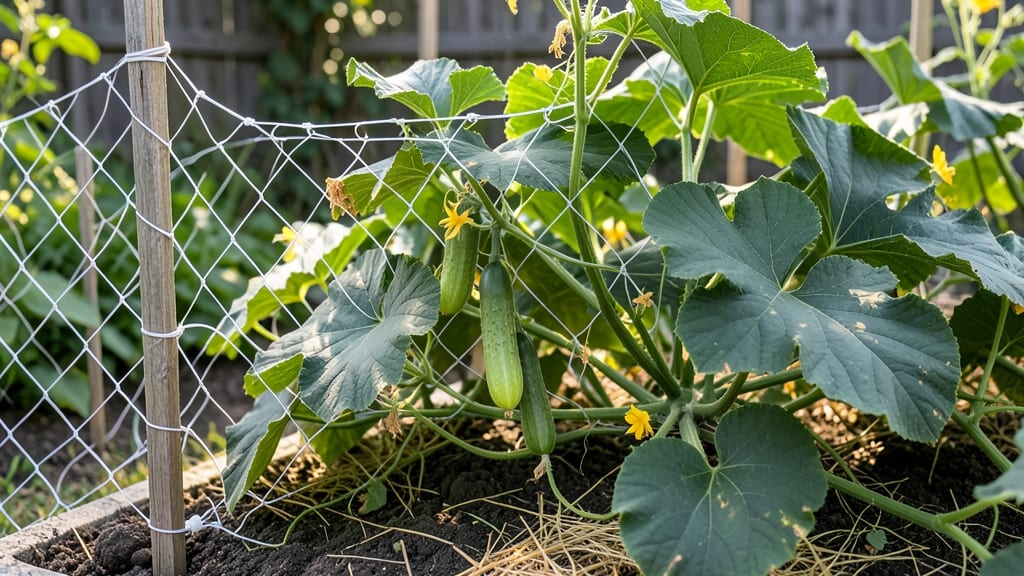
Cucumber plants flowering too early is the fast track to tiny fruit and wasted energy. 🌱 I’ve watched my vines send up blooms when they should’ve been growing leaves—leaving me with bitter, undersized cukes by summer.
The fix isn’t complicated, but it is about reading your plant’s signals and adjusting care before it’s too late.
Most early blooming happens when cucumbers sense warm nights or long days too soon, triggering flowers instead of foliage. Some varieties (like slicing types) are worse offenders than others, and stress—from inconsistent watering or root-bound pots—speeds up the process.
The good news? You can reset growth with simple tweaks: shade cloth, cooler evenings, and targeted pruning to redirect energy back into vines.
By the time you’re done, you’ll have plants that focus on leafy growth first, then produce foot-long cukes instead of golf-ball-sized disappointments. The key is acting fast—once those first flowers appear, the damage is done for that cycle.
But with these fixes, your next batch will wait patiently for the perfect moment to bloom.
Works for both bush and vining types, whether you’re growing in containers or the ground. The same principles apply whether you’re dealing with a single plant or a full trellis. Let’s get those vines growing the way they should!
Triggers Behind Premature Blooms
Premature flowering in cucumber plants can feel like nature’s way of rushing ahead—leaving you with fewer fruits and more frustration. But why does this happen? Understanding the root causes helps you adjust care strategies for a more productive harvest. Let’s break it down by the most common culprits:
Cucumbers are warm-season plants that thrive in temperatures between 70–85°F (21–29°C). When exposed to consistent heat above 90°F (32°C) or sudden temperature swings, they may trigger early flowering as a survival response. Here’s how it works:
- Ethylene Gas Release: High heat accelerates the production of ethylene, a plant hormone that signals maturity and flowering.
This is why cucumbers bolt (flower prematurely) in hot climates or during heatwaves. - Stress Hormones: Heat stress activates abscisic acid (ABA), a hormone that prepares plants for dormancy—even if they’re not fully mature.
This can lead to premature bud formation before the plant is ready to fruit. - Day-Length Sensitivity: Some cucumber varieties (like slicing types) are short-day plants, meaning they flower faster when daylight shortens.
If your region experiences early summer heat waves, the plant may misread cues and flower too soon.
Actionable Fix:
- Use shade cloth (30–50%) to protect plants during peak heat.
- Opt for heat-tolerant varieties like ‘Straight Eight’ or ‘Marketmore 76’.
- Mulch heavily to keep soil temperatures stable.
Water stress—whether from drought or overwatering—can send cucumber plants into emergency flowering mode. Here’s the science:
- Drought Stress: When roots struggle to absorb water, the plant perceives survival mode and shifts energy from leaf growth to reproductive cycles (flowering/fruiting).
This is why uneven watering (skipping days) triggers early blooms. - Overwatering & Root Rot: While less obvious, soggy soil can suffocate roots, leading to oxygen deprivation.
This stress forces the plant to prioritize flowering over vine development, as it “gives up” on vegetative growth. - Nutrient Imbalance: Poor water retention (from over/under-watering) disrupts nitrogen uptake, a key nutrient for leafy growth. Without enough nitrogen, the plant defaults to flowering to ensure seed propagation.
Actionable Fix:
- Water deeply 1–2 times per week (1–1.5 inches per week) and keep soil consistently moist but not waterlogged.
- Use drip irrigation to avoid wetting leaves (which can cause disease and stress).
- Test soil moisture with your finger—top 1–2 inches should be dry before watering again.
Cucumbers are heavy feeders, and nutrient levels play a critical role in flowering timing. Here’s how imbalances trigger early blooms:
| Nutrient Issue | Effect on Flowering | How to Fix It |
|---|---|---|
| Low Nitrogen (N) | Stunts leaf growth; plant shifts to flowering to “reproduce” before maturing. | Apply balanced fertilizer (10-10-10) or compost at planting. |
| High Phosphorus (P) | Excess P speeds up flowering by overstimulating reproductive hormones. | Avoid bone meal or high-P fertilizers; use low-P compost instead. |
| Potassium (K) Deficiency | Weakens vines; plant flowers early as a last-ditch effort to survive. | Side-dress with potassium-rich fertilizer (like banana peel tea). |
| Magnesium (Mg) Deficiency | Causes interveinal chlorosis (yellowing leaves), stressing the plant into early bloom. | Apply Epsom salt (1 tbsp/gallon of water) every 2 weeks. |
Pro Tip: 💡 Soil test first! Many gardeners over-fertilize with phosphorus (common in bone meal), which directly triggers early flowering. Stick to balanced or nitrogen-heavy feeds until vines are well-established.
Not all cucumbers are created equal—and some varieties are genetically prone to early flowering. Here’s what you might be missing:
- Parthenocarpic vs. Pollinated Varieties: - Parthenocarpic cucumbers (like ‘Diva’ or ‘Excelsior’) don’t need pollination and focus on fruit production.
If you planted a non-parthenocarpic variety (like ‘Lemon Cucumber’), it may flower early to attract bees—even if you’re not ready. - Solution: Choose hybrid or parthenocarpic varieties for controlled flowering.
- Transplant Shock:
- If you transplant seedlings too early (before soil temps hit 55°F/13°C), the plant experiences cold stress, which can stunt growth and trigger flowering.
- Solution: Wait until night temps stay above 50°F (10°C) and harden off seedlings for 7–10 days before planting.
- Overcrowding:
- When cucumbers compete for light, water, and nutrients, they bolt prematurely to “escape” competition.
- Solution: Space plants 12–24 inches apart (depending on variety) and prune aggressively to encourage upward growth.
Cucumbers are photoperiod-sensitive, meaning daylight length influences their flowering. If your plants are confused by light cues, they may flower too soon:
- Short-Day Plants: Many slicing cucumbers (like ‘Straight Eight’) flower faster when days shorten (e.g., late summer).
If your region has early heat + long days, the plant may misinterpret signals and bolt. - Artificial Lighting: Grow lights left on too long (16+ hours/day) can trick plants into thinking it’s perpetual summer, accelerating flowering. - Shade from Nearby Plants: If cucumbers are partially shaded (e.g., by tomatoes or corn), they may flower early as a stress response.
Actionable Fix:
- Use blackout cloth at night to extend darkness if growing indoors.
- Rotate plants weekly to ensure even light exposure.
- For container growers, place cucumbers in full sun (6+ hours/day).
Even if you’re not growing for seeds, bees and other pollinators can influence flowering patterns:
- Over-Pollination Stress: If your cucumbers are heavily visited by bees (especially in hot weather), the plant may produce flowers faster than it can support fruit, leading to early blooms and dropped flowers.
- Hand-Pollination Overload: If you’re manually pollinating (e.g., with a paintbrush), doing it too aggressively can stress the plant into premature flowering.
- Pest Damage: Squash vine borers, aphids, or spider mites weaken vines, forcing the plant to prioritize reproduction over growth.
Actionable Fix:
- Cover flowers with fine mesh to reduce bee visits if needed.
- Prune excess flowers to redirect energy to remaining fruits.
- Use neem oil to deter pests without harming pollinators.
Fix Early Flowering for Better Yields
Now that you understand why your cucumber plants are flowering too early, let’s tackle the problem with actionable solutions tailored to each cause. Whether it’s heat stress, nutrient imbalances, or poor growing conditions, these fixes will help redirect your plant’s energy toward fruit production instead of premature blooms.
If your cucumbers are flowering early due to heat stress or insufficient light, take these steps to stabilize their environment:
🔥 Cool Things Down (If Too Hot)
- Move plants to partial shade (especially in peak afternoon sun).
Use shade cloth (30-50%) or dappled shade from nearby trees. - Extend the growing season by planting in late spring or early summer (avoid extreme heat waves). - Mulch heavily with straw or grass clippings to keep soil cooler and retain moisture.
☀️ Boost Light Exposure (If Too Shady)
- Prune nearby plants or structures blocking sunlight—cucumbers need 6-8 hours of direct sun daily.
- Use reflective mulch (like white plastic) to bounce extra light onto leaves.
- Consider a greenhouse or cold frame if your climate is perpetually cloudy.
💡 Pro Tip: Monitor temps with a soil thermometer—ideal range for cucumbers is 70-85°F (21-29°C). If nights dip below 55°F (13°C), use row covers for warmth.
Fluctuating moisture levels trigger early flowering. Keep soil consistently damp but not soggy:
💧 Water Deeply & Regularly
- Water at the base (not leaves) early in the morning to prevent fungal issues.
- Use drip irrigation or soaker hoses to deliver 1-2 inches of water per week (more in extreme heat).
- Avoid overhead sprinklers—wet foliage promotes disease and stress.
🌱 Improve Drainage & Soil Retention
- Amend heavy clay soil with compost or perlite to prevent waterlogging.
- Add organic matter (like coconut coir or peat moss) to help soil retain moisture without becoming waterlogged.
- Mulch with straw to reduce evaporation and keep roots cool.
✨ Prevention Tip: Test soil moisture by sticking your finger 1-2 inches deep—if it’s dry, water immediately.
Early flowering often means your plant is starving for nutrients or getting too much nitrogen. Rebalance with these adjustments:
🌿 Reduce Nitrogen, Add Phosphorus & Potassium
- Switch to a low-nitrogen, high-phosphorus fertilizer (look for a 5-10-10 or 3-5-5 ratio).
- Apply compost tea or fish emulsion for a gentle nutrient boost without overloading nitrogen.
- Side-dress with banana peels or wood ash (for potassium) to encourage flowering later in the season.
🚫 Avoid Over-Fertilizing
- Follow package instructions—more isn’t better! Over-fertilizing leads to leafy growth at the expense of fruit.
- Flush soil occasionally with plain water to prevent salt buildup from synthetic fertilizers.
🎯 Quick Fix: If your plant is already flowering early, stop all nitrogen-based fertilizers for 2-3 weeks to shift energy to fruit development.
Pruning encourages stronger vines and more productive flowering later in the season:
✂️ Prune Early Flowers (If Needed)
- Remove the first few female flowers (they have tiny fruits behind them) to delay fruiting.
- Focus on keeping male flowers (long stems, no fruit) to help pollinate later blooms.
- Pinch back leggy vines to encourage bushier, more productive growth.
🪜 Train Vines for Optimal Growth
- Use trellises or stakes to keep vines off the ground (improves air circulation and reduces stress).
- Gently weave vines upward to prevent sprawling, which weakens the plant.
- Remove suckers (side shoots) to direct energy to the main stem and fruit.
🔥 Hot Tip: If your plant is already heavily flowered, prune only the weakest growth—don’t overdo it, or you’ll stress the plant further.
Some cucumber varieties are more heat-tolerant and less prone to early flowering:
🥒 Best Heat-Resistant Varieties
- ‘Straight Eight’ (classic slicing cucumber, handles heat well)
- ‘Lemon Cucumber’ (Bush Champion) (compact, early-bearing)
- ‘Armenian Cucumber’ (thrives in warm climates)
- ‘Marketmore 76’ (disease-resistant and productive)
🌡️ Adjust Planting Time
- Start seeds indoors 3-4 weeks before last frost, then transplant after soil warms to at least 60°F (15°C).
- Successive planting (every 2 weeks) ensures a steady harvest without overloading the plant.
💡 Prevention Tip: Check your USDA hardiness zone and choose varieties bred for your climate.
If your cucumber is already overloaded with flowers, a partial reset might help:
- Stop watering for 2-3 days (let the plant focus on survival, not reproduction).
- Remove 30-50% of the smallest flowers/fruits to reduce stress.
- Fertilize lightly with potassium-rich compost to encourage recovery.
- Provide shade until new growth appears.
⚠️ Warning: Only do this if the plant is healthy enough to bounce back. Weak plants may not recover.
To avoid early flowering in future seasons: ✅ Monitor soil temps—wait until soil is at least 60°F (15°C) before planting. ✅ Use row covers in early spring to warm soil and extend the season. ✅ Test soil pH (ideal: 6.0-6.8)—imbalanced pH stresses plants. ✅ Rotate crops—don’t plant cucumbers in the same spot yearly. ✅ Mulch early to regulate soil temperature and moisture.
By addressing the root cause of early flowering—whether it’s heat, poor nutrition, or stress—you’ll give your cucumbers the best chance to produce bigger, healthier fruits when the time is right. 🍉✨
Frequently asked questions
Why do my cucumber plants flower so early, even when they're still small?
Early flowering happens when cucumbers sense warm conditions or stress signals too soon. Heat above 90°F (32°C) triggers ethylene gas, which accelerates blooming. Even inconsistent watering or nutrient imbalances (like too much phosphorus) can force plants to shift energy from leaves to flowers. Container-grown plants often bolt faster due to root stress.
Should I remove the first flowers to delay fruiting?
Yes! Prune the first 2-3 female flowers (they have tiny fruits behind them) to redirect energy to vine growth. Keep male flowers (long stems) to help pollinate later blooms. This gives your plant time to develop stronger foliage before producing fruit. Just avoid over-pruning—remove only the weakest growth.
Can I still get good cucumbers if my plant flowers early?
You can, but yields may be smaller. Early flowers often produce tiny, bitter cucumbers. Focus on keeping the plant healthy: water deeply 1-2 times weekly, use shade cloth during heatwaves, and fertilize with low-nitrogen, high-potassium feed. Varieties like 'Straight Eight' handle early blooming better than delicate types.
How do I know if my cucumber variety is prone to early flowering?
Check the seed packet—parthenocarpic varieties (like 'Diva') flower later than traditional types. Slicing cucumbers (e.g., 'Straight Eight') often bolt faster than pickling varieties. If your plants consistently flower early, switch to heat-tolerant, bush-type cucumbers next season, like 'Bush Champion' or 'Marketmore 76'.
What's the fastest way to cool down overheated cucumber plants?
Immediately cover plants with 30-50% shade cloth during peak sun (10 AM–4 PM). Water deeply at soil level (not leaves) to lower temperature. For containers, move to a shadier spot or place a damp towel over the pot. Avoid overhead sprinklers—they increase humidity and stress the plant.