
Planting
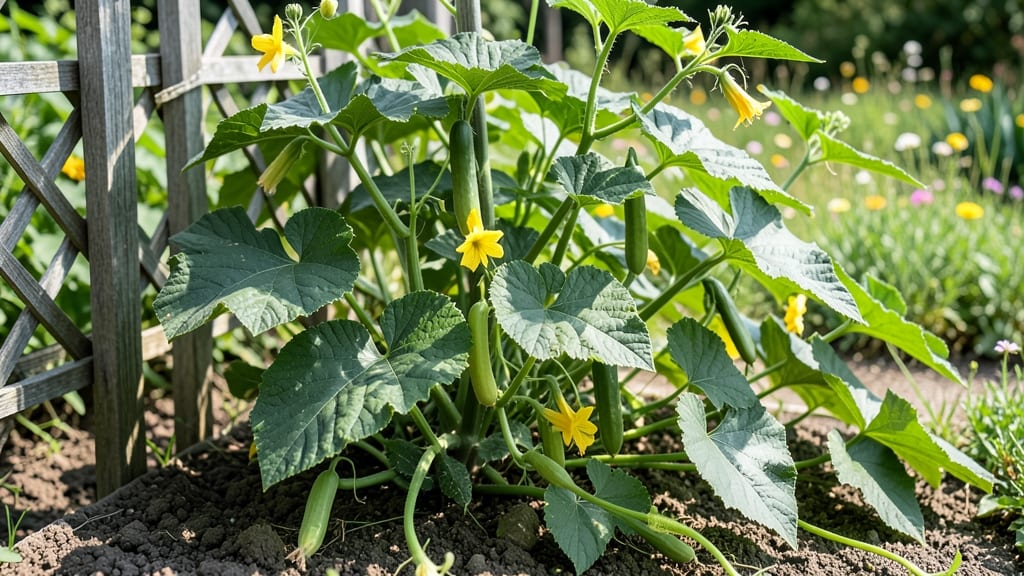
Caring for cucumber plants turns your garden into a refreshing jungle of crisp, vine-ripped produce—if you nail just a few key steps. 🌱 I’ve grown them for years, and the secret isn’t complicated: it’s about consistent moisture, sunny spots, and knowing when to prune (or not).
Skip the guesswork, and you’ll end up with bushy vines producing cucumbers all summer long—no fancy equipment needed.
Start with well-draining soil mixed with compost (they hate soggy roots) and plant in a spot where they’ll get at least 6-8 hours of sun daily. Trellises or cages save space and keep fruits clean, but if you prefer sprawling vines, just give them 3-4 feet of width.
Watering’s the trickiest part: keep soil evenly moist (not soggy), and aim for 1-2 inches per week. Mulch helps retain moisture and keeps weeds at bay—game-changer for lazy gardeners.
Pruning isn’t mandatory, but if you want bigger, cleaner cucumbers, pinch off side shoots when vines hit the trellis. Watch for powdery mildew (white dust on leaves) or cucumber beetles—neem oil or row covers handle both.
Harvest when cucumbers are firm and bright green (or whatever color your variety promises), and pick often—overripe cucumbers mean fewer future fruits.
This method works for bush or vining varieties, containers or in-ground beds, and even small balconies with the right setup. By midsummer, you’ll be harvesting crisp, homegrown cucumbers—no store-bought blandness here. Let’s get those vines thriving!
📚 In This Guide
- What you need
- Instructions
- Tips and common mistakes
- Wrapping up and next steps
What you need
- ● Cucumber seeds or seedlings: Choose disease-resistant varieties like 'Straight Eight,' 'Lemon Cucumber,' or 'Marketmore.' Start with 3-5 seeds per spot (or 1-2 seedlings) for optimal yields.
- ● Well-draining potting mix or garden soil: 6-8 inches deep for containers; enrich with compost (aim for 20-30% compost by volume). For poor soil, mix in 1-2 cups of perlite or vermiculite per 5-gallon pot.
- ● Container or garden plot: Containers: At least 5-gallon pots (bigger is better—10+ gallons for vining varieties). Use pots with drainage holes!
- ● Garden beds: 6-12 inches wide rows, spaced 3-5 feet apart to allow airflow.
- ● Fertilizer: Balanced 10-10-10 or organic options like compost tea, worm castings, or a slow-release granular fertilizer (follow package rates).
- ● Mulch: 2-3 inches of straw, grass clippings, or shredded leaves to retain moisture and suppress weeds.
- ● Hand trowel or transplanting spade (for digging holes or containers).
- ● Watering can or hose with a gentle spray nozzle (cucumbers hate soggy roots!).
- ● Pruning shears (to trim dead leaves or encourage bushier growth).
- ● Trellis, cage, or stakes (for vining varieties—4-6 feet tall structures work best).
- ○ Gloves (optional but handy for handling prickly vines or soil!).
- ● Plant markers (to label varieties if growing multiple types).
- ● Shade cloth (30-50% coverage) for hot climates to prevent bolting.
- ● Drip irrigation system (for consistent moisture without overwatering).
- ● Companion plants: Try basil, marigolds, or radishes to deter pests naturally.
- ● Epsom salt (1 tbsp per plant every 2 weeks) for a magnesium boost if leaves yellow.
Step-by-Step cucumber plant care for healthy, productive vines
Here’s how I keep cucumbers thriving with simple, science-backed techniques that prevent common pitfalls.
🌱 Step 1: Choose the Right Location and Prepare the Soil
Cucumbers crave full sun—at least 6-8 hours daily—so pick a spot where they’ll get morning light and afternoon warmth. I always test the soil first: dig a 6-inch hole, fill it with water, and wait 30 minutes. If water remains, the soil drains poorly—cucumbers hate soggy roots. Amend heavy soil with 3-4 inches of compost mixed into the top 12 inches of soil to improve drainage and fertility.
These vines also need space. For bush varieties, space plants 2 feet apart; for vining types, give them 4-6 feet and install a trellis or stakes early. I like to bury a 5-foot bamboo stake next to each plant at planting time—it saves fuss later when vines get heavy. Warm soil speeds germination, so wait until night temperatures stay above 55°F before planting.
💧 Step 2: Water Deeply and Consistently
Cucumbers have shallow roots, so water deeply 1-2 times weekly—enough to moisten the soil 6-8 inches down. I check by sticking my finger in; if the soil feels dry past 1 inch, it’s time to water. The key is consistency: fluctuating moisture leads to bitter fruit and blossom-end rot. Water at the base of the plant in the morning to prevent fungal diseases like powdery mildew, which thrives in damp foliage.
Here’s the thing—cucumbers are thirsty drinkers but hate wet leaves. Use a soaker hose or drip irrigation to deliver water directly to the roots. If you hand-water, aim the stream at the soil, not the leaves. Mulch with 2-3 inches of straw or shredded leaves to retain moisture and keep roots cool. This step alone cuts watering time in half while preventing cracked fruit.
☀️ Step 3: Support Vines and Prune for Airflow
Train vines onto trellises or stakes as soon as they’re 6 inches tall. I gently tie each main stem to the support with soft plant ties (not wire, which can damage tender stems). Vertical growth saves garden space and improves airflow, which prevents diseases. For bush varieties, pinch off the main stem when it reaches 12 inches to encourage bushier growth—this boosts fruit production.
Watch for side shoots (small stems growing from leaf axils). On vining types, remove all but 2-3 of the strongest side shoots to direct energy into fruit production. On bush types, leave more side shoots but prune weak ones. Always use clean, sharp pruners and make cuts just above a leaf node to avoid leaving stubs that invite rot. This pruning habit keeps plants productive for weeks longer.
✂️ Step 4: Fertilize and Monitor for Pests/Diseases
Feed cucumbers with a balanced fertilizer (like 10-10-10) at planting, then again when flowers appear. I switch to a low-nitrogen, high-phosphorus fertilizer (5-10-10) when fruit sets to encourage sweet, healthy growth. Over-fertilizing with nitrogen leads to leafy vines and few cucumbers—so follow package rates exactly. Side-dress with compost tea every 2-3 weeks for a gentle nutrient boost without burning roots.
Keep an eye out for cucumber beetles, aphids, or powdery mildew. I spray neem oil weekly as a preventative—it’s organic, safe, and deters pests before they become a problem. If you spot yellowing leaves, check for downy mildew (fuzzy gray patches on undersides). Remove infected leaves immediately and improve airflow by pruning crowded vines. Healthy plants develop a thick, waxy skin that resists pests naturally.
🌿 Step 5: Harvest at Peak Ripeness for Continuous Production
Harvest cucumbers when they’re firm, bright green, and 6-8 inches long—this encourages more fruit to set. I pick every 2-3 days during peak production to prevent overripe cucumbers from sapping the plant’s energy. Use clean pruners or scissors to avoid damaging vines, and always cut the fruit with ¼ inch of stem attached. This small habit keeps plants productive for 8-10 weeks instead of just a few.
Watch for bloom-end rot (blossom-end darkening) as a sign of uneven watering or calcium deficiency. If it happens, reduce watering slightly and side-dress with crushed eggshells (a natural calcium source). Store harvested cucumbers in the fridge for 5-7 days—but eat them fresh when possible. The first harvest is always the sweetest, and consistent picking keeps the plant motivated to produce.
Tips & tricks for thriving cucumber vines
A few simple strategies that'll transform your cucumber plants from struggling vines to prolific producers.
Soil Test Accuracy: That 30-minute soil drainage test in Step 1 is non-negotiable. I've seen gardeners skip it and end up with plants that wilt despite regular watering. For even more precision, use a moisture meter—it'll show you exactly how quickly water drains through your soil profile. The goal is to mimic the cucumber's natural preference for well-draining, slightly moist conditions that prevent both drought stress and root rot.
Pruning Precision: When you're pruning those side shoots in Step 3, look for the small leaf axils where new growth emerges. These are your pruning targets. I use a pair of clean, sharp scissors to make clean cuts just above these nodes—this prevents disease entry points and encourages stronger regrowth. For vining types, leaving just 2-3 strong side shoots redirects the plant's energy from excessive foliage to fruit production, which is exactly what we want for that continuous harvest.
Watering Consistency: The 1-2 times weekly watering guideline in Step 2 works best when you actually check soil moisture. I've found that many gardeners overestimate their plants' thirst. Instead of watering on a schedule, stick your finger 1-2 inches into the soil—if it feels dry, that's your cue. Morning watering is critical because it gives foliage time to dry during the day, reducing the risk of fungal diseases that thrive in damp conditions. This simple habit prevents blossom-end rot and keeps your cucumbers sweet and crisp.
Fertilizer Timing: That switch to low-nitrogen, high-phosphorus fertilizer in Step 4 when fruit sets is a game-changer. I've seen plants with lush green leaves but no cucumbers because they were over-fertilized with nitrogen. The key is to follow package rates exactly—more isn't better when it comes to fertilizer. For an extra boost, I mix compost tea with water (1:1 ratio) and apply it as a foliar spray every 2-3 weeks. This provides micronutrients without the risk of burning roots that can come with concentrated fertilizers.
Pro Tips for Cucumber Plant Care
- A few simple strategies that'll transform your cucumber plants from struggling vines to prolific producers.
- Soil Test Accuracy: That 30-minute soil drainage test in Step 1 is non-negotiable.
- Pruning Precision: When you're pruning those side shoots in Step 3, look for the small leaf axils where new growth emerges.
Frequently asked questions
Got questions about keeping your cucumber plants happy? You’re not alone! Here are some of the most common concerns—plus quick, no-fuss solutions to keep your vines thriving.
How often should I water cucumber plants?
Cucumbers need consistent moisture—about 1 to 2 inches of water per week, especially during flowering and fruiting. Water at the base (not the leaves) to prevent disease, and aim for early morning to reduce evaporation. Pro tip: Mulch around the base to lock in moisture!
When is the best time to harvest cucumbers?
Harvest when cucumbers are firm, bright green, and 6–8 inches long (check your variety’s ideal size!). Use pruning shears or a sharp knife to avoid damaging the vine. Wait too long? They’ll turn yellow, bitter, or seedy—so check them every 2–3 days!
What do I do if my cucumber leaves have holes or yellow spots?
Holes or yellowing leaves often mean pests (like cucumber beetles) or fungal issues (e.g., powdery mildew). Act fast:
- Pests: Handpick beetles or use neem oil as a natural repellent.
- Fungus: Improve airflow, remove infected leaves, and spray with baking soda solution (1 tsp baking soda + 1 quart water + a drop of dish soap).
Can I grow cucumbers in containers? What size pot do I need?
Cucumbers thrive in 5-gallon containers or larger (bush varieties need less space than vining types). Use a well-draining potting mix and a trellis or cage to save space. Bonus: Container plants are easier to rotate for sunlight!
What can I plant near cucumbers to improve growth?
Cucumbers love companion plants like:
- Beans or peas (fix nitrogen in the soil).
- Marigolds (repel pests naturally).
- Avoid planting near potatoes or sage—they compete for nutrients or stunt growth.
Wrapping up and next steps
Caring for a thriving cucumber plant is all about patience, consistency, and a little love—just like nurturing any green friend! 🌱 With the right soil, sunlight, and watering routine, you’ll soon be harvesting crisp, delicious cucumbers in no time. Remember, even the best gardeners started somewhere!
Now that you’re armed with all the tips, why not take the next step? Grab those seeds, find a sunny spot, and start your cucumber adventure today. Happy growing—and may your vines be bountiful! 🌿✨