
Plants
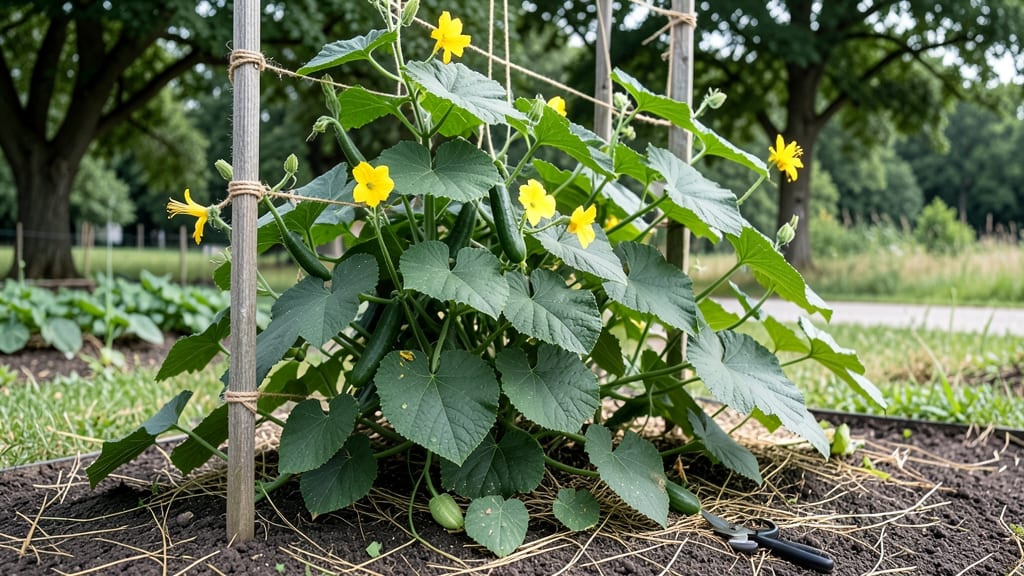
Fast-germinating cucumber-like veggies are the secret weapon of summer gardens. 🌱 I’ve grown everything from zucchini to melons on poles, and these varieties sprout in 3-5 days—no waiting months for harvests.
The key? Picking the right types (like 'Straight Eight' cucumbers or 'Early Prolific' squash) and giving them the right conditions.
These plants thrive in full sun (6+ hours daily) and well-draining soil mixed with compost. Water consistently—1-2 inches per week—but avoid soggy roots. Trellising saves space and keeps fruits clean, while companion plants like nasturtiums deter pests. My pole gardens produce 2-3x more than ground-planted rows.
Harvest starts in 4-6 weeks for some varieties, and the taste? Nothing beats homegrown. Zucchini gets tender when 6-8 inches long, while cucumbers shine when picked young. The best part? These plants keep producing all summer if you stay on top of watering and pests.
Perfect for small spaces, containers, or crowded yards. Whether you’re growing bush types or vines, these tips cut down on failures and boost yields. Let’s get those seeds in the ground!
Why Your Garden Produces Cucumber-Like Vegetables
If your pole garden is yielding veggies that resemble cucumbers—whether you planted them or not—there’s usually a clear (and often surprising) reason behind it. These unexpected harvests often stem from a mix of natural behaviors, gardening oversights, or even sneaky plant cross-pollination.
Let’s break down the most common causes and why they happen, so you can take control of your garden’s destiny.
One of the simplest (yet frustrating) reasons for cucumber-like veggies popping up is seed confusion. Whether you accidentally planted the wrong seeds, reused old packets with mislabeled varieties, or bought seeds from an unreliable source, the result can be a garden full of surprises.
Some seeds, like those from Cucumis species (including cucumbers, melons, and even some squash), can look eerily similar in their early stages, making it easy to mix them up.
Why it happens:
- Seed packet errors: Many gardeners reuse seed packets year after year, and over time, labels fade or get smudged. A packet labeled "zucchini" might actually contain cucumber seeds—or worse, a hybrid that behaves unpredictably.
- Batch contamination: If seeds are stored together (e.g., in a shared drawer or bag), cross-contamination can occur, especially with small, round seeds like those of cucumbers, squash, or even some herbs.
- Wild or volunteer plants: Some cucumber-like plants, such as Cucumis hardwickii (a wild relative of cucumbers), can sprout in gardens unintentionally. These "volunteers" might not produce edible fruit but can still confuse you into thinking you planted them.
Actionable fix: Always buy fresh seeds from reputable suppliers, double-check labels, and store seeds in airtight containers labeled with the variety and year. If you’re unsure, do a quick Google Images search of the seed before planting to confirm its appearance.
If you’ve intentionally planted cucumbers, melons, or squash in your pole garden, you might be dealing with unwanted cross-pollination—where pollen from one plant fertilizes the flowers of another, leading to hybrid or unexpected traits.
This is especially common in the Cucurbitaceae family (which includes cucumbers, squash, melons, and pumpkins), as their flowers are easily accessible to pollinators like bees.
Why it happens:
- Close proximity: If you’ve planted different cucumber varieties (or even unrelated squash/melons) within 50–100 feet of each other, bees and other pollinators can transfer pollen between them. This can result in fruit that looks like a mix—e.g., a cucumber with striped skin or a melon with bumpy texture.
- Shared pollinators: Bees and butterflies don’t discriminate—they’ll visit the nearest flowers, regardless of your planting plan. If your garden is small or densely packed, cross-pollination is almost guaranteed.
- Wind or water dispersal: In some cases, pollen can travel via wind or even splashing water (like from irrigation), leading to accidental fertilization.
Actionable fix:
- Isolate cucurbit plants by variety if you’re growing multiple types. Use row covers or physical barriers (like mesh screens) to block pollinators during flowering.
- Hand-pollinate flowers using a small brush or cotton swab if you want to control breeding. This is common in seed-saving operations.
- Avoid planting cucumbers, squash, and melons too close together—aim for at least 10–15 feet of separation between different varieties.
Even if you didn’t plant them, cucumber-like veggies can sprout from stored seeds in the soil or dropped fruit from last year. Many cucurbit seeds remain viable for years, lying dormant until conditions are just right.
If your garden has hosted cucumbers, melons, or squash before, you might be dealing with volunteer plants—unwanted seedlings that pop up on their own.
Why it happens:
- Seed longevity: Cucumber and squash seeds can stay alive in the soil for 3–5 years (or even longer in ideal conditions). If you’ve grown these plants before, leftover seeds can sprout when temperatures and moisture align.
- Animal dispersal: Birds, squirrels, or even deer might have eaten cucumber-like fruit and dropped seeds elsewhere in your garden. These seeds can germinate in spring, leading to surprise plants.
- Compost or manure contamination: If you’ve used compost or aged manure in your garden, it might contain viable cucurbit seeds from previous plantings or even wild sources.
Actionable fix:
- Remove all cucurbit plants (including vines and fruit) from your garden at the end of the season to prevent seed drop.
- Avoid composting cucumber or squash waste—either discard it in the trash or freeze it to kill seeds before composting.
- If volunteer plants keep appearing, try deep tilling in the off-season to bury seeds deeper, where they’re less likely to germinate.
Sometimes, cucumber-like veggies (or veggies that look like cucumbers) appear due to environmental stress on the plant. Extreme heat, poor soil conditions, or nutrient deficiencies can cause plants to develop unusual traits, such as elongated fruit, bitter flavors, or even cucumber-like shapes in unrelated vegetables.
Why it happens:
- Heat stress: In hot climates, some plants (like tomatoes or peppers) may produce small, malformed fruit that resembles cucumbers. This happens because high temperatures disrupt normal growth hormones, leading to stunted or oddly shaped produce.
- Nutrient imbalances: A lack of boron or calcium can cause blossom-end rot or deformed fruit in tomatoes, peppers, and squash. In extreme cases, this can make fruit look cucumber-like (e.g., elongated and smooth).
- Water fluctuations: Too much or too little water can stress plants, leading to irregular growth. For example, zucchini plants under water stress might produce small, cucumber-shaped fruit instead of their usual blocky shape.
- Soil pH issues: If your soil is too acidic or alkaline, it can lock out essential nutrients, causing plants to develop odd traits. Cucurbit plants, in particular, prefer a pH of 6.0–6.8—outside this range, growth can become erratic.
Actionable fix:
- Monitor soil moisture and water consistently—aim for 1–1.5 inches per week, adjusting for rain.
- Test your soil’s pH and amend it with lime (to raise pH) or sulfur (to lower pH) if needed.
- Fertilize with a balanced organic fertilizer (like 5-5-5) and add calcium-rich amendments (e.g., crushed eggshells or gypsum) to prevent deficiencies.
- Use shade cloth in extreme heat to protect
Fixing Common Growing Challenges
Growing a cucumber-like veggie in pole gardens can be incredibly rewarding, but even the hardiest plants face hiccups. Below, we’ve mapped out the most common issues—from stunted growth to pests—and provided practical, step-by-step fixes to get your garden thriving again.
Prevention tips are included so you can avoid these problems in future harvests!
Cause: Poor soil nutrition, overcrowding, or inadequate sunlight.
How to Fix It:
- 🔥 Boost Soil Health – Amend your soil with compost or a balanced organic fertilizer (10-10-10) to replenish nutrients. Cucumber-like veggies (think zucchini, cucumbers, or summer squash) thrive in well-draining, nutrient-rich soil.
- 👨🍳 Thin Seedlings – If plants are too close, gently remove weaker seedlings to give remaining ones 12–24 inches of space (depending on variety).
- ☀️ Maximize Sunlight – Ensure your pole garden gets at least 6–8 hours of direct sunlight daily. If shade is an issue, trim nearby trees or relocate the garden.
💡 Prevention Tip:
- Test your soil before planting (pH 6.0–6.8 is ideal) and mulch to retain moisture and suppress weeds.
Cause: These pests love tender young leaves and can decimate your plants quickly.
How to Fix It:
- 🔪 Handpick & Remove – Check leaves daily for aphids (tiny green/black clusters) or squash bugs (flat, gray-brown). Drop them into soapy water.
- 🍳 Spray Homemade Repellents –
- Neem oil spray (1 tbsp neem oil + 1 tsp mild soap + 1 quart water) – spray early morning/evening.
- Garlic or chili pepper spray (blend 2 garlic cloves + 1 tbsp cayenne + 1 quart water; strain and spray).
- 🛡️ Use Row Covers – Lightweight fabric covers can block beetles while allowing sunlight and water through.
💡 Prevention Tip:
- Plant companion crops like nasturtiums or marigolds near your cucumber-like veggies—they repel pests naturally!
Cause: Calcium deficiency, often due to inconsistent watering or poor soil structure.
How to Fix It:
- 💧 Water Consistently – Keep soil evenly moist (not soggy or dry). Drip irrigation works best to avoid fluctuations.
- 📊 Add Calcium – Sprinkle crushed eggshells or gypsum around the base of plants. You can also use a calcium nitrate supplement (follow package instructions).
- 🌱 Improve Soil Drainage – If your garden stays waterlogged, mix in sand or perlite to aerate the soil.
💡 Prevention Tip:
- Mulch heavily to retain moisture and prevent calcium leaching.
Cause: Overwatering, underwatering, or lack of key nutrients (nitrogen, magnesium, iron).
How to Fix It:
| Symptom | Likely Cause | Solution |
|---|---|---|
| Yellow lower leaves | Nitrogen deficiency | Apply blood meal or fish emulsion (high in nitrogen). |
| Yellow veins, green patches | Magnesium deficiency | Sprinkle Epsom salt (1 tbsp per gallon of water) every 2 weeks. |
| Yellow leaves with brown spots | Iron deficiency | Use chelated iron or spray with iron sulfate. |
💡 Prevention Tip:
- Rotate crops annually to prevent nutrient depletion in the soil.
Cause: Temperature stress, over-fertilizing with nitrogen (promotes leaves, not fruit), or lack of pollinators.
How to Fix It:
- 🌡️ Ensure Proper Temperatures – Most cucumber-like veggies need warm soil (60°F+) and daytime temps above 70°F to flower. Use row covers if nights are too chilly.
- 🍳 Balance Fertilizer – Switch to a low-nitrogen, high-phosphorus fertilizer (like 5-10-10) to encourage blooming.
- 🐝 Hand-Pollinate – If bees aren’t visiting, gently tap flowers with a small brush or toothbrush to transfer pollen.
💡 Prevention Tip:
- Plant heat-tolerant varieties (like ‘Straight Eight’ cucumbers or ‘Gold Rush’ zucchini) if your climate swings.
✅ Train vines early – Guide them up trellises or poles within the first week to save energy. ✅ Prune regularly – Remove yellow leaves or suckers (side shoots) to redirect energy to fruit production. ✅ Harvest often – Pick fruits frequently (every 2–3 days) to encourage more production.
With these fixes, your cucumber-like veggies should be climbing, blooming, and bursting with flavor in no time! 🌿🍉
Frequently asked questions
What are the fastest-growing cucumber-like veggies for pole gardens?
'Straight Eight' cucumbers and 'Early Prolific' zucchini sprout in just 3-5 days and thrive on trellises. They produce quickly, with cucumbers ready in 4-6 weeks and zucchini in 50-60 days. For melons, try 'Minnesota Midget' cantaloupe—it germinates fast and climbs well.
Can I grow cucumber-like veggies in containers?
Use 5-gallon containers for bush varieties like 'Bush Champion' cucumbers or 'Eight Ball' zucchini. For vining types, choose deep pots (10+ gallons) and provide sturdy trellises. Ensure containers have drainage holes and use light, well-draining potting mix.
How do I tell the difference between cucumbers and zucchini seedlings?
Cucumber seedlings have hairy stems and lobed leaves, while zucchini stems are smooth and leaves are more rounded. Check the seed packet—cucumber seeds are flat and oval, while zucchini seeds are more rounded. Early identification helps prevent mix-ups in your pole garden.
Why are my cucumber-like plants flowering but not producing fruit?
This usually means lack of pollinators or temperature stress. Hand-pollinate flowers with a small brush, and ensure daytime temps stay above 70°F. If nights are too cool, use row covers. Also check for over-fertilizing with nitrogen—switch to a low-nitrogen, high-phosphorus fertilizer to encourage blooming.
What's the best companion plant for cucumber-like veggies?
Plant nasturtiums or marigolds nearby—they repel pests like aphids and squash bugs. Beans and peas also work well, as they fix nitrogen in the soil. Avoid planting near potatoes or aromatic herbs (like dill), which can stunt growth.