
Container Gardens
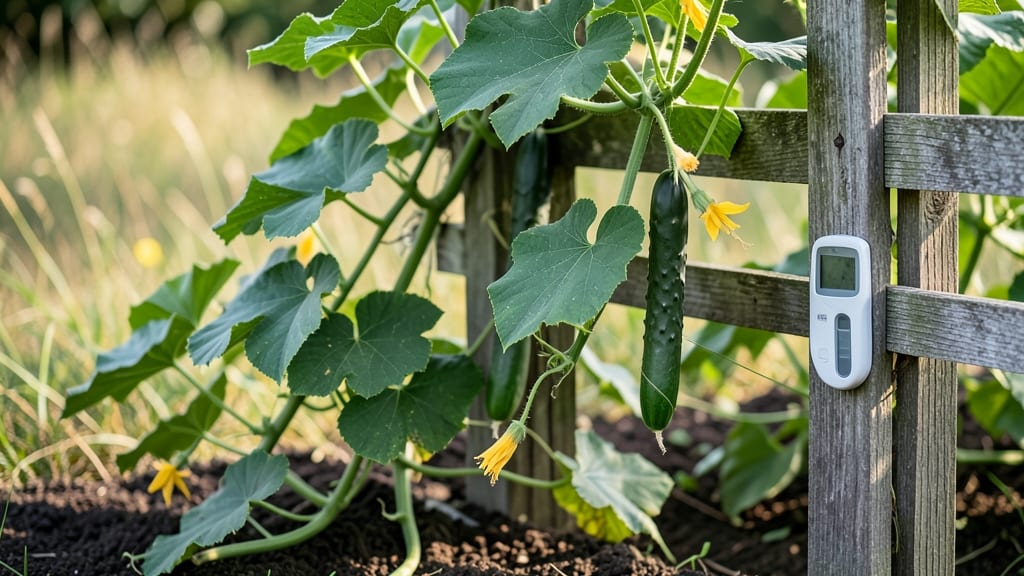
Growing cucumbers at the right temperature is the difference between a bountiful harvest and a sad, wilted plant 🥒 — and it starts with knowing exactly what your cucumbers need at each stage.
Struggling to grow cucumbers that thrive from seed to harvest? Temperature control is the silent game-changer—get it wrong, and your plants will wilt before they even produce fruit. Even a few degrees off can stall germination, stunt growth, or cause blossoms to drop.
From the moment you plant those seeds, your cucumbers need a precise balance: 60°F (15°C) or warmer for germination, 70-80°F (21-27°C) for vigorous growth, and never dipping below 50°F (10°C) once they flower. Indoor growers face extra challenges, while outdoor gardeners must watch for sudden heatwaves or late frosts.
In this guide, I’ll break down the ideal temperatures for every growth stage—plus practical fixes for when things go wrong. Whether you’re battling a cold snap or a scorching summer, you’ll learn how to protect your plants and keep them producing crisp, flavorful cucumbers all season long.
Optimal cucumber growing temperature by growth stage
Cucumbers are warm-season crops that thrive when temperatures align with their natural growth cycles. Unlike cool-weather plants, they won't germinate or produce fruit in cold soil, making temperature control critical from seed to harvest. Understanding these stage-specific ranges helps prevent common issues like slow germination or blossom-end rot.
Each growth stage has distinct temperature needs, from the minimum 55°F (13°C) required for germination to the ideal 75-85°F (24-29°C) for fruiting. Indoor growers face unique challenges with fluctuating home temperatures, while outdoor gardeners must adapt to seasonal shifts. Let’s break down the science and practical adjustments for each phase.
During germination, cucumber seeds need warmth to break dormancy. Below 55°F (13°C), germination stalls entirely, while above 95°F (35°C), seeds may rot. I’ve found that using a seedling heat mat under indoor trays speeds up germination from 7-10 days to just 3-5 days.
For outdoor sowing, wait until soil temperatures consistently reach 60°F (15°C)—use a soil thermometer to check.
The seedling stage is when young plants establish roots and leaves. Temperatures below 50°F (10°C) cause stunted growth, while above 85°F (29°C)
In my container garden, I place seedlings near a south-facing window and supplement with a 12-hour grow light to maintain ideal conditions. Outdoor seedlings benefit from row covers during cool nights. Flowering marks the transition to fruit production, but cucumbers are sensitive to temperature fluctuations at this stage. Below 60°F (16°C)floating row covers during cool spells and hand-pollinate flowers with a small paintbrush if needed. For fruiting, cucumbers need consistent warmth to develop sweet, tender fruit. Ideal daytime temperatures of 75-85°F (24-29°C) maximize growth, while nights below 65°F (18°C)greenhouse, I monitor humidity levels closely—dry air causes bitter-tasting cucumbers. A simple pebble tray with water beneath plant containers adds needed moisture without overwatering. Outdoor garden
How to protect cucumbers from extreme heat or cold
Cucumbers are heat-loving plants, but even they struggle when temperatures swing too high or too low. Heat stress causes wilting, yellowing leaves, and bitter fruit, while cold snaps stunt growth and invite rot.
The key is proactive protection—whether you're facing a 95°F heatwave or a 40°F late frost. With the right tools and techniques, you can shield your plants and keep them producing crisp, sweet cucumbers all season.
For extreme heat, focus on shade and moisture retention. Row covers and shade cloths create a breathable barrier, while mulch keeps roots cool. In cold snaps, row covers and cloches act as insulating blankets.
The goal is to mimic the ideal 70-85°F range cucumbers thrive in, even when Mother Nature throws curveballs. Let’s break down the best solutions for both scenarios.
⚠️ Critical Temperature Thresholds for Cucumbers
Heat Stress: Temperatures above 90°F (32°C) for prolonged periods cause leaf scorch and fruit bitterness. Germination fails below 60°F (15°C), and growth stalls under 50°F (10°C). Frost (32°F/0°C) kills young plants instantly.
Action Required: Monitor forecasts and act 24-48 hours before extreme temps arrive. Prevention is easier than recovery—don’t wait until leaves curl!
Start with shade cloths rated for 30-50% sunlight reduction. These lightweight fabrics diffuse harsh rays while allowing airflow. Install them permanently over trellises or temporarily during heatwaves. Pair them with drip irrigation to keep foliage cool—water droplets act like tiny air conditioners.
For container cucumbers, move pots to shadier spots or elevate them on brick bases to improve airflow.
When cold snaps threaten, row covers are your best friend. Made from floating fabric, they trap heat while allowing sunlight. Secure edges with soil or bricks to prevent wind damage.
For young seedlings, use mini cloches or plastic domes to create microclimates. If frost is forecasted, water plants thoroughly the night before—moist soil retains heat better than dry soil.
Mulching is a year-round strategy. Apply 3-4 inches of straw or wood chips around plants to regulate soil temperature. Mulch insulates roots in cold snaps and reduces evaporation during heatwaves. For extra protection, use black plastic mulch in hot climates—it absorbs heat and warms the soil, speeding up growth. Just avoid plastic touching stems to prevent rot.
For emergency situations, like sudden freezes or scorching heat, think outside the box. Windbreaks made of burlap or cardboard shield plants from cold winds, while sprinklers create a cooling mist during heatwaves.
If a hard freeze is coming, cover plants with blankets or towels and weigh them down with bricks. Always remove covers by mid-morning to avoid overheating.
Remember, consistency is key. Check plants daily during extreme weather and adjust protections as needed. With these strategies, your cucumbers will stay healthy, productive, and stress-free—no matter what the forecast brings. Happy gardening! 🌱