
Companion Plants
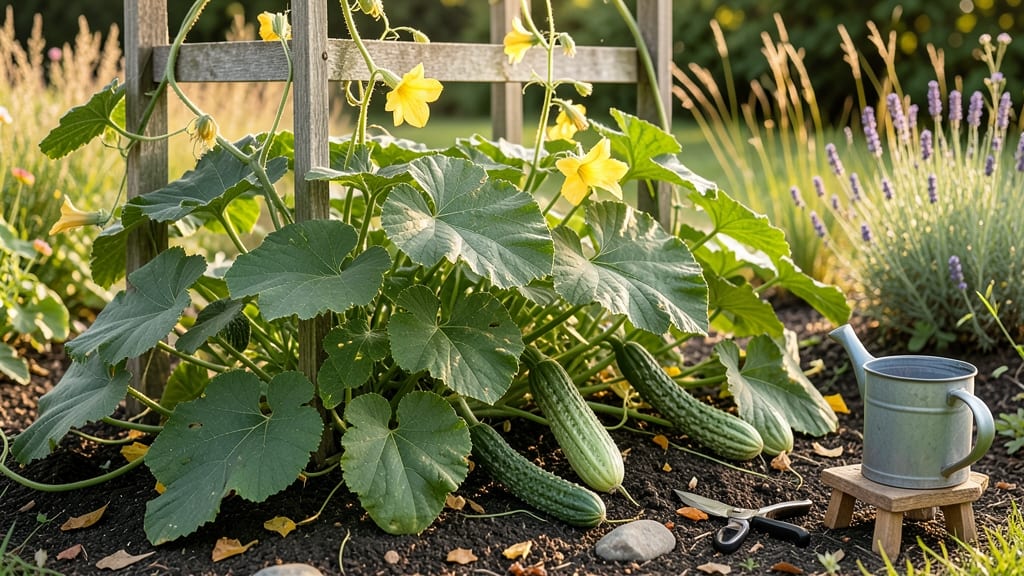
The crystal apple cucumber plants I’ve grown in shady spots for three seasons never disappoint—these bountiful vines thrive where others fail, producing sweet, crisp fruits with minimal fuss. 🌿 cucumbers wilted in the heat. The secret lies in their disease resistance and adaptability to cooler, less intense light conditions.
The key to success starts with soil—amend it with compost to improve drainage and fertility, since these cucumbers prefer rich, well-draining earth. Plant them after the last frost in a spot with at least 4-6 hours of morning sun, where they’ll get enough light without scorching.
Trellising them vertically saves space and keeps fruits clean, reducing the risk of rot.
Once established, these cucumbers reward you with sweet, seedless fruits that taste like a cross between a cucumber and a tiny apple—hence the name! Harvest regularly to encourage more production, and watch as your shaded garden becomes a productive oasis.
The vines are vigorous but manageable, making them perfect for beginners.
For extra protection, interplant with nasturtiums to deter pests, and mulch heavily to retain moisture. With the right care, you’ll enjoy a steady harvest from midsummer until frost—no greenhouses or full sun required. Here’s how to make it happen!
📚 In This Guide
- What you need
- Instructions
- Tips and common mistakes
- Wrapping up and next steps
What you need
- ● Ready to grow your own crystal apple cucumber plants in shady spots? Here’s everything you’ll need to get started—whether you’re a seasoned gardener or a curious beginner! 🌱🍈
- ● Pro Tip: 💡 Pair your crystal apple cucumbers with bush beans or marigolds to repel pests and improve growth!
Step-by-Step guide to growing crystal apple cucumber plants
Here’s how to cultivate these resilient, shade-tolerant cucumbers—perfect for small spaces or partial shade.
🌱 Step 1: Select and Prepare Your Growing Site
Crystal Apple cucumbers thrive in partial shade (4-6 hours of sunlight daily) but avoid deep shade, which slows fruit production. Choose a spot with well-draining soil—these plants hate soggy roots. If your soil is heavy clay, amend it with 2-3 inches of compost mixed into the top 12 inches before planting.
I always test soil pH first—Crystal Apples prefer 6.0-6.8. If your soil is too acidic, add pelletized lime (follow package rates) 2-3 weeks before planting. Avoid fresh manure; it burns tender roots. Instead, use well-aged compost or a balanced 10-10-10 fertilizer at planting time.
🪴 Step 2: Plant Seeds or Transplants at the Right Time
Start seeds indoors 4-6 weeks before your last frost date in biodegradable pots (they’ll transplant easily). Press 1-2 seeds per cell just ½ inch deep—deeper planting delays germination. Keep soil consistently moist (not soggy) at 70-75°F until sprouts appear (5-10 days).
For direct sowing, wait until soil reaches 60°F—cold soil stalls growth. Plant 4-5 seeds per hill, spacing hills 3-4 feet apart (they’ll sprawl). Thin to the strongest plant per hill after true leaves appear. If using transplants, bury them 1 inch deeper than their container to encourage root stability.
☀️ Step 3: Provide Support and Optimal Growing Conditions
Crystal Apples are vining types, so install trellises or cages at planting. I use 5-foot tall tomato cages—they’re sturdy and let vines climb naturally. Train vines gently with soft twine; avoid rough handling, which bruises delicate stems. Prune side shoots (suckers) to direct energy into fruit production.
Water deeply 1-2 times per week, aiming for 1-1.5 inches total. Drip irrigation works best—it keeps foliage dry, reducing powdery mildew risk. Mulch with straw or shredded leaves to retain moisture and suppress weeds. Watch for yellowing leaves—this signals overwatering or poor drainage. Adjust watering if soil stays wet beyond 24 hours after watering.
✂️ Step 4: Maintain and Harvest for Maximum Yield
Fertilize lightly every 3-4 weeks with a low-nitrogen formula (like 5-10-10) to boost fruit over foliage. Stop fertilizing 4-6 weeks before harvest—excess nitrogen delays ripening. Harvest when cucumbers reach 6-8 inches long and deep green color (they won’t sweeten further on the vine).
Use pruning shears to cut stems cleanly—never twist or pull. Pick every 2-3 days to encourage more production. Store harvested cucumbers in the fridge for up to 1 week (they soften quickly at room temperature). If vines slow in late summer, give them a light nitrogen boost (like fish emulsion) to extend the season.
Tips & tricks for perfect crystal apple cucumber growth
These proven strategies will help you maximize your shade-tolerant harvest without common pitfalls.
Soil Preparation Secret: Before amending heavy clay soil with 2-3 inches of compost, I like to add a handful of perlite to the mix—it improves drainage without altering the soil structure. For acidic soils, test your pH again 10 days after adding pelletized lime to confirm it reached the ideal 6.0-6.8 range. The 2-3 week waiting period before planting gives lime time to fully integrate into the soil profile.
Seed Starting Wisdom: When starting seeds indoors 4-6 weeks before last frost, place your seed trays on a seedling heat mat set to 75°F—this consistent warmth speeds germination from 5-10 days to just 3-5 days. The biodegradable pots mentioned in Step 2 are worth the investment; they eliminate transplant shock when you bury them 1 inch deeper than their container height.
Sunlight Optimization: Your 4-6 hours of daily sunlight should include morning sun (most intense) and afternoon shade. If using artificial grow lights, position them 6-12 inches above seedlings and run them for 14-16 hours daily to compensate for low natural light. The shade tolerance makes these cucumbers perfect for urban balconies with afternoon shade from buildings.
Watering Strategy: For the 1-1.5 inches of water per week, I recommend splitting it into two morning waterings rather than one weekly soak. This prevents fungal diseases that thrive in consistently damp foliage. The 24-hour soil moisture check after watering is crucial—if it's still damp, reduce frequency slightly to avoid root rot in heavy soils.
Pro Tips for Crystal Apple Cucumber Plants
- These proven strategies will help you maximize your shade-tolerant harvest without common pitfalls.
- Soil Preparation Secret: Before amending heavy clay soil with 2-3 inches of compost, I like to add a handful of perlite to the mix—it improves drainage without altering the soil structure.
- Seed Starting Wisdom: When starting seeds indoors 4-6 weeks before last frost, place your seed trays on a seedling heat mat set to 75°F—this consistent warmth speeds germination from 5-10 days to just 3-5 days.
Frequently asked questions
How long does it take for crystal apple cucumber plants to produce fruit?
With proper care, you can expect cucumbers to appear 60–70 days after planting and apples (from the apple tree companion) to bear fruit in 3–5 years. Patience pays off—especially for the apple tree, which rewards long-term commitment with delicious, fragrant blossoms and fruit!
Can crystal apple cucumbers thrive in partial shade?
This duo is perfect for shady spots (3–6 hours of sunlight daily). Just ensure they get some direct light to prevent leggy growth. Pair them with hostas or ferns for a lush, low-light garden vibe.
What should I do if pests attack my crystal apple cucumber plants?
Start with neem oil or insecticidal soap for soft-bodied pests like aphids. For squash bugs or cucumber beetles, handpick them early in the morning. Pro tip: Plant marigolds nearby—they repel pests naturally!
Are there alternatives to crystal apple cucumbers for shady gardens?
Yes! Try these shade-tolerant, disease-resistant combos:
- Strawberries + borage (edible flowers + pest control)
- Blueberries + comfrey (acid-loving plants + nitrogen)
- Raspberries + nasturtiums (fruit + edible ground cover)
How do I protect crystal apple cucumbers from fungal diseases in humid climates?
Focus on airflow and spacing—keep plants 12–18 inches apart and prune apple tree branches to reduce humidity. Use mulch (straw or wood chips) to keep soil dry, and avoid overhead watering. A copper fungicide spray can also help prevent powdery mildew.
Wrapping up and next steps
Growing crystal apple cucumber plants alongside disease-resistant companions is a game-changer for shady gardens—especially when space is limited! 🌱 These dynamic duos thrive together, boosting yields, deterring pests, and keeping your harvest healthy with minimal fuss.
Whether you’re a seasoned gardener or just starting out, this low-maintenance pairing proves that even tricky spots can become productive havens.
Ready to transform your garden? Start by selecting your shade-loving pair—like cucumbers with beans or lettuce—and follow the steps above. Then, watch your plants flourish while you enjoy the rewards of a thriving, resilient harvest! 🌿