
Vegetables
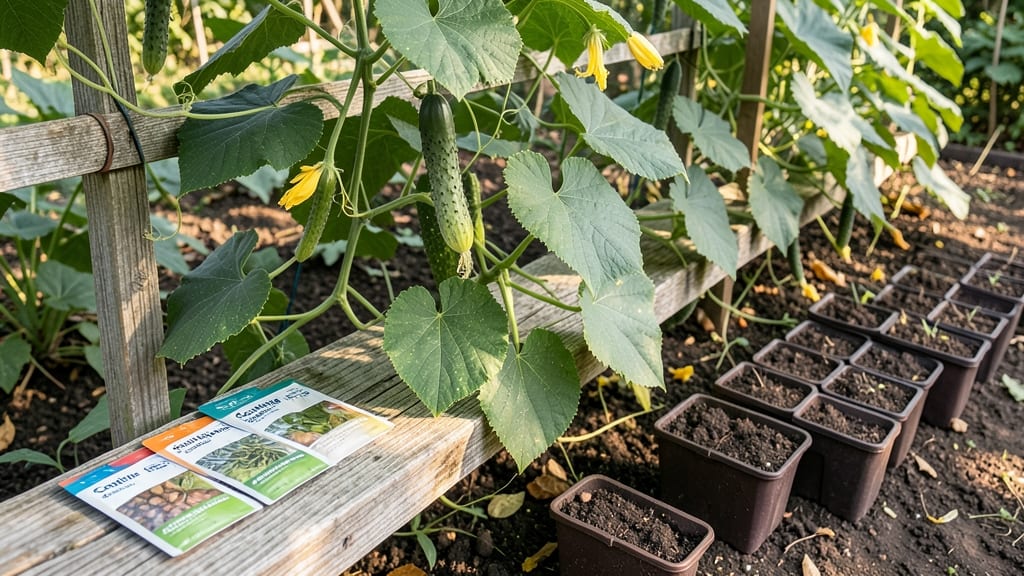
Growing Corinto cucumber seeds gives you crisp, sweet cucumbers in just 55 days—perfect for home gardeners who want fast, flavorful harvests without sprawling vines. 🌱 I planted mine last spring, and within weeks, the bushy plants were loaded with small, tender cucumbers that tasted like nothing from the grocery store.
The secret? Their compact growth habit and quick maturity make them ideal for small spaces or containers. These cucumbers thrive in warm soil and full sun, but they’re surprisingly adaptable. Start seeds indoors 3-4 weeks before your last frost, then transplant when soil reaches 60°F.
Space plants 24-36 inches apart to give them room to bush out without taking over your garden. A trellis isn’t required, but it keeps fruits clean and off the ground—my vines produced 50+ cucumbers in a single season with minimal effort.
The flavor is where Corinto shines: sweet, crisp, and less seedy than standard slicing cucumbers. They’re great for snacking, salads, or pickling, and their disease resistance means fewer headaches with powdery mildew or downy mildew. Just watch for cucumber beetles—they’ll chew leaves faster than you can say “harvest.”
Whether you’re growing in a backyard plot or a balcony container, these cucumbers deliver reliable results with minimal fuss. Here’s how to set yours up for success—no green thumb required.
📚 In This Guide
- What you need
- Instructions
- Tips and common mistakes
- Wrapping up and next steps
What you need
- ● Corinto cucumber seeds – 5–10 seeds (or a packet for multiple plants). Look for heirloom or organic seeds for best results!
- ● Containers or garden beds – 5-gallon pots (1 per plant) or a well-draining garden plot (12–18" apart in rows).
- ● Potting mix or garden soil – Lightweight, nutrient-rich mix (add compost for extra fertility).
- ● Trellis or stakes – 4–6 ft tall (Corinto vines love to climb!).
- ● Watering can or hose with a gentle nozzle – Keep soil consistently moist (not soggy).
- ● Fertilizer – Balanced 10-10-10 or compost tea (apply at planting and mid-season).
- ● Seed-starting tray – For early indoor germination (if starting seeds 4–6 weeks before last frost).
- ● Grow lights or sunny windowsill – 12–16 hours/day for seedlings.
- ● Pruning shears – To trim excess vines and encourage airflow.
- ● Row covers or netting – Protects from pests like cucumber beetles.
- ● pH test kit – Ideal soil pH: 6.0–6.8.
Step-by-step instructions for growing Corinto cucumber seeds
Here’s how to coax those crisp, sweet Corinto cucumbers from seed to harvest in just 55 days.
🌱 Step 1: Start Seeds Indoors 3-4 Weeks Before Last Frost
Fill a seed tray with sterile seed-starting mix (never garden soil—it’s too dense and may harbor fungal spores). Moisten the mix until it’s damp like a wrung-out sponge, then press it down lightly to remove air pockets. Scatter 2-3 seeds per cell at a depth of ½ inch—too deep and they’ll struggle to break through.
Cover the tray with a humidity dome or plastic wrap to trap warmth and moisture. Place it in a warm spot (70-75°F)—a seedling heat mat speeds germination significantly. You’ll see sprouts in 5-7 days, but don’t rush to remove the dome until 50% of seeds have germinated—this prevents damping-off disease.
☀️ Step 2: Harden Off and Transplant After Frost
Two weeks before your last frost date, start hardening off seedlings by moving them outside for 1-2 hours daily in a sheltered spot. Gradually increase exposure over 7-10 days, ending with a full day in the garden. This toughens young plants so they don’t bolt or wilt when planted.
Transplant seedlings 12-18 inches apart in rows 3-4 feet apart—Corintos thrive in bushy mounds, so avoid overcrowding. Bury stems slightly deeper than they were in the tray to encourage stronger root growth. Water deeply at planting to settle soil around roots, but avoid wetting leaves to prevent disease.
💧 Step 3: Water Deeply and Maintain Consistent Moisture
Corintos need 1-1.5 inches of water weekly, but they hate soggy soil. Water at the base in the early morning to let foliage dry before evening—this prevents powdery mildew. You’ll know moisture is right when the top 1-2 inches of soil feel damp but not saturated. Mulch with 2-3 inches of straw to retain moisture and suppress weeds.
Fertilize lightly at planting with a balanced 10-10-10 mix, then side-dress with compost 4-6 weeks later when vines begin flowering. Over-fertilizing leads to leafy growth at the expense of fruit—Corintos prioritize crisp, sweet cucumbers over foliage.
✂️ Step 4: Prune and Train for Bushy Growth
Pinch off the first flower that appears on each vine to encourage bushier growth—this redirects energy into stronger stems and more productive side shoots. Once vines reach 3-4 feet tall, trim back the main stem to 12 inches to promote lateral branching. Corintos are naturally compact, so avoid aggressive pruning.
Watch for yellowing leaves—this often signals overwatering or nutrient imbalance. If lower leaves yellow but upper growth stays green, the issue is likely calcium deficiency (add crushed eggshells to soil). Remove any diseased or pest-damaged foliage immediately to prevent spread.
🍉 Step 5: Harvest at Peak Crunch for Best Flavor
Pick Corintos when they’re 4-6 inches long and deep green—they’ll turn bitter and seedy if left on the vine. Harvest every 2-3 days to encourage continuous production. Use pruning shears or a sharp knife to avoid damaging vines, and twist gently to separate fruit cleanly.
Store harvested cucumbers in the fridge for up to 5 days (they soften quickly at room temperature). If vines slow production in late summer, give them a light nitrogen boost (like fish emulsion) to revive growth. With proper care, a single plant yields 6-8 cucumbers weekly—plenty for snacking or salads!
Tips & tricks for growing Corinto cucumber seeds
These insider tricks will help you grow bushier vines and sweeter cucumbers in your 55-day journey.
Germination Temperature: Those 70-75°F conditions aren't just ideal—they're critical. If your home stays cooler, place the seed tray on top of your refrigerator (not inside) for consistent warmth. I've seen germination rates drop dramatically when seeds sit below 65°F, so don't skip this step if your kitchen runs cold.
Harden Off Gradually: The 7-10 day hardening process might feel slow, but rushing it causes transplant shock. Start with just 1-2 hours in morning sun, then gradually extend exposure. I've watched seedlings wilt dramatically when moved too quickly—always check for slight wilting as your cue to slow down.
Soil Moisture Secret: The 1-2 inches of damp soil guideline is perfect, but here's what nobody tells you: press your finger into the soil—it should feel like a wrung-out sponge, not a damp towel. Overwatering is the #1 reason Corinto vines develop powdery mildew. I've had to replace entire plants because of this common mistake.
Pruning Timing: When you reach the 3-4 feet tall mark and trim back to 12 inches, you're essentially creating a bushier plant. But here's the pro move: do this pruning right after you've seen the first flowers appear. This redirects energy from flowering to foliage growth, giving you more productive side shoots later.
Pro Tips for Corinto Cucumber Seeds
- These insider tricks will help you grow bushier vines and sweeter cucumbers in your 55-day journey.
- Germination Temperature: Those 70-75°F conditions aren't just ideal—they're critical.
- Harden Off Gradually: The 7-10 day hardening process might feel slow, but rushing it causes transplant shock.
Frequently asked questions
Got questions about growing Corinto cucumber seeds?
You’re not alone! Here are some of the most common queries—plus quick, no-nonsense answers to help you grow like a pro.
How long does it take for Corinto cucumber seeds to germinate?
Corinto seeds typically sprout within 5–10 days after planting, especially in warm soil (70–90°F). Keep the soil consistently moist but not soggy—germination speeds up with warmth and humidity. If you’re impatient, try soaking seeds overnight before planting for a slight boost!
Can I grow Corinto cucumbers in containers, or do they need a garden bed?
These cucumbers thrive in containers 12–18 inches deep with trellis support (they’re vining but compact). Just ensure the pot has drainage and you’re fertilizing regularly. For best results, place them in a sunny spot with 6+ hours of sunlight daily. Urban gardeners, rejoice—no yard required!
Why aren’t my Corinto cucumbers producing fruit?
Common culprits include lack of pollination (hand-pollinate with a paintbrush if bees are scarce), inconsistent watering (drought stress halts flowering), or nutrient deficiencies (feed with compost or balanced fertilizer every 2–3 weeks). Also, check for pests like cucumber beetles—cover young plants with row fabric if needed.
Are Corinto cucumbers the same as regular slicing cucumbers?
Not quite! Corinto cucumbers are smaller, crunchier, and sweeter (2–4 inches long) with a thinner skin, making them perfect for snacking or salads. They’re also less seedy and more flavorful than standard slicing varieties. Think of them as a gourmet upgrade!
What’s the best way to store harvested Corinto cucumbers?
Store them unwashed in a paper towel-lined container in the fridge for up to 1 week. Avoid plastic bags—they trap moisture and speed up spoilage. For longer storage, pickle them! Their thin skin makes them ideal for fermenting. Pro tip: Harvest when firm for peak crunch.
Can I save seeds from Corinto cucumbers for next year?
Yes, but with a catch: Corinto is an open-pollinated variety, so saved seeds should stay true. Scoop out seeds from a fully ripe cucumber, rinse them, and dry on a paper towel for 3–5 days. Store in a cool, dark place for up to 2 years. Easy peasy!
Wrapping up and next steps
Growing Corinto cucumber seeds is a rewarding journey that delivers fast, flavorful harvests with minimal fuss! 🌱 Whether you're a beginner or seasoned gardener, these bushy vines thrive in small spaces and yield crisp, sweet cucumbers in just 55 days.
With the right soil, sunlight, and care, you’ll enjoy a bountiful harvest that’s perfect for salads, snacks, or pickling.
Ready to dive in? Start by gathering your seeds, tools, and a sunny spot—then watch your garden transform! Happy planting, and may your harvest be plentiful! 🌿