
Vegetables
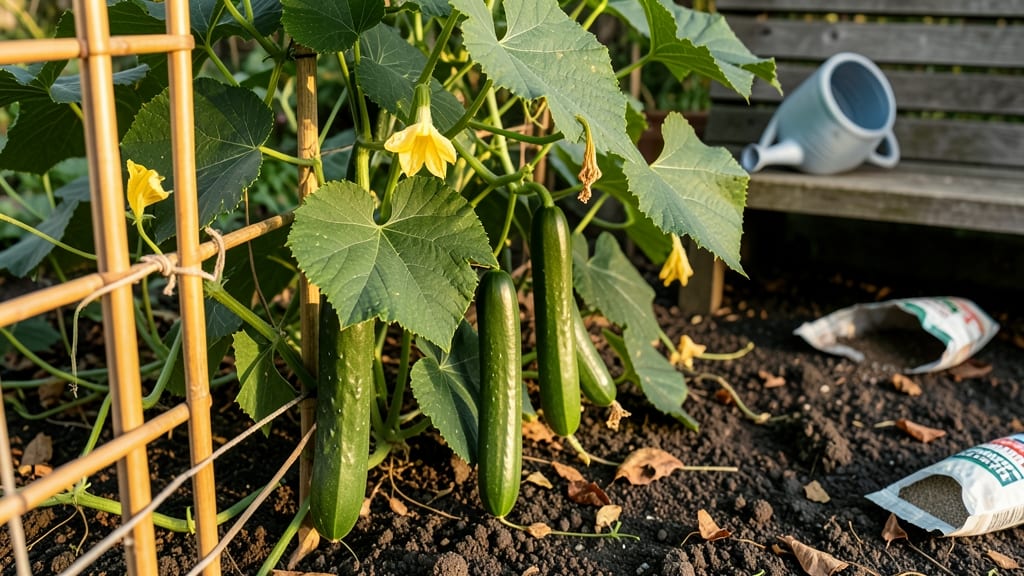
Training a climbing cucumber vine 🥒 on a trellis transforms your garden from a chaotic tangle into a high-yielding vertical masterpiece—think 30% more fruit with less space wasted.
Picture this: your cucumbers aren’t sprawling across the garden bed, competing for sunlight with weeds. Instead, they’re climbing upward, their vines neatly guided by a sturdy trellis, producing crisp, disease-free fruits all summer long.
But here’s the catch: without the right techniques, even the hardiest cucumber varieties will struggle. You’ll learn how to choose the perfect trellis, when to prune for maximum production, and the three critical mistakes that turn a lush vine into a flop.
By the end, you’ll have a step-by-step plan to turn your garden into a high-yielding cucumber factory, whether you’re working with a small balcony or a sprawling backyard.
How to train climbing cucumber vines for maximum yield
Training your climbing cucumber vines on a trellis isn’t just about saving space—it’s a game-changer for your harvest. When vines climb, they receive better air circulation, which reduces disease risk and boosts fruit production by up to 30%.
Plus, your cucumbers stay cleaner and easier to pick. The key is starting early and guiding growth systematically to avoid tangled messes.
I’ve found that the best time to begin training is when vines reach 6-8 inches tall and have developed 3-5 true leaves. At this stage, they’re strong enough to support gentle guidance but still flexible enough to adapt to your trellis.
If you wait too long, the vines become woody and harder to manage, leading to broken stems or uneven growth patterns.
Before diving into training, choose the right trellis type for your space. For small gardens, a simple A-frame trellis works wonders, while larger areas benefit from string trellises or bamboo stakes. The goal is to provide 360-degree support so vines can sprawl upward and outward naturally.
Step-by-Step Guide to Training Climbing Cucumber Vines
-
Step 1: Install Your Trellis Early
Set up your trellis before planting seeds or transplanting seedlings. For A-frame trellises, bury stakes 12-18 inches deep and secure crossbars at 12-inch intervals. For string trellises, use twine or nylon cord stretched between posts. -
Step 2: Guide the Main Stem
Once vines reach 6-8 inches, gently tie the primary stem to the trellis using soft plant ties or strips of old fabric. Avoid wire or anything that can cut into the vine. Train the main stem to climb vertically first before encouraging side branches. -
Step 3: Encourage Side Branches
When the main stem reaches 2-3 feet tall, let 2-3 side branches grow horizontally. These will bear the most fruit. Use soft twine or clips to weave them gently around the trellis. Prune any additional side branches to focus energy on these fruit-bearing stems. -
Step 4: Prune Strategically
Remove suckers (small shoots growing from the vine’s joints) to prevent overcrowding. Keep only the strongest side branches and prune any that grow downward or inward. This redirects energy to fruit production and improves air flow. -
Step 5: Support Fruit Development
As cucumbers form, use soft netting or small slings to hold them off the ground. This prevents rot and makes harvesting easier. Avoid overloading any single branch—limit to 2-3 cucumbers per side branch to avoid breaking the vine. -
Step 6: Monitor and Adjust
Check vines weekly for signs of stress, like yellowing leaves or weak growth. Adjust ties if vines outgrow their support and prune any diseased or dead foliage immediately. In hot climates, provide afternoon shade to prevent sunscald on young vines.
One of the biggest mistakes I see is waiting too long to prune. If you let vines get too crowded, they’ll compete for nutrients, leading to smaller cucumbers and more disease pressure.
I recommend pruning every 7-10 days during peak growth (June-August) to keep the plant focused on producing high-quality fruit.
For organic gardeners, use compost tea or a fish emulsion fertilizer every 4-6 weeks to support vine strength. I’ve noticed that vines trained on trellises need slightly more potassium-rich fertilizer to handle the extra stress of climbing.
A balanced 10-10-10 NPK mix works well, but avoid over-fertilizing—this can lead to excessive leafy growth at the expense of fruit.
Harvesting is just as critical as training. When cucumbers reach 6-8 inches and the skin yields slightly to pressure, it’s time to pick. I harvest every 2-3 days during peak season to encourage continuous production.
Leaving cucumbers on the vine too long drains energy from the plant and can lead to bitter fruit or reduced yields next season.
If you’re growing in containers, opt for a small A-frame trellis or a spiral trellis to save space. Just ensure the container is at least 12 inches deep and has drainage holes.
I’ve had great success with 5-gallon buckets planted with one cucumber vine—just add a trellis and watch the vines climb vertically.
Finally, don’t forget to rotate your trellis setup each season to prevent soil-borne diseases. Cucumbers are heavy feeders, so I also top-dress with compost every 2-3 weeks to replenish nutrients.
With the right training, your climbing cucumber vines will reward you with cleaner, larger, and more abundant fruit all season long. 🥒
Best trellis materials and setups for climbing cucumbers
Climbing cucumber vines thrive when given proper support, and choosing the right trellis can make all the difference in your harvest. A well-structured trellis improves air circulation, reduces disease risk, and makes cucumbers easier to pick.
Without support, vines sprawl, leading to lower yields and poor fruit quality. Let’s explore the best trellis options for your garden.
Not all trellises are created equal—some are budget-friendly but flimsy, while others last years but cost more upfront. The ideal trellis for climbing cucumbers should be sturdy enough to support 10-25 ft vines and flexible enough to guide growth without damaging tender stems.
Below, I’ll break down the top materials and setups to help you decide what works best for your space and budget.
An A-frame trellis is my top recommendation for serious gardeners. Made from metal or wood, it’s sturdy enough to support heavy vines and fruit without sagging.
The angled design helps cucumbers climb naturally, reducing the risk of vine breakage. Plus, it’s reusable for years, making it a cost-effective long-term investment.
For those on a budget, a string trellis is a game-changer. Made from twine or nylon, it’s affordable and easy to install—just tie strings between two posts or a fence.
However, it requires more frequent adjustments as vines grow, and strong winds can snap the strings. I’ve used this setup in past seasons with great success in small-space gardens.
If you’re growing cucumbers in containers or small spaces, a cage trellis is a lifesaver. These plastic or wire cages are lightweight, easy to assemble, and provide excellent support.
They’re perfect for balcony gardens or patios, though they may not handle the weight of large cucumbers as well as other options.
Lastly, a bamboo trellis adds a natural, rustic touch to your garden. Bamboo is lightweight yet strong, and you can customize the height and shape to fit your space.
It’s ideal for DIY enthusiasts who want a sustainable, low-cost solution. Just be prepared to replace poles every few years as they degrade.
No matter which trellis you choose, always secure it firmly to the ground to prevent tipping. Start training vines early—once they reach 6 inches tall—to encourage strong, upward growth. With the right setup, your climbing cucumbers will thrive, producing more fruit with less hassle! 🥒