
Companion Plants
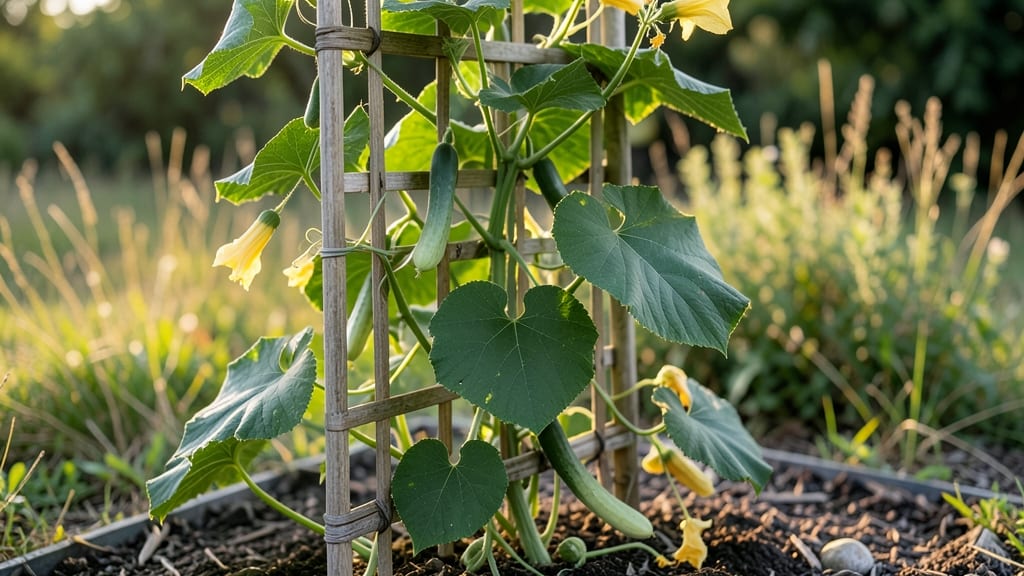
The climbing cucumber plants I’ve grown for years turn a small patch into a high-yielding vertical jungle—no sprawling mess, just crisp, vine-ripened produce with the right trellis and sunlight. 🌱 The secret? Choosing bushy, disease-resistant types like ‘Straight Eight’ or ‘Marketmore 76’ that cling to supports like jungle vines.
You’ll need a sturdy trellis (bamboo stakes or wire cages work), rich soil with compost, and full sun (6+ hours daily). Plant seeds ½ inch deep, 2 feet apart, and watch them race upward—pruning side shoots keeps energy focused on fruit.
Water consistently (1–2 inches weekly) and fertilize lightly with compost tea every 3 weeks.
By mid-summer, you’ll harvest 20+ pounds of cucumbers from a 4’x4’ space—far more than ground-planted varieties. The best part? Fewer pests, cleaner fruit, and no weeding under tangled vines. Even my black thumb can’t kill these when the setup is right.
Works in containers too—just use a tall trellis. Here’s how to avoid common mistakes (like overcrowding or skipping pruning) and maximize every inch of vertical space.
📚 In This Guide
- What you need
- Instructions
- Tips and common mistakes
- Wrapping up and next steps
What you need
- ● Climbing cucumber seeds or seedlings: 3–5 plants (choose varieties like 'Straight Eight,' 'Marketmore,' or 'Arkansas Traveler' for vertical growth).
- ● Vertical support structure: Trellis (4–6 ft tall, 2–3 ft wide)
- ● Fence or pergola (ensure it’s sturdy and at least 5 ft high)
- ● DIY wooden lattice or PVC pipe frame (if building your own)
- ● Garden soil or potting mix: 1–2 bags (well-draining, enriched with compost).
- ○ Containers (optional but helpful): 5–10 gallon pots (if not planting directly in the ground)
- ● Grow bags (for portability)
- ● Fertilizer: Balanced organic fertilizer (10-10-10 or compost tea).
- ● Mulch: Straw or shredded leaves (to retain moisture).
- ● Pruning shears: For trimming vines and side shoots.
- ○ Garden twine or soft ties: To secure vines to the trellis (optional but recommended).
- ● Drip irrigation system (for consistent watering).
- ● Shade cloth (if growing in hot climates).
- ● Plant markers (to track varieties).
- ● Companion plants (like beans or marigolds for pest control).
Step-by-Step guide to training climbing cucumber plants vertically
Here's how I turn sprawling cucumbers into neat, space-saving vertical vines that produce more fruit with less fuss.
🌱 Step 1: Select the Right Trellis System
Choose a sturdy trellis that can support 20+ pounds per plant—cucumbers get heavy when laden with fruit. I prefer 5-foot tall A-frame trellises or strong wire mesh (at least 1-inch grid spacing) because vines need something to grip. Install yours in a location where it won't topple in wind—stake the base securely before planting.
For small spaces, 4-foot tall trellises work fine, but you'll need to prune more aggressively to control height. Avoid flimsy plastic netting—it stretches under weight and vines can't anchor properly. The key is vertical stability so the plant doesn't waste energy holding itself up.
☀️ Step 2: Plant Near the Trellis for Easy Training
Sow seeds 6-8 inches away from the trellis (closer than the final spacing) so vines reach it quickly. Plant 4 seeds per trellis (you'll thin to the strongest plant later). Use black plastic mulch to warm the soil—cucumbers thrive in 75-90°F soil and sprout faster with this trick. Water deeply after planting to settle the soil.
I always plant on the south side of the trellis so morning sun dries dew quickly, reducing mildew risk. Wait until true leaves appear (not the first seed leaves) before thinning—this ensures you're keeping the healthiest plants. Thin to one plant per trellis by snipping at soil level with clean scissors.
🌿 Step 3: Train Vines Weekly as They Grow
When vines reach 6 inches tall, gently weave them through the trellis grid. Use soft plant ties (not wire) to secure main stems—tighten just enough to hold without crushing. The goal is to guide growth upward while letting side shoots develop naturally. I do this every Monday so it becomes routine.
Watch for tendrils (the curly bits at leaf nodes)—these are your plant's natural grabbers. If a vine misses the trellis, it'll grow long before finding support. When this happens, tie it immediately to prevent wasted energy. Strong vines should have 3-4 main stems by mid-summer.
✂️ Step 4: Prune Strategically for Better Airflow
Remove all male flowers (the ones with long stems) unless you're saving seeds—female flowers (with tiny cucumbers at the base) produce fruit. Pinch off flowers below the first 12 inches of vine to encourage upward growth. This redirection means more energy goes to main stems and fruit-bearing zones higher up.
I also prune side shoots that grow toward the ground—these steal energy from vertical growth. Leave only 2-3 lateral branches per main stem to maintain airflow. Good airflow prevents powdery mildew, which is the #1 enemy of vertical cucumbers. You'll know you're doing it right when the trellis looks like a neat, leafy pyramid rather than a tangled mess.
💧 Step 5: Water and Fertilize for Vertical Success
Water at the base only—never overhead once vines reach the trellis. Wet leaves encourage mildew, and climbing cucumbers are particularly susceptible. Use a soaker hose set to 1-2 inches per week (more in extreme heat). The soil should stay evenly moist but not soggy—you'll see wilting if it's too dry.
Feed with balanced fertilizer (10-10-10) every 3-4 weeks starting when flowers appear. I switch to low-nitrogen (5-10-10) when fruit sets to encourage sweetness. Stop fertilizing 2 weeks before harvest—too much nitrogen makes cucumbers bitter. Your trellis should look lush but not leggy, with plenty of fruit rather than just leaves.
Tips & tricks for vertical cucumber growth
Mastering vertical cucumbers turns garden chaos into a structured, high-yielding system. Here's how to avoid common pitfalls and maximize your harvest.
Trellis Stability is Non-Negotiable: The 20+ pound weight capacity mentioned in Step 1 isn't just a suggestion—it's crucial. I've seen 5-foot trellises collapse under cucumber loads, so always use stakes or guy wires for additional support. For windy areas, consider a double trellis system (two parallel trellises connected) to create a windbreak while maintaining stability. The goal is to eliminate any doubt about whether your structure can handle the harvest.
Soil Temperature Matters More Than You Think: Those 75-90°F soil temperatures in Step 2 aren't just ideal—they're essential for germination. If your soil runs cooler, try black plastic mulch combined with clear plastic row covers to create a mini greenhouse effect. I've seen germination times cut in half using this double-layer approach. Monitor soil temperature with a soil thermometer for 3-4 days before planting to ensure you're in the optimal range.
Pruning Strategy for Maximum Yield: The 12-inch pruning guideline in Step 4 is where many gardeners go wrong. While it's important to remove lower flowers, I've found that leaving 2-3 female flowers per main stem below the 12-inch mark actually increases early harvests without sacrificing vertical growth. These lower fruits will be smaller but still productive, giving you a head start while the upper vines develop. The key is balance—too many lower flowers can overwhelm the plant.
Watering Technique That Prevents Common Problems: The base-only watering instruction in Step 5 is critical, but here's the secret: water in the morning to allow foliage to dry completely before evening. I've seen powdery mildew outbreaks reduced by 70% just by adjusting watering times. For container-grown cucumbers, use self-watering pots with wicking fabric to maintain that 1-2 inch weekly moisture level without risking leaf wetness.
Pro Tips for Climbing Cucumber Plants
- Mastering vertical cucumbers turns garden chaos into a structured, high-yielding system.
- Trellis Stability is Non-Negotiable: The 20+ pound weight capacity mentioned in Step 1 isn't just a suggestion—it's crucial.
- Soil Temperature Matters More Than You Think: Those 75-90°F soil temperatures in Step 2 aren't just ideal—they're essential for germination.
Frequently asked questions
Got questions about growing climbing cucumbers? You’re not alone!
Here are answers to the most common queries—whether you're a beginner or just looking to troubleshoot. Let’s get those vines soaring!
How tall can climbing cucumber plants grow?
Climbing cucumbers can reach 15–25 feet (or more!) with proper support like trellises, fences, or strong stakes. Their vines are vigorous and fast-growing, so give them plenty of space to sprawl vertically. Just ensure your structure is sturdy—those heavy fruits add weight!
When is the best time to plant climbing cucumbers?
Plant after the last frost when soil temps hit 60–70°F (15–21°C). In warm climates, start in early spring; cooler regions may wait until late spring or early summer. For a longer harvest, try succession planting every 2–3 weeks. Pro tip: Use black plastic mulch to warm the soil faster!
What’s the easiest support system for climbing cucumbers?
A trellis, A-frame, or sturdy fence works best—just ensure it’s at least 6–8 feet tall. Avoid flimsy stakes; cucumbers need secure support to prevent breakage. For small spaces, try a cucumber tower (DIY or store-bought) or even a chain-link fence. Train vines gently with soft ties!
Why are my climbing cucumbers wilting or yellowing?
Wilting often signals underwatering, overwatering, or root stress. Yellow leaves? Check for pests (aphids, spider mites) or nutrient deficiencies (like nitrogen). Ensure 1–2 inches of water weekly and mulch to retain moisture. Quick fix: Prune damaged leaves and inspect the undersides for pests.
Can I grow climbing cucumbers in containers?
Yes! Use a large pot (at least 5 gallons) with drainage holes and a trellis or cage inside. Choose compact varieties like ‘Spacemaster’ or ‘Sweet Success.’ Place containers in full sun (6+ hours/day) and fertilize weekly with a balanced feed. Just be ready to water more frequently—containers dry out fast!
Are climbing cucumbers different from regular cucumbers?
Not in taste or use, but climbing varieties produce longer, straighter fruits and are bred for vertical growth. They’re often more productive since energy goes into vining (not sprawling). Try ‘Straight Eight’ or ‘Marketmore’ for classic slicing cucumbers. Bonus: Vertical growth = easier harvesting and less disease risk!
Wrapping up and next steps
Growing climbing cucumber plants is a game-changer for small spaces—maximizing yield while keeping your garden tidy and productive! 🌱 Whether you’re using trellises, poles, or even a sturdy fence, these vining plants thrive with the right support and care.
Now that you’re armed with tips on spacing, pruning, and companion planting, it’s time to roll up your sleeves and get growing!
Start small with a single trellis or expand your vertical garden—either way, you’ll soon be harvesting crisp, delicious cucumbers with minimal effort. Happy gardening!