
Vegetables
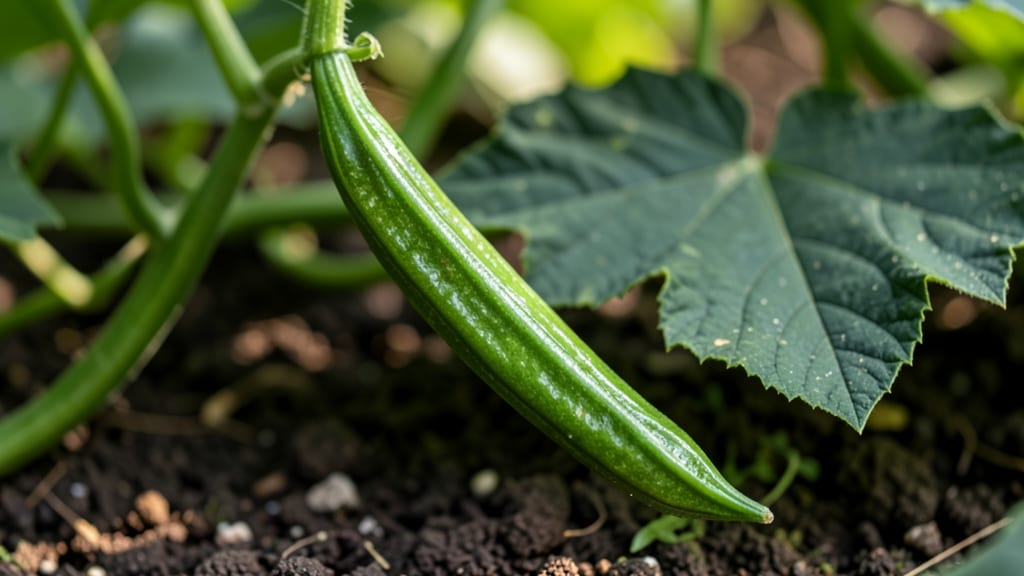
Growing Chinese snake cucumbers means 55-day harvests of vibrant, snake-like fruits that double as edible vines. 🌱 I've grown them for three summers now, and they outperform regular cucumbers in both productivity and ornamental appeal—imagine a plant that's as pretty as it is practical.
These cucumbers thrive in warm climates but adapt surprisingly well to containers, making them perfect for small spaces or urban gardens. The secret lies in their love for vertical support: a sturdy trellis or pole transforms their sprawling habit into a tidy, space-saving display while maximizing fruit production.
By mid-summer, you'll be harvesting 3-4 foot-long cucumbers with tender skin and mild, slightly sweet flavor—great for stir-fries, salads, or even pickling. The plants also attract pollinators, boosting your garden's overall health. Here's where it gets interesting: the vines themselves are edible, adding a nutty flavor to dishes.
Whether you're growing for food, beauty, or both, this plant delivers on every front.
📚 In This Guide
- What you need
- Instructions
- Tips and common mistakes
- Wrapping up and next steps
What you need
- ● Chinese snake cucumber seeds (e.g., Trichosanthes kirilowii or Trichosanthes angulata) – 5–10 seeds (start with a few to test your setup).
- ● Biodegradable seed-starting pots or peat pellets – 5–10 units (for seedlings).
- ● Potting mix – 1–2 gallons (lightweight, well-draining mix with compost).
- ● Garden soil or raised bed mix – Enough to fill your growing space (amend with compost for fertility).
- ● Organic fertilizer (e.g., 10-10-10 or compost tea) – 1–2 cups (for transplanting).
- ● Mulch (straw, grass clippings, or shredded leaves) – 1–2 inches thick (to retain moisture).
- ● Trowel or hand shovel – For planting and transplanting.
- ● Watering can or hose with a gentle nozzle – Essential for consistent moisture (snake cucumbers love hydration!).
- ● Garden twine or jute twine – 20–30 feet (for trellising).
- ● Trellis or sturdy poles – 6–8 feet tall (bamboo stakes, metal trellises, or wooden frames).
- ● Pruning shears – For trimming vines and harvesting.
- ○ Gloves (optional but recommended) – To protect your hands from thorns or rough vines.
- ● Sunlight – Full sun (6–8 hours daily) (partial shade in hot climates).
- ● Temperature – Warm soil (60–70°F) and air (70–85°F); not frost-tolerant.
- ● Space – Vertical growing space (trellis) or 6–10 feet of horizontal space (if not trellised).
- ● pH Level – Slightly acidic to neutral (6.0–7.0) (test soil if possible).
- ● Water Access – Consistent moisture (avoid waterlogging).
- ● Shade cloth – For seedlings or hot climates.
- ● Drip irrigation system – For automated watering.
- ● Companion plants – Basil, marigolds, or beans (to deter pests).
- ● Garden journal – To track growth and harvest dates!
Step-by-step instructions for growing Chinese snake cucumbers vertically
Here's how I grow these fast, prolific cucumbers—ready for harvest in just 55 days—using a simple pole system that saves space and boosts yields.
🪴 Step 1: Set Up Your Trellis and Planting Site
Choose a location with full sun (6+ hours daily) and well-draining soil. I use a 6-foot tall bamboo trellis for Chinese snake cucumbers because their vines grow aggressively—up to 15 feet if unchecked. Drive the trellis stakes 12 inches deep into the ground for stability, then attach horizontal crossbars every 18 inches to create handholds for the vines.
Test your soil's drainage by digging a 6-inch deep hole and filling it with water. If it drains in under 30 minutes, you're good to go. Amend heavy clay with 2 inches of compost mixed into the top 6 inches of soil. These cucumbers thrive in slightly acidic soil with a pH between 6.0-6.8—test your soil if possible, or add 1 cup of sulfur per 100 sq ft if your soil runs alkaline.
🌱 Step 2: Plant Seeds or Transplants at the Right Time
Start seeds indoors 4-6 weeks before your last frost date or sow directly in the garden after soil reaches 70°F. I prefer direct sowing for Chinese snake cucumbers because they germinate quickly (5-7 days) and handle transplant shock poorly. Plant 3 seeds per hill, 12 inches apart, and 1 inch deep—they're large seeds, so no need to fuss over depth.
Thin to the strongest seedling per hill once first true leaves appear. The reason I thin early is that crowded plants compete for nutrients, leading to smaller fruits and weaker vines. If you're using transplants, set them at the same spacing and water deeply to settle the roots immediately.
☀️ Step 3: Train Vines and Provide Consistent Care
As soon as vines reach 6 inches tall, gently tie them to the trellis with soft plant ties or old fabric strips. I avoid wire or plastic ties—they can damage tender stems as the vines thicken. Guide the main vine upward, letting only 1-2 lateral shoots develop per node to maximize fruit production. Prune any additional side shoots with clean scissors to redirect the plant's energy into fewer, larger cucumbers.
Water at the base 1 inch per week, keeping the soil consistently moist but never soggy. Chinese snake cucumbers are thirsty plants, but they hate wet feet. You'll know you're doing it right when the soil feels like a wrung-out sponge—damp but not dripping. Mulch with 2 inches of straw to retain moisture and suppress weeds, and fertilize with a balanced 10-10-10 formula every 2 weeks once flowers appear.
⏰ Step 4: Harvest and Encourage Continuous Production
Harvest begins 55 days after planting when cucumbers reach 6-8 inches long and feel firm to the touch. I pick every 2-3 days to prevent bitterness and encourage more flowers. Use pruning shears to cut the fruit from the vine, leaving a ½ inch stem attached—this prevents bruising and disease entry points.
Here's the thing—Chinese snake cucumbers produce prolifically, but they need a little help staying productive. After the first harvest wave, I pinch off the first few flowers that appear on new growth. This might sound counterintuitive, but it forces the plant to develop stronger vines before it sets another heavy fruit load. Once the vines are well-established, the plant will reward you with continuous harvests for 6-8 weeks.
✂️ Step 5: Extend the Season with Simple Tricks
To keep producing into fall, I cover young plants with frost cloth when nighttime temperatures dip below 50°F. Remove the cloth during the day to allow sunlight. For a second crop, sow new seeds 4-6 weeks before your first expected frost—these cucumbers mature so quickly that you can often get two harvests in one season.
At season's end, don't pull the plants until after the first hard frost. The vines will die back, but the roots may still produce a few more cucumbers. Once frost blackens the leaves, cut the vines at the base and compost them. The next year, I rotate crops—never plant cucumbers (or any other cucurbits) in the same spot annually to prevent soil-borne diseases from building up.
Tips & tricks for pole-trained Chinese snake cucumbers
Real talk: These cucumbers are fast growers, but their success hinges on a few precise details that most gardeners overlook. Here's how to maximize your 55-day harvest potential while avoiding common pitfalls.
Trellis Stability: The 6-foot bamboo trellis might seem sturdy, but I've seen these vines snap under wind or heavy fruit loads. After planting, give the trellis a gentle shake to test stability. If it wobbles, drive the stakes deeper or add a third support stake in the center. The goal is to eliminate any movement—even slight swaying can stress the vines and reduce fruit quality. For extra security in windy areas, consider using two trellises side by side and weaving the vines between them.
Soil Prep Secret: That 6-inch deep drainage test is more important than you might think. If water drains slower than 30 minutes, Chinese snake cucumbers will develop root rot before they ever produce fruit. I've found that adding 2 inches of perlite to heavy clay soil (along with the compost) creates perfect drainage while retaining moisture. The key is creating that "wrung-out sponge" texture—the soil should hold water but not stay soggy. You can test this by squeezing a handful of soil; it should crumble when dry but hold its shape when damp.
Vine Training Timing: Waiting until vines reach 6 inches to tie them up is perfect, but here's the thing—you'll want to do this within 3-4 days of that 6-inch mark. Uncontrolled vines develop weak stems that can't support the weight of long cucumbers. I use soft plant ties made from old cotton T-shirts because they stretch as the vines grow without cutting into the stems. Start tying at the base and work upward, leaving about 12 inches between each tie point. This gradual support prevents stem damage while keeping the vines properly aligned.
Harvest Frequency: Those 2-3 day harvest intervals are non-negotiable for sweet, tender cucumbers. I've learned this the hard way—letting them grow just 1 inch longer than 6-8 inches introduces bitterness and toughens the skin. Use pruning shears to harvest, and always leave that ½ inch stem attached. This small detail prevents bruising and disease entry points that can shorten your plant's productive life. For continuous production, I mark harvest days on my calendar and set a phone reminder—missing just one harvest window can reduce your total yield by 20%.
Pro Tips for Chinese Snake Cucumber
- Real talk: These cucumbers are fast growers, but their success hinges on a few precise details that most gardeners overlook.
- Trellis Stability: The 6-foot bamboo trellis might seem sturdy, but I've seen these vines snap under wind or heavy fruit loads.
- Soil Prep Secret: That 6-inch deep drainage test is more important than you might think.
Frequently asked questions
Got questions about growing Chinese snake cucumber? You’re not alone—this fast-growing, space-saving veggie has its own quirks! Here are answers to the most common queries to help you avoid pitfalls and maximize your harvest.
How do I tell if my Chinese snake cucumber seeds are sprouting correctly?
Seedlings should emerge in 5–10 days at 70–90°F (21–32°C). Look for two small leaves (cotyledons) unfurling first, followed by true leaves (larger, serrated edges). If sprouts are stunted, yellow, or moldy, check for overwatering or rot—adjust moisture and ensure good drainage. Pro tip: Thin seedlings to 1–2 inches apart to prevent competition.
Why aren’t my vines producing cucumbers after 30 days?
Patience! Snake cucumbers take 45–55 days to fruit, but delays often stem from lack of pollination or stress. Hand-pollinate with a paintbrush if bees are scarce, and ensure vines get 6–8 hours of sun daily. Cold snaps, overcrowding, or nutrient deficiencies (like low nitrogen) can also slow growth. Feed with a balanced fertilizer (10-10-10) if leaves look pale. Watch for: powdery mildew (white dust) or aphids—spray with neem oil if needed.
Can I grow Chinese snake cucumbers in containers? What’s the best setup?
These cucumbers thrive in 5-gallon containers or larger with drainage holes. Use a lightweight potting mix (add perlite for aeration) and a trellis or tomato cage for vertical growth. Place containers in full sun and water consistently—they hate soggy roots. Pro tip: Add compost or worm castings at planting for a nutrient boost. For balconies, opt for fabric grow bags (10+ gallons) to mimic soil conditions.
Are Chinese snake cucumbers safe to eat raw? How should I harvest them?
Yes! They’re crisp, mild, and slightly sweet when harvested young (4–6 inches long). For best flavor, pick in the morning with a sharp knife or pruners, cutting the stem just above a leaf node to encourage more growth. Overripe cucumbers turn seedy and bitter—aim for 55 days max. Store unwashed in the fridge for 5–7 days or ferment for pickles!
What can I plant alongside Chinese snake cucumbers to improve growth?
These cucumbers love companion plants that deter pests and boost nutrients. Try:
- Marigolds (repel nematodes and aphids)
- Basil (enhances flavor and deters flies)
- Radishes (break up soil and attract beneficial insects)
- Avoid planting near: potatoes, aromatic herbs (like dill or sage), or other cucurbits (squash, melons)—they compete for resources.
For vertical gardens, interplant with bush beans or lettuce to maximize space. Bonus: Mulch with straw to retain moisture and suppress weeds!
Wrapping up and next steps
Growing Chinese snake cucumber is a rewarding journey that yields a bountiful, space-saving harvest in just 55 days! With the right pole-training techniques, you’ll enjoy crisp, nutritious cucumbers that thrive even in small gardens.
Whether you’re a seasoned gardener or a curious beginner, this guide makes it easy to succeed.
Ready to green your thumb? Start by gathering your supplies, then plant your seeds with confidence—your future harvest is just weeks away! 🌱