
Vegetables
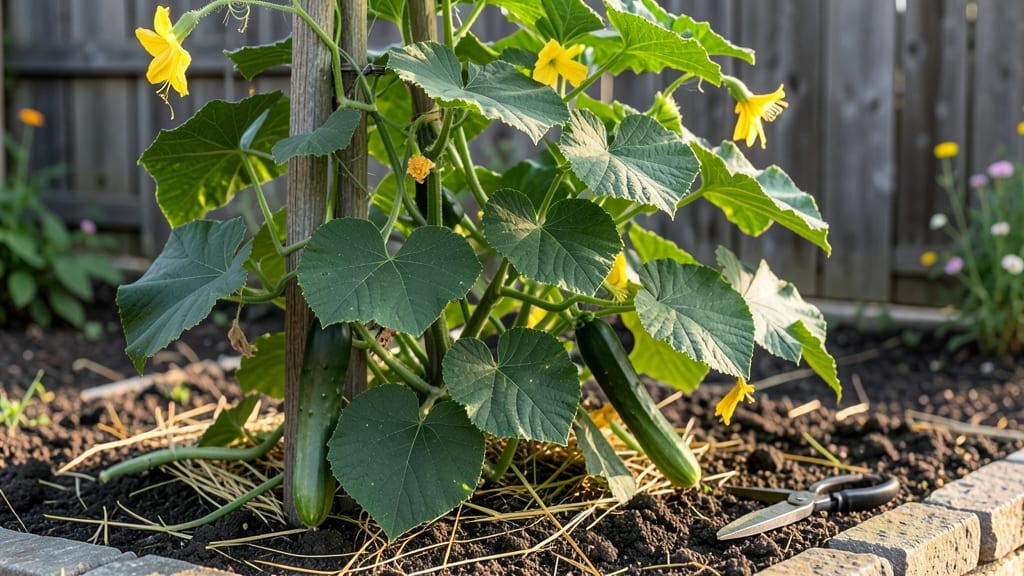
You can feed chickens cucumbers in moderation, as they provide hydration and fiber but lack essential protein. Serve small pieces as occasional treats while avoiding seeds and rinds, which may cause digestive upset. Always pair with a balanced layer feed for complete nutrition.
Cucumbers make a refreshing snack for chickens, but their high water content means they should never replace a balanced diet. 🥒 The fiber helps digestion, but the lack of protein means these treats should stay small—think 1-2 tablespoons per chicken per week—to avoid nutritional gaps.
I’ve found that offering cucumber slices alongside leafy greens or pumpkin creates a more balanced treat mix that keeps chickens happy without compromising their health.
For extra safety, always remove any seeds or tough rinds before serving, as these can lead to blockages. Chickens will happily peck at cucumber scraps, but remember: variety is key. A mix of veggies like kale, zucchini, or bell peppers provides better nutrition than cucumbers alone.
💡 In This Article
- Nutritional Value of Cucumbers for Chickens
- Best Veggie Alternatives for Chickens
Nutritional value of cucumbers for chickens
A single medium cucumber contains about 95% water, making it an excellent hydration source for chickens—especially during hot weather when they need extra fluids.
The remaining 5% solids include fiber (about 2.4 grams per 100 grams) that supports digestion, but the protein content is negligible at just 0.7 grams per 100 grams. This means cucumbers should never replace a chicken's primary protein sources like mealworms or layer feed.
The high water content explains why chickens often gobble up cucumbers quickly—they're quenching their thirst while getting minimal nutrition. 💧 However, this same trait can cause issues if overfed, as excess water dilutes digestive enzymes and may lead to loose droppings.
Think of cucumbers like a refreshing drink rather than a meal: satisfying in small amounts, but not filling or nutritious enough for regular consumption.
Cucumber peels contain bitter compounds called cucurbitacins that can irritate a chicken's digestive system, while seeds may cause blockages in their small digestive tracts. The ideal serving is 1-2 tablespoon-sized pieces per chicken per week, cut into bite-sized chunks without skin or seeds.
For comparison, a similar-sized piece of pumpkin (with skin) provides 1 gram of protein per 100 grams—making it a far more balanced treat.
What most people don't realize is how cucumbers affect a chicken's electrolyte balance. The potassium-to-sodium ratio in cucumbers (150mg vs 1mg per 100g) can create an imbalance if fed excessively, leading to muscle weakness.
This is why moderation is critical—especially for laying hens, whose bodies require precise mineral ratios for strong eggshell production.
In my own flock, I've noticed cucumbers work best as a summer treat when chickens are most active. During cooler months, I swap them for drier treats like sunflower seeds or chopped apples.
The key is variety: cucumbers hydrate, but they shouldn't be the only vegetable in rotation. 🌿 A mix of leafy greens (like kale), cruciferous veggies (broccoli), and root vegetables creates a more complete nutritional profile.
The fiber in cucumbers (mostly insoluble) helps move food through a chicken's digestive tract at about 2-3 hours per meal—faster than their typical 4-6 hour digestion time for protein-rich foods.
This rapid transit means nutrients have less time to absorb, reinforcing why cucumbers should always be supplemental rather than staple treats.
For maximum safety, always introduce cucumbers gradually. Start with ½ teaspoon per chicken and watch for any changes in droppings or energy levels. If you notice watery droppings or lethargy, reduce the portion size immediately. Remember: chickens don't need vegetables to thrive—they're just tasty additions to an already complete diet.