
Vegetables
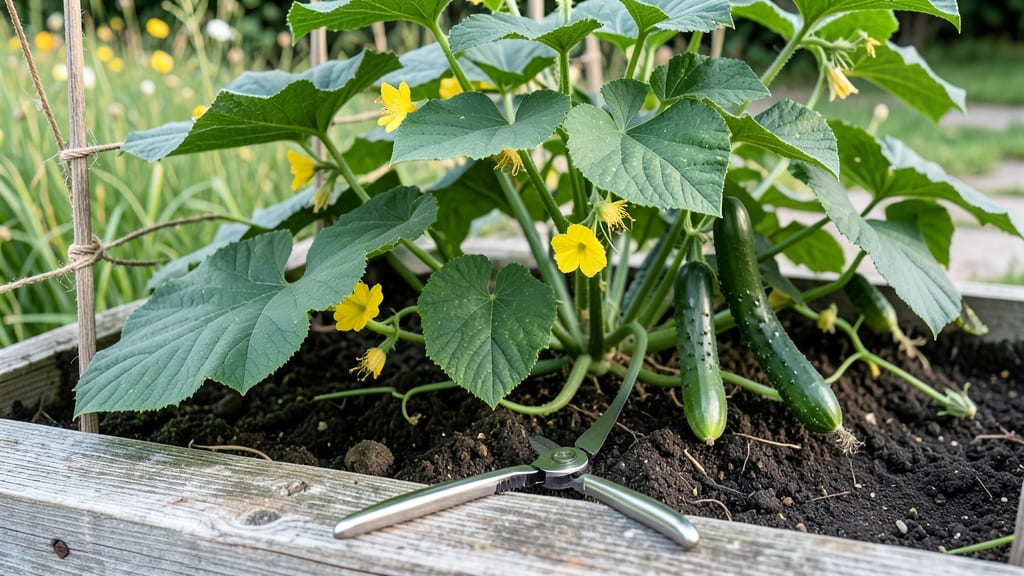
While cucumber seeds aren't poisonous, their small size and hard texture can be tricky for dogs. 🌱 Veterinarians often recommend limiting treats to about 1-2 seeds per 10 pounds of body weight—think of them as a rare snack, not a daily staple.
The real risk comes from swallowing too many at once, which could cause blockages or digestive discomfort. I always rinse seeds thoroughly before offering them to my dog, just to be safe.
For extra caution, you might want to opt for seedless cucumbers when prepping dog-friendly snacks. These are just as nutritious but eliminate the choking hazard entirely.
If you notice your dog gagging or showing signs of distress after eating seeds, contact your vet immediately—it's better to err on the side of caution with small pets.
💡 In This Article
- Are Cucumber Seeds Safe for Dogs?
- How to Feed Cucumber Seeds to Dogs Safely
Are cucumber seeds safe for dogs?
Cucumber seeds are technically non-toxic to dogs, but their safety comes with important caveats rooted in their physical properties. The seeds themselves contain minimal amounts of cucurbitacin, a compound found in some plants that can cause mild gastrointestinal irritation in large doses.
However, the real concern lies in their hard, dense structure—each seed measures roughly 0.1-0.2 inches in length, making them a choking hazard for small dogs or those prone to gulping food quickly. 🔥
The seed's outer shell is also highly resistant to digestion, which means it can pass through a dog's system largely intact. While this isn't poisonous, it can irritate the digestive tract lining, potentially causing mild vomiting or diarrhea if consumed in excess.
Veterinarians often compare this to feeding popcorn kernels—both are small, hard, and can cause similar blockages or discomfort when eaten in large quantities.
What makes cucumber seeds different from the cucumber flesh is their low moisture content and higher fiber concentration. The flesh is 95% water, making it easy to digest, while seeds contain more structural carbohydrates that dogs lack the enzymes to break down efficiently.
This mismatch in digestion is why even small amounts should be treated as an occasional treat rather than a dietary staple.
Another critical factor is the seed's shape and surface texture. Unlike smooth, round treats, cucumber seeds have a slightly rough, elongated shape that can scratch the throat or stomach lining. This is particularly concerning for brachycephalic breeds (like Bulldogs or Pugs) whose airways are already more prone to obstruction.
The American Kennel Club recommends avoiding hard, irregularly shaped treats for these breeds entirely.
To put this into perspective, consider that a 10-pound dog could safely consume about 1-2 seeds as a rare snack, while a 50-pound dog might tolerate up to 5 seeds—but only if they're chewed thoroughly.
The key is always monitoring your dog's reaction after introducing any new food, as individual digestive systems vary widely. 💫
Interestingly, the seeds' potential risks are often overstated in comparison to other common human foods dogs consume. For example, a single grape (which contains unknown toxins) poses far greater danger than a handful of cucumber seeds.
This isn't to minimize the risks, but to provide context—cucumber seeds should be approached with caution rather than outright fear.