
Vegetables
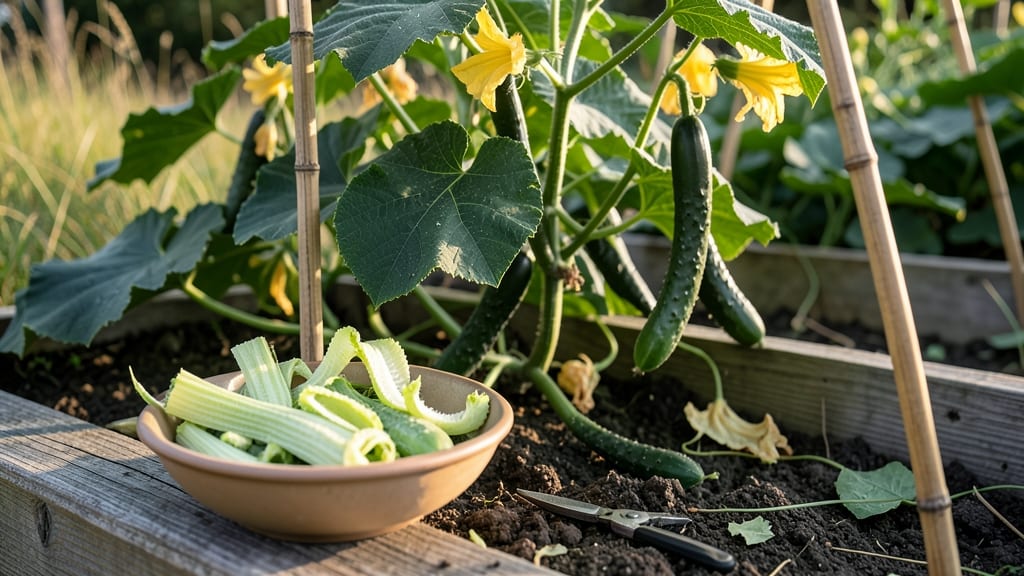
Cucumber peels are completely safe for chickens when prepared correctly, offering a refreshing hydration boost and fiber content that supports their digestive health. 🌱 The key is moderation—too much can cause loose droppings, while proper washing removes pesticide residues that could harm their liver.
I always chop peels into small pieces to make them easier for my flock to peck at, and I pair them with protein-rich scraps like cooked egg shells or mealworms for balanced nutrition.
What sets cucumbers apart is their high water content—about 95%—which helps keep chickens hydrated, especially in hot weather. However, the peels' fibrous texture means they should never be the sole food source.
Think of them as a treat rather than a staple, and always remove any seeds or thick rinds that might be difficult to digest. This approach keeps your chickens healthy while making the most of kitchen scraps!
💡 In This Article
- Nutritional Safety of Cucumber Peels for Chickens
- Best Practices for Feeding Cucumber Scraps to Chickens
Nutritional safety of cucumber peels for chickens
Cucumber peels are completely non-toxic to chickens because they contain no harmful compounds like solanine (found in green potato skins) or oxalates (present in spinach stems) that could cause digestive distress. 🌱 The peels are rich in fiber and contain small amounts of vitamins A and K, which support skin health and blood clotting.
What makes them particularly beneficial is their high water content—about 95%—which helps maintain hydration, especially during hot weather when chickens may drink less water.
The fibrous texture of cucumber peels actually aids chickens' digestion by promoting gut motility. Their digestive systems are designed to process fibrous materials, though they lack the enzymes to break down cellulose completely—this is why peels should always be chopped into small, manageable pieces.
A 1-inch cube of peel per chicken, 2-3 times per week, provides just enough fiber without overwhelming their digestive tract. Too much fibrous material can lead to loose droppings or even impaction in extreme cases.
However, the safety of cucumber peels depends heavily on their source. Conventionally grown cucumbers often carry pesticide residues that can accumulate in chickens' fat stores, potentially harming their liver over time.
Always wash peels thoroughly under running water for atstrong>2-3 minutes, using a vegetable brush to remove any surface contaminants. Organic cucumbers reduce this risk, but washing remains essential to remove dirt and potential mold spores that could grow on damp peels stored in the fridge.
Mold is the biggest hidden danger—even a small greenish spot contains mycotoxins that can cause severe illness or death in chickens.
Their sensitive digestive systems can't process these toxins, which is why any cucumber showing signs of spoilage should be discarded immediately. 🚨 The same rule applies to cucumbers stored with high humidity; peels left sitting in a damp container for more than 24 hours may develop mold even if they look fine.
When in doubt, toss it out.
Another consideration is the cucumber's natural moisture content. While beneficial for hydration, too much water-rich food can dilute essential nutrients in their diet. Chickens need a balanced intake of protein (about 16-20% of their diet) and fats to maintain proper body functions.
This is why cucumber peels should always be paired with protein sources like mealworms, scrambled eggs, or even small amounts of cooked chicken. The combination creates a more complete nutritional profile while keeping the treats enjoyable.
What most chicken keepers don't realize is how chickens use fibrous materials like cucumber peels to naturally clean their digestive tract. The rough texture helps scrape away any buildup in their gizzard, which is their stomach's grinding organ.
This natural "scrubbing" action is why free-range chickens often seek out fibrous foods—it's part of their self-maintenance routine. Just remember: moderation is key to letting them enjoy this natural benefit without digestive consequences.