
Vegetables
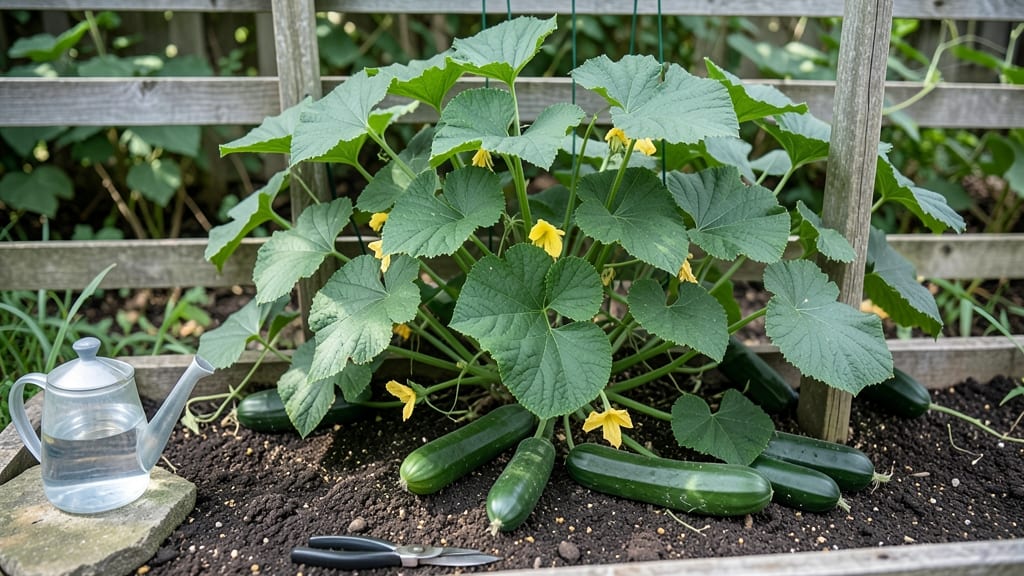
Growing burpless hybrid cucumbers means crisp, sweet slices without the bite—no more gagging through salads! 🌱 I planted my first batch last summer, and the difference from store-bought cucumbers was shocking.
These vines produce tender, seedless fruit that stays mild even when fully ripe, making them perfect for snacking straight off the vine. The secret to success starts with the right setup: a sturdy trellis (they're pole-friendly varieties), well-draining soil rich in compost, and consistent moisture.
Unlike their bitter cousins, these cucumbers thrive when given space to climb, which keeps fruit clean and reduces disease. I harvest mine every 2-3 days to encourage more production—overripe cucumbers turn mealy fast.
You’ll end up with 20-30 pounds of cucumbers per plant in a single season, all with that perfect crunch and zero aftertaste. The vines are vigorous but manageable, and they resist common cucumber pests better than traditional varieties. Plus, the seedless trait means no slimy surprises when slicing.
Works equally well in containers or in-ground, making them ideal for small spaces or urban gardens. Here’s how to get started with foolproof results!
📚 In This Guide
- What you need
- Instructions
- Tips and common mistakes
- Wrapping up and next steps
What you need
- ● Burpless Hybrid Cucumber Seeds: 5–10 seeds (e.g., ‘Straight Eight,’ ‘Marketmore 76,’ or ‘Diva’—all pole-friendly and bitterness-free!)
- ● Growing Containers or Raised Beds: 5-gallon pots (1 per plant) or
- ● Raised bed (minimum 12" deep, 12" spacing between plants)
- ● Pole or Trellis System: 6–8 ft tall bamboo stakes, A-frame trellis, or netting (1 per plant)
- ○ Optional: Twine or soft plant ties for securing vines
- ● Potting Mix: 1–2 bags of well-draining, organic potting soil (mix in compost for nutrients)
- ● Fertilizer: Balanced organic fertilizer (e.g., 10-10-10) or
- ● Compost tea or worm castings (for gentle feeding)
- ● Watering Can or Hose: With a gentle spray nozzle (cucumbers hate soggy roots!)
- ● Pruning Shears: Small, sharp pair for harvesting and trimming
- ● Climate: Warm season (60–90°F / 15–32°C). Start seeds indoors 2–3 weeks before last frost or direct-sow after soil reaches 60°F.
- ● Sunlight: Full sun (6–8+ hours daily)—no shade allowed!
- ● Water: Consistent moisture (1–2 inches per week). Use drip irrigation or water at the base to avoid fungal diseases.
- ● Space: Minimum 12" between plants (24" in crowded beds).
- ○ Optional (But Helpful!): Row cover (to protect young plants from pests)
- ● Mulch (straw or shredded leaves to retain moisture)
- ● pH test kit (ideal soil pH: 6.0–6.8)
Step-by-Step instructions for growing burpless hybrid cucumbers
Here’s how to grow this zero-bitterness variety successfully—whether you’re trellising or letting vines sprawl.
🌱 Step 1: Choose the Right Location and Prep Soil
Burpless hybrids thrive in full sun (at least 6-8 hours daily) and warm soil—wait until nighttime temperatures stay above 55°F before planting. I always test soil pH first (aim for 6.0-6.8) and amend with compost if it’s heavy clay or sandy. These cucumbers are sensitive to poor drainage, so raise beds slightly or add perlite to improve aeration.
If you’re planting in containers, use 5-gallon pots per plant—smaller containers stunt root growth and reduce yield. I like to add a handful of worm castings at the bottom for extra nutrients. Space rows 3-4 feet apart if planting directly in the ground, or 18-24 inches apart for trellised plants.
☀️ Step 2: Plant Seeds or Transplants at the Right Time
Start seeds indoors 3-4 weeks before the last frost in biodegradable pots to avoid root disturbance. Plant seeds 1 inch deep, two per pot, and thin to the strongest seedling once true leaves appear. For direct sowing, wait until soil is at least 60°F—cold soil delays germination and invites rot.
If using transplants, harden them off for 7-10 days before moving outside. Burpless hybrids are tender—don’t set them out until all danger of frost has passed. I always plant mine after Mother’s Day in my zone 6 garden, which gives the vines 80+ days to mature before fall chill sets in.
💧 Step 3: Water Deeply and Consistently
Burpless cucumbers need 1-2 inches of water weekly, delivered at the base of the plant (never overhead). I water in the early morning to prevent fungal diseases like powdery mildew, which loves damp leaves. Let the top 2 inches of soil dry out between waterings—consistent moisture prevents bitter flavors and blossom-end rot.
Mulch with straw or shredded leaves to retain moisture and suppress weeds. Avoid synthetic mulches—they can overheat the soil and stress plants. You’ll know your watering is right when leaves stay deep green and vines grow steady and sturdy without wilting.
🪴 Step 4: Train Vines and Support Growth
If trellising, install 5-6 foot tall stakes or a strong trellis at planting time. Gently tie the main vine to the support with soft plant ties as it grows—never force it, or you’ll snap tender stems. Burpless hybrids produce long, straight fruits, so vertical growth maximizes space and airflow.
For sprawling plants, let vines spread but prune side shoots to encourage energy toward fruit production. Remove any leaves touching the soil to prevent rot. I also pinch off the first few flowers—this lets the plant focus on root and vine establishment before fruiting.
✂️ Step 5: Harvest at Peak Ripeness
Burpless cucumbers are ready to harvest when they reach 6-8 inches long and have bright green skin with a slight sheen. Use pruning shears to cut stems—never pull fruits, or you’ll damage the vine. Harvest every 2-3 days to encourage more production; left on the vine, they’ll turn yellow and bitter.
I always harvest in the morning when cucumbers are crispest. Store them in the fridge for up to 5 days—these hybrids stay fresh longer than traditional varieties. If you miss a harvest window, the vines will produce smaller, seedy fruits that are still edible but less flavorful.
Tips & tricks for growing burpless hybrid cucumbers
These practical insights will help you maximize your harvest with minimal effort—whether you're working with limited space or tricky weather conditions.
Soil Preparation Secret: The difference between thriving cucumbers and struggling ones often comes down to soil preparation. Beyond the compost and perlite mentioned in Step 1, I recommend adding a handful of aged manure (like cow or horse) to the bottom of your planting hole for extra nitrogen boost. This gives your plants a slow-release nutrient source they'll need for that 80+ day growing window. For container growers, mix in an extra tablespoon of balanced fertilizer (10-10-10) when planting—those 5-gallon pots can't hold much nutrition.
Timing Tip for Seed Starting: When starting seeds indoors 3-4 weeks before last frost (Step 2), place them under grow lights for 14-16 hours daily. Natural light might not be strong enough, especially in early spring. I use simple LED shop lights on a timer—this prevents leggy seedlings that struggle to establish after transplanting. Also, keep seedling trays in a warm spot (around 70°F) until sprouts appear, then move to room temperature.
Watering Wisdom: The 1-2 inches weekly watering guideline in Step 3 works perfectly in ideal conditions, but real gardens have variables. I've found that during hot summer days (especially above 85°F), you'll need to water every 2-3 days instead of weekly. Check soil moisture by sticking your finger 2 inches deep—if it's dry, water thoroughly. For container plants, you'll likely need watering every 1-2 days in summer heat. The key is maintaining that consistent moisture without waterlogging.
Harvest Hack: When harvesting those 6-8 inch cucumbers every 2-3 days (Step 5), I've discovered a simple trick to prevent bruising: Always harvest with your dominant hand while supporting the cucumber with your other hand. This two-handed approach prevents the fruit from hitting the vine or ground. Also, harvest in the morning after dew has dried—this gives you the crispest cucumbers. If you must harvest later in the day, wait until at least 2 hours before sunset to avoid heat stress on the plants.
Pro Tips for Burpless Hybrid Cucumber
- These practical insights will help you maximize your harvest with minimal effort—whether you're working with limited space or tricky weather conditions.
- Soil Preparation Secret: The difference between thriving cucumbers and struggling ones often comes down to soil preparation.
- Timing Tip for Seed Starting: When starting seeds indoors 3-4 weeks before last frost (Step 2), place them under grow lights for 14-16 hours daily.
Frequently asked questions
What makes burpless hybrid cucumbers different from regular cucumbers?
Burpless hybrids, like 'Sweet Success' or 'Straight Eight', are bred to eliminate the Cucurbitacin compound that causes bitterness—even when grown in hot weather. They also have thinner, sweeter skins and fewer seeds, making them crunchier and more digestible. Perfect for pickling or snacking without the dreaded burps!
How long does it take for burpless cucumbers to mature and produce fruit?
Most burpless hybrids mature in 50–65 days from transplanting. You’ll see flowers in 3–4 weeks, and cucumbers will start appearing 2–3 weeks after pollination. For faster harvests, plant in warm soil (60°F+) and use a trellis to encourage vertical growth. Patience pays off—early varieties like 'Diva' can bear fruit even sooner!
Can I grow burpless cucumbers in containers or small spaces?
Since they’re pole-friendly, burpless cucumbers thrive in 5-gallon containers or vertical trellises. Choose compact varieties like 'Sweet & Easy' (bush type) or 'Marketmore 76' (vining). Just ensure containers have drainage, and fertilize weekly with a balanced feed. Containers also help deter pests like cucumber beetles!
Why are my burpless cucumbers still bitter—what am I doing wrong?
Bitterness in burpless hybrids usually stems from heat stress or over-maturity. Harvest frequently (every 2–3 days) to prevent cucumbers from growing too large. Mulch plants to retain moisture, and avoid watering leaves to reduce fungal issues. If bitterness persists, check for hereditary bitterness (rare in hybrids) or switch to 'Armenian' cucumbers, which are naturally seedless and sweet.
Are burpless cucumbers safe for people with sensitive stomachs?
Yes! Their low-seed count and gentler texture make them easier to digest than traditional cucumbers. They’re also lower in cucurbitacin, reducing bloating. However, those with oral allergy syndrome (reactions to raw cucumbers) should cook them first. Always introduce new foods gradually if you have sensitivities.
What’s a good alternative if burpless cucumbers fail to grow in my climate?
Try Armenian cucumbers (seedless, sweet, and cold-hardy) or Lemon cucumbers (small, tangy, and burpless). For warmer climates, 'Suyo Long' (Asian variety) is another great pick. If space is tight, bush beans or pepper varieties like 'Shishito' offer similar crunch with minimal fuss!
Wrapping up and next steps
Growing burpless hybrid cucumbers is a rewarding way to enjoy fresh, crisp, and zero-bitterness produce without the hassle of bloating or indigestion. Whether you're a seasoned gardener or a beginner, these pole-friendly varieties thrive with minimal effort—just provide the right soil, sunlight, and support.
Ready to harvest homegrown goodness? Start small this season!
- 🌱 Next step: Pick your favorite burpless variety (like 'Sweet Success' or 'Diva') and mark your calendar for planting—spring or early summer is ideal!
- 📝 Pro tip: Keep a gardening journal to track progress and refine your technique for even better yields next year.