
Vegetables
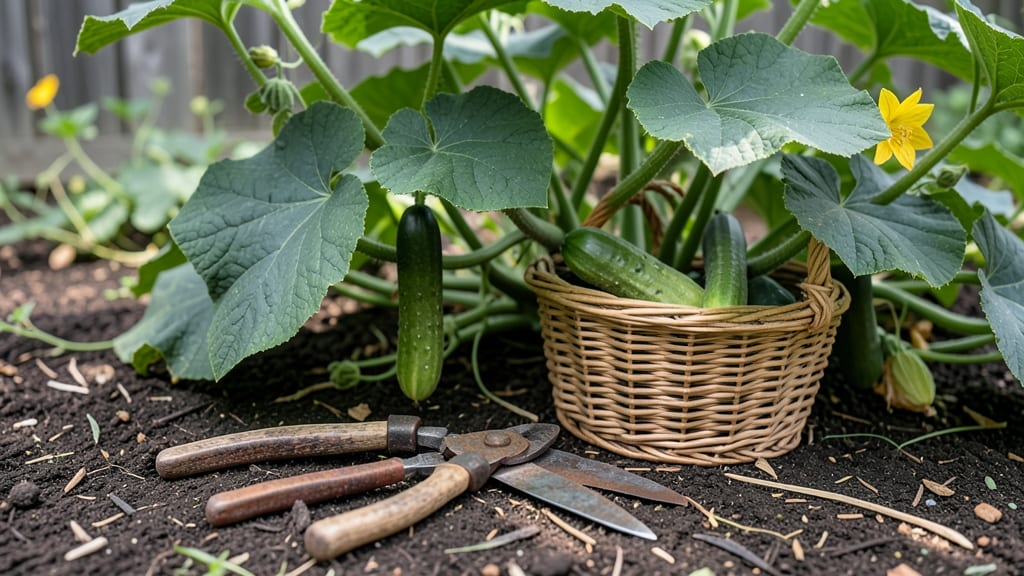
Bur cucumber is edible and offers a mild, slightly bitter flavor with a crisp texture, much like a hybrid between a cucumber and zucchini. While nutritious, it should be cooked or peeled to prevent potential skin irritation for sensitive individuals.
This unusual vegetable packs a nutritional punch with high levels of vitamin C and potassium, plus antioxidants that support immune function. 🌱 Unlike regular cucumbers, bur cucumber's skin contains mild toxins that can cause irritation, so peeling or thorough cooking is essential before eating.
I've found stir-frying or pickling works best to soften its texture while preserving nutrients—just avoid eating it raw unless fully peeled.
For those new to bur cucumber, start with small portions to test tolerance. The bitterness mellows when cooked, making it a versatile ingredient in Asian-inspired dishes. Always source fresh produce from trusted markets to ensure quality, as older cucumbers develop stronger bitterness over time.
💡 In This Article
- Nutritional Breakdown of Bur Cucumber
- How to Prepare and Cook Bur Cucumber Safely
Nutritional breakdown of bur cucumber
Bur cucumber stands out nutritionally with a unique profile that blends benefits from both cucumbers and zucchini. A 100-gram serving delivers 16% of your daily vitamin C needs, more than regular cucumbers (which provide just 4%), thanks to its thicker skin and flesh.
The vitamin C content helps boost collagen production and immune function—something you won’t find in significant amounts in zucchini, which contains only traces.
What really sets bur cucumber apart is its potassium-to-magnesium ratio. With 230mg of potassium per 100g (similar to bananas) and 18mg of magnesium, it supports heart health and muscle function better than either cucumbers or zucchini alone.
The vegetable also contains lutein and zeaxanthin, antioxidants that protect eye health—these compounds are more concentrated in bur cucumber than in regular cucumbers but less than in leafy greens like spinach.
The fiber content is another highlight, with 1.5g per 100g, which aids digestion and helps stabilize blood sugar. This makes bur cucumber a smarter choice than cucumbers for those managing diabetes, though it still falls short of zucchini’s 2.2g per 100g.
The mild bitterness comes from compounds like cucurbitacins, which some studies suggest may have anti-cancer properties when consumed in moderation.
Calorically, bur cucumber is a lightweight option at just 17 calories per 100g, making it ideal for low-calorie diets. Its water content sits at 95%, similar to cucumbers, but the remaining 5% solids provide more substantial nutrients than either cucumber or zucchini.
For example, a 1-cup serving (130g) contains 10% of your daily vitamin K, crucial for blood clotting and bone health.
Here’s how it compares to common vegetables:
- Vitamin C: Bur cucumber (16%) vs. Cucumber (4%) vs. Zucchini (1%)
- Potassium: Bur cucumber (230mg) vs. Cucumber (140mg) vs. Zucchini (200mg)
- Fiber: Bur cucumber (1.5g) vs. Cucumber (0.5g) vs. Zucchini (2.2g)
The key takeaway? Bur cucumber offers a balanced nutritional boost that bridges the gap between hydrating cucumbers and hearty zucchini—making it a standout in both raw and cooked dishes. 💛