
Vegetables
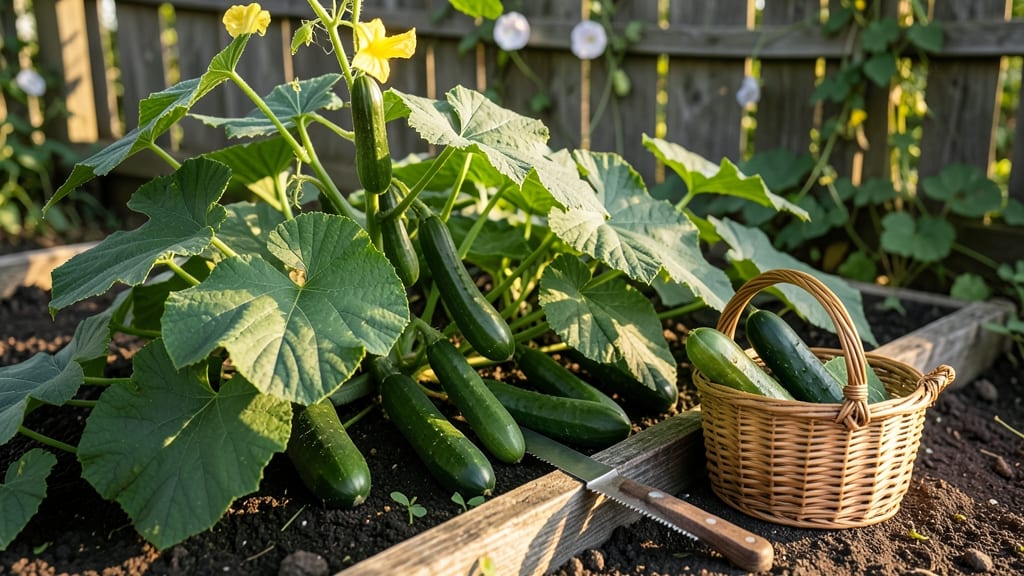
Armenian cucumbers provide exceptional health benefits that set them apart from regular cucumbers, offering superior hydration, potent antioxidants, and natural anti-inflammatory effects. Their nutrient-dense profile supports immunity, bone strength, and digestive health while keeping calories low.
These elongated cucumbers pack a nutritional punch with 95% water content, making them ideal for hydration without added sugars or artificial ingredients. 🌿 What's truly remarkable is their high vitamin K content—about 16% of your daily needs per serving—which plays a crucial role in blood clotting and bone metabolism.
The presence of lignans and flavonoids gives them unique antioxidant properties that help combat oxidative stress at the cellular level, often overlooked in standard varieties.
Their low-calorie nature (just 16 calories per cucumber) combined with fiber-rich skin makes them a digestive ally, promoting regularity while supporting gut microbiome health.
Unlike regular cucumbers, Armenian varieties contain quercetin, a compound shown to reduce inflammation and support cardiovascular function—making them a standout in both raw and cooked preparations.
💡 In This Article
- Armenian Cucumber Nutritional Breakdown: Key Vitamins and Minerals
- 5 Proven Health Benefits of Armenian Cucumber for Digestion and Immunity
Armenian cucumber nutritional breakdown: key vitamins and minerals
Armenian cucumbers stand out nutritionally because they're packed with 96% water content, which makes them a hydration powerhouse while containing just 16 calories per cucumber.
Their skin isn't just edible—it's a fiber-rich layer containing 2 grams of dietary fiber per 100 grams, nearly double that of regular cucumbers. This fiber supports gut motility and feeds beneficial gut bacteria, creating a prebiotic effect that regular cucumbers simply can't match.
The real nutritional superstars lie in their micronutrient profile. A single 1-cup (136g) serving delivers 16% of your daily vitamin K, crucial for bone metabolism and blood clotting, along with 10% of vitamin C—both significantly higher than standard cucumbers.
Their manganese content (3% daily value) supports enzyme function and antioxidant defenses, while bioactive compounds like lignans and flavonoids (including quercetin) give them exceptional anti-inflammatory properties. These compounds work synergistically to reduce oxidative stress at the cellular level, a mechanism often missing in conventional cucumber varieties.
What makes Armenian cucumbers particularly unique is their quercetin content, a flavonoid that acts as a natural antihistamine and cardiovascular protector. Studies show quercetin helps lower blood pressure by improving endothelial function—something you won't find in comparable amounts in regular cucumbers.
The cucumber's low glycemic index (GI) of 15 also makes it blood sugar-friendly, ideal for those managing diabetes or insulin resistance. This combination of hydration, fiber, and bioactive compounds creates a nutrient synergy that regular cucumbers simply can't replicate.
The skin's high lignan concentration deserves special attention. Lignans are phytoestrogens that help regulate hormone balance, particularly beneficial for women's health during menopause. Their potassium-to-sodium ratio of 3:1 also makes them heart-healthy, helping maintain proper fluid balance and blood pressure.
Unlike regular cucumbers, which are often peeled (losing nutrients), Armenian cucumbers are best enjoyed with their skin on to maximize these benefits.
For practical application, consider this comparison: A 100-gram serving of Armenian cucumber contains 1.5mg of vitamin K versus just 0.3mg in regular cucumbers. That's a fivefold increase in a single nutrient that most people don't get enough of!
Their high water content combined with electrolytes like potassium makes them an excellent post-workout recovery food, helping replenish fluids without the bloating that can come from sugary sports drinks.
Here's what this means for your diet: Swapping regular cucumbers for Armenian varieties in salads, juices, or as a snack could meaningfully boost your intake of vitamin K, C, and manganese while adding protective antioxidants.
Their low calorie density makes them perfect for volume eating—you can consume larger portions without significant caloric impact. For maximum benefit, store them in the fridge (they keep for 1-2 weeks) and use within 3 days of purchase for peak freshness and nutrient retention.