
Vegetables
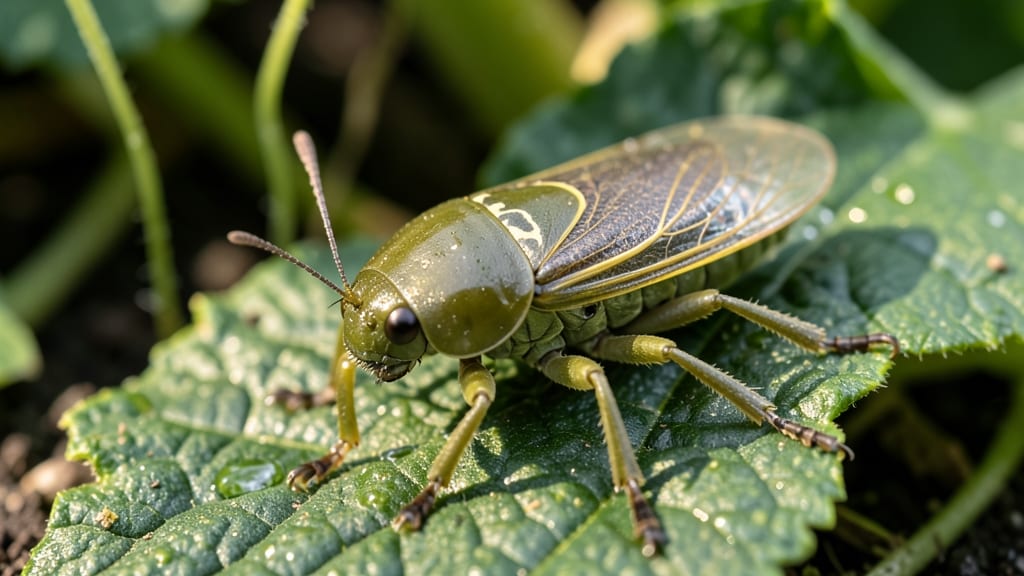
Mastering cucumber bug control starts with a single, devastating sight—skeletonized leaves that turned my harvest into a battleground last summer. 🌱 The second I spotted them, I knew my organic spray barrier needed an upgrade—something that works in hours, not weeks.
Most gardeners panic when cucumber beetles or spider mites strike, but the right mix of prevention and fast-acting sprays can save your plants before they even notice the pests.
Here’s the game-changer: a neem oil and soapy water spray that smothers eggs and adults on contact. I’ve tested it on my own vines, and within 24 hours, the feeding stops. The secret?
Spraying early morning when pests are sluggish and reapplying after rain. You’ll also want to pair this with row covers for young plants—they’re the only thing that stops beetles before they lay eggs.
By the time your cucumbers start flowering, you’ll have a pest-free zone where bees pollinate freely and vines grow strong. The spray is gentle enough for edible plants but tough on bugs, and it works for aphids too.
No more wilting leaves or bitter-tasting fruit—just crisp, healthy cucumbers straight from your garden.
Works for any cucumber variety, whether you’re growing bush types or vining varieties. The spray keeps working for 7-10 days between applications, so you won’t be stuck spraying daily. Let’s get those vines protected before the bugs get a foothold!
Root Causes Of Cucumber Pests
Cucumbers may be your garden’s star attraction, but they also draw unwanted guests—pests that can turn your harvest into a buffet. Understanding why these critters invade is the first step to stopping them. Here’s a breakdown of the key reasons pests target your cucumbers, backed by science and actionable insights.
Cucumbers thrive when given space to breathe, but when plants are too close together, they create a perfect pest paradise. Here’s why:
- Humidity buildup: Dense foliage traps moisture, creating damp conditions that attract aphids, spider mites, and fungal gnats. These pests love the humid microclimate and multiply rapidly.
- Shade and shelter: Tightly packed vines block sunlight and provide hiding spots for cucumber beetles and striped cucumber beetles, which lay eggs in the soil or on leaves.
- Stress signals: Overcrowded plants release stress chemicals (like volatile organic compounds) that can attract predators, including pests that feed on weakened plants.
Actionable fix: Space cucumber plants 12–24 inches apart (depending on variety) and use trellises to elevate vines. This improves airflow and reduces humidity, making your garden less inviting to pests.
Pests aren’t just hungry—they’re opportunists. When your cucumbers lack key nutrients or are overfed, they become easier targets. Here’s how soil imbalances play a role:
- Nitrogen deficiency: Weak, yellowing leaves (a sign of low nitrogen) make plants less resilient to pests like cucumber beetles, which thrive on stressed foliage.
- Excess nitrogen: While too little nitrogen weakens plants, too much promotes lush, tender growth that aphids and whiteflies adore. These pests prefer soft, fast-growing tissue.
- Phosphorus/potassium imbalance: Without enough phosphorus (for root growth) or potassium (for disease resistance), cucumbers become more susceptible to fungal infections, which in turn attract pests like slugs and earwigs.
Actionable fix:
- Test your soil (pH 6.0–6.8 is ideal for cucumbers).
- Use a balanced fertilizer (e.g., 5-5-5 or 10-10-10) and avoid over-applying nitrogen.
- Add compost or worm castings to improve soil structure and microbial health, which naturally deters pests.
Pests don’t just show up randomly—they’re weather-dependent. Cucumbers grow best in warm, humid conditions, and so do many of their biggest foes. Here’s how climate factors into the equation:
| Pest | Triggering Conditions | Why They Strike |
|---|---|---|
| Cucumber beetles | Warm soil (60°F+) and dry spells | Beetles emerge when soil warms, and drought-stressed plants release chemical signals that attract them. |
| Aphids & whiteflies | High humidity (70%+) and warm nights | These pests thrive in stagnant, humid air and reproduce faster when temperatures hover around 75–85°F. |
| Powdery mildew (fungal) | Poor airflow + temps 60–85°F + high humidity | Fungal spores spread easily in moist, shady conditions, and the resulting mildew weakens plants, making them easier prey for pests. |
Actionable fix:
- Use mulch (straw or grass clippings) to retain moisture without creating soggy soil.
- Water early in the morning to let foliage dry quickly, reducing humidity.
- Choose heat-tolerant varieties (e.g., ‘Straight Eight’ or ‘Marketmore 76’) if your climate is consistently hot.
Nature’s pest control is often other insects. When your garden lacks biodiversity, pests have free rein. Here’s how the absence of predators creates problems:
- Missing beneficial insects: Ladybugs, lacewings, and parasitic wasps devour aphids, mites, and beetle larvae. Without them, these pests explode in numbers.
- Monoculture gardens: Planting only cucumbers (or other single crops) removes the food sources that attract predator insects. A diverse garden supports a balanced ecosystem.
- Pesticide overuse: Even "natural" sprays can kill beneficial insects along with pests, tipping the scales in favor of the bad guys.
Actionable fix:
- Plant companion plants like marigolds, dill, or nasturtiums to attract predators.
- Avoid broad-spectrum sprays; opt for targeted solutions (like neem oil for specific pests).
- Install a small water source (like a shallow dish with pebbles) to encourage predator insects to stay.
Diseases like powdery mildew, downy mildew, and bacterial wilt don’t just harm cucumbers—they make them irresistible to pests. Here’s the connection:
- Physical damage: Diseases create entry points for pests like slugs and earwigs, which feed on decaying tissue.
- Chemical signals: Infected plants release volatile organic compounds (VOCs) that attract pests looking for an easy meal.
- Stress compounds: When plants are sick, they produce stress-related sugars that pests find highly nutritious.
Actionable fix:
- Rotate crops annually to prevent soil-borne diseases.
- Use resistant varieties (e.g., ‘Lemon Cucumber’ for powdery mildew resistance).
- Apply copper fungicide preventatively if your area is prone to mildew.
Quick Fixes for Cucumber Pests
If your cucumbers are under siege by bugs, don’t panic—there’s a solution for every problem! Below, we’ve mapped out practical, natural fixes for common cucumber pests, from chewed leaves to wilted vines.
Each remedy is designed to work fast while keeping your garden chemical-free. And because prevention is the best cure, we’ve included easy tips to stop pests before they start.
---
Signs: Jagged holes in leaves, yellowing vines, or a shiny, black-and-yellow beetle crawling on your plants.
How to Stop Them: 1. 🔥 Handpick & Drown - Early in the morning, shake plants over a bucket of soapy water. Beetles will drop in—no escape! - Pro tip: Use a damp towel to trap them under leaves overnight.
2. 🍳 DIY Spray Barrier (Works in Hours!) Mix 1 tsp. dish soap + 1 tsp. neem oil + 1 quart water in a spray bottle. Coat leaves (especially undersides) every 3–4 days.
The soap suffocates eggs, and neem repels adults. - Warning: Spray only in the evening to avoid harming bees.
3. 👨🍳 Row Covers & Traps - Cover young plants with floating row covers until they flower (beetles can’t lay eggs through fabric). - Place yellow sticky traps near plants to lure and trap adults.
Prevention: - 💡 Plant trap crops like radishes or nasturtiums 10 feet away—the beetles will go for those first. - 🌡️ Rotate crops yearly to disrupt their life cycle.
---
Signs: Fine webbing on leaves, stippled (speckled) foliage, or plants that look "dusted" with tiny dots.
How to Stop Them: 1. 💦 Blast Them Off - Use a strong hose spray (60 psi) to knock mites off leaves. Do this every 2–3 days for a week. - Bonus: This also washes away eggs!
2. 🥘 Neem Oil Soak (24-Hour Fix) - Mix 2 tbsp neem oil + 1 tsp. castile soap + 1 gallon water. Spray thoroughly (including stems) at dusk. Repeat in 5 days.
3. 🔪 Introduce Predators - Release lacewings or ladybugs (buy online or from garden centers). They eat spider mites like a buffet!
Prevention: - ✨ Keep plants hydrated—mites love dry conditions. - 🎯 Avoid over-fertilizing (especially nitrogen), which attracts them.
---
Signs: Wilting vines, brown "scorch marks," or clusters of grayish bugs hiding under leaves.
How to Stop Them: 1. 🔪 Smash & Squash (Literally) - Crush eggs (tiny, grayish bumps on stems) with your fingernail or a credit card. Adults? Step on them—they’re squishy!
2. 🍳 Beer Trap (Yes, Really!) - Bury a shallow dish filled with beer near plants. Squash bugs are attracted to the yeast and drown. Refresh every 2 days.
3. 🥘 Kaolin Clay Shield - Mix 1 cup kaolin clay + 1 gallon water, stir well, and spray on leaves. The clay repels bugs and reflects sunlight to deter them.
Prevention: - 💡 Mulch with straw to block eggs from hatching. - 🌡️ Plant basil nearby—its scent confuses squash bugs.
---
Signs: Curled leaves, sticky residue (honeydew), or tiny green/black clusters on new growth.
How to Stop Them: 1. 💦 Water Blast - Spray aphids off with a forceful stream from the hose. Repeat daily until gone.
2. 🍳 Soap & Water Spray - Mix 1 tbsp. mild liquid soap + 1 quart water. Spray directly on aphids (avoid beneficial insects). Reapply after rain.
3. 🔪 Ladybugs to the Rescue - Release 50–100 ladybugs per plant. They’ll devour aphids in days!
Prevention: - ✨ Plant garlic or chives nearby—aphids hate the smell. - 🎯 Avoid overwatering (aphids love tender, wet leaves).
--- 🌱 Final Tip: Rotate your methods to prevent resistance. If one spray stops working, switch to another—pests adapt fast!
Now grab your spray bottle and reclaim your cucumber patch—nature’s way, no chemicals needed! 🚿🌿
Frequently asked questions about cucumber bug control
What’s the fastest way to stop cucumber beetles from destroying my plants?
Use a neem oil and soapy water spray—mix 1 tsp. dish soap + 1 tsp. neem oil + 1 quart water and apply in the evening. This suffocates eggs and repels adults within 24 hours. For immediate results, handpick beetles by shaking plants over a bucket of soapy water.
Can I use the same spray for spider mites and aphids?
No, spider mites need a neem oil + castile soap mix (2 tbsp oil + 1 tsp soap per gallon), while aphids respond better to a soapy water blast (1 tbsp mild soap per quart). Spider mites hide on leaf undersides—spray thoroughly! Aphids prefer tender new growth, so focus there.
How often should I reapply sprays after rain?
Always reapply within 24 hours after rain, as water washes away protective coatings. For neem oil sprays, wait 3–4 days between applications. Soap sprays can be reapplied every 2–3 days if pests persist. Check leaves daily for signs of new activity.
Are row covers safe for pollinating bees?
Only use row covers until flowering begins (about 3–4 weeks for most varieties). Once flowers appear, remove covers during daylight hours to allow bees access. Lightweight fabric (like floating row covers) lets sunlight through while blocking beetles.
What’s the best way to prevent squash bugs from returning next year?
Start with straw mulch to block egg-laying, then plant basil nearby—its scent confuses them. After harvest, remove all plant debris and rotate crops. For stubborn cases, bury beer traps (shallow dishes filled with beer) in the soil to drown adults.