
Plants
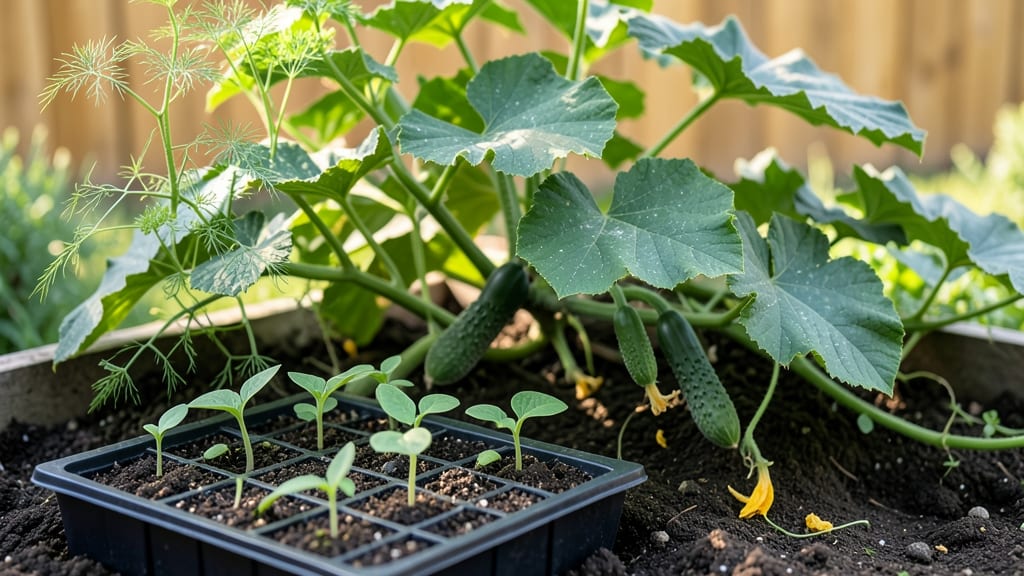
Plant cucumbers in Zone 9b between mid-February and early April to beat the brutal summer heat and give vines time to mature before temperatures soar.
Struggling to grow cucumbers in Zone 9B’s warm winters and scorching summers? Planting at the wrong time can mean bitter fruits or failed harvests—here’s the exact schedule for thriving cucumbers in your climate.
Unlike cooler zones, Zone 9b’s 365 frost-free days mean cucumbers can grow year-round, but the key is timing. Plant too early, and vines wilt in the heat; too late, and you’ll miss the spring harvest window.
Below, I break down the ideal planting dates, soil temperature thresholds, and how to extend your harvest into fall—plus the best heat-tolerant varieties for your region.

Best planting dates for cucumbers in Zone 9B (avoid these mistakes)
Zone 9B’s mild winters and intense summers create a unique challenge for growing cucumbers. Unlike cooler climates, you can’t just plant in spring—timing is everything to avoid heat stress, pests, and bitter fruits.
The secret? Plant when soil temperatures hit 55°F+ and escape the 90°F+ summer heat that stunts growth.
Most gardeners in Zone 9B focus on spring planting (February–March), but fall offers a second chance for success. The key is choosing heat-tolerant varieties and adjusting your schedule based on whether you’re growing vining or bush types. Let’s break down the exact windows—and what to avoid.
⚠️ Critical Mistake: Planting too early (before soil warms to 60°F) leads to slow germination and rot. Waiting too long (after May 15) risks scorched seedlings and poor yields. Zone 9B’s long growing season means you have flexibility, but precision wins.
Here’s your Zone 9B cucumber planting calendar, including soil temp thresholds and variety recommendations to maximize your harvest:
| Planting Window | Soil Temp Threshold | Best Varieties | Key Considerations |
|---|---|---|---|
| Late Winter (Feb 15–March 15) | 55–60°F | ‘Straight Eight’, ‘Marketmore 76’ | Avoid frost (none in Zone 9B), use shade cloth if temps exceed 85°F |
| Early Spring (March 15–April 15) | 60–65°F | ‘Lemon Cucumber’, ‘Armenian’ | Peak harvest time; mulch to retain moisture |
| Fall (Sept 1–Oct 15) | 65–70°F | ‘Suyo Long’, ‘Diva’ | Use row covers for pests; harvest before temps drop below 50°F |
| Avoid: Summer (May–Aug) | 75°F+ | N/A (too hot) | Risk of heat stress and powdery mildew; plants bolt or produce bitter fruit |
For spring planting, aim for February 15–March 15 when daytime highs are 70–75°F and nights stay above 55°F. This window gives seedlings time to establish roots before summer’s intensity. If you’re using seedlings, harden them off for 5–7 days before transplanting to avoid shock.
Pro Tip: Test your soil temperature with a soil thermometer (bury it 2 inches deep). If it’s below 55°F, wait—cold soil delays germination and invites rot. In Zone 9B, February mornings can still dip, so monitor closely.
If you’re growing bush varieties (like ‘Bush Champion’), you can plant slightly earlier (February 1) since they mature faster. Vining types (like ‘Straight Eight’) need the full March window to climb and produce before heat sets in.
Fall planting in Zone 9B is often overlooked but can be just as productive. Start seeds indoors August 1–15 and transplant September 1–15 when soil temps drop to 65–70°F. Use shade cloth (30–50%) to protect young plants from late-summer heat spikes.
⚠️ Common Mistake: Skipping succession planting in fall. Instead of one big batch, sow every 2 weeks from September to October. This stretches your harvest into November before cold slows growth.
Finally, avoid planting in summer (June–August) unless you’re using shade cloth and extra water. Even then, yields suffer. Instead, focus on heat-tolerant varieties like ‘Suyo Long’ and prioritize morning harvests to beat the afternoon heat.
With these precision planting dates and variety choices, you’ll dodge the pitfalls of Zone 9B’s climate and enjoy sweet, crisp cucumbers from
How to extend your cucumber season in Zone 9B (fall planting hacks)
Fall planting lets you enjoy homegrown cucumbers when summer heat fades. In Zone 9B, late-season cucumbers thrive from September to November—just as daytime temps dip below 90°F.
The key? Choosing the right heat-tolerant varieties and timing your plantings to avoid early frost (though Zone 9B rarely sees it).
I’ve grown ‘Straight Eight’ and ‘Marketmore 76’ in my desert garden, and they’ve given me crisp, sweet cucumbers well into December. These varieties handle 85°F+ days better than most, but they still need protection from late-season pests like cucumber beetles and spider mites.
Fall Planting in Zone 9B: Pros & Cons
Pros ✅
- Cooler temps = fewer pests
- Longer harvest window (Sept–Dec)
- Heat-tolerant varieties thrive
- Less watering needed as temps drop
Cons ❌
- Late-season pests (beetles, mites)
- Shorter daylight = slower growth
- Row covers needed for protection
- Limited seedling time before frost risk
Start with succession planting every 2–3 weeks from mid-August to early October. This ensures a steady supply of cucumbers instead of one big harvest. Plant seeds ½ inch deep in well-draining soil with compost mixed in—Zone 9B’s soil can get compacted easily.
Protect young plants with floating row covers to block pests while allowing sunlight. I use lightweight fabric (like Agribon) and secure it with bricks or stakes. Remove covers when flowers appear to allow bee pollination, then reapply after fruiting begins to deter pests.
Water deeply once a week in fall, focusing on the root zone. Mulch with straw or wood chips to retain moisture and suppress weeds. Avoid overhead watering to prevent fungal diseases like powdery mildew—common in Zone 9B’s humid afternoons.
Harvest cucumbers when they’re 4–8 inches long and deep green. Regular picking encourages more production. Store extras in the fridge for up to 1 week, or pickle them for long-term storage. With these hacks, I’ve extended my harvest 3–4 weeks longer than spring plantings!