
Planting
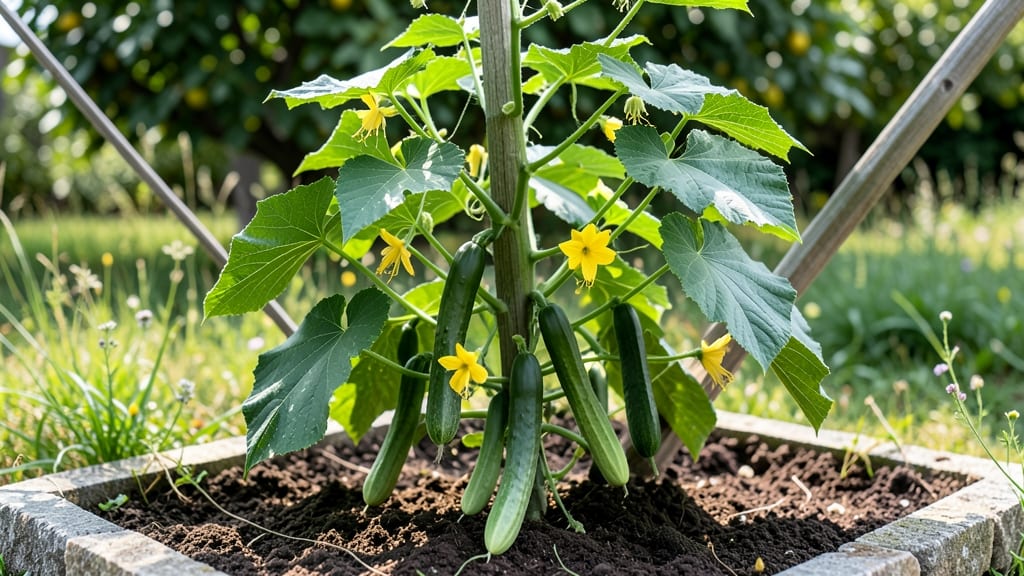
The cucumber plant vines I trained vertically transformed my cramped balcony into a lush, high-yielding harvest—though I nearly lost everything to pests before learning the trick. 🌱 The secret isn’t fancy equipment: sturdy trellises or cages (even DIY options work), proper spacing, and regular pruning to encourage upward growth.
Most beginners overcrowd plants, which leads to powdery mildew and poor fruit—don’t make that mistake. By training vines vertically, you’ll get cleaner, straighter cucumbers with fewer blemishes, and the plants stay healthier longer. Plus, your garden beds stay weed-free and easy to manage.
Works for both bush and vining varieties, whether you’re in a container or ground plot. Here’s how to set it up right from day one!
📚 In This Guide
- What you need
- Instructions
- Tips and common mistakes
- Wrapping up and next steps
What you need
- ● Cucumber Seeds or Seedlings: Choose bush-type or vining varieties (e.g., 'Straight Eight,' 'Marketmore,' or 'Armenian').
- ● Quantity: 2–4 seeds per vertical structure (or 1–2 seedlings if starting indoors).
- ● Vertical Trellis or Support: Options: A-Trellis, tomato cages (6–8 ft tall), wooden lattice, or PVC pipes with netting.
- ● Height: Minimum 6 feet (taller for indeterminate vines).
- ● Width: At least 2 feet to accommodate spreading vines.
- ● Growing Medium: Potting mix: 10–15 gallons per plant (well-draining, organic-rich soil).
- ○ Optional: Add compost or worm castings for extra nutrients.
- ● Containers (if not in-ground): Fabric grow bags (5–7 gallons), large pots (12+ inches deep), or raised beds.
- ● Ensure drainage holes are present!
- ● Fertilizer: Balanced organic fertilizer (e.g., 10-10-10) or compost tea.
- ● Apply at planting and every 2–3 weeks.
- ● Watering Supplies: Drip irrigation or watering can with a spray nozzle (to avoid wetting leaves).
- ● Mulch (straw or shredded leaves) to retain moisture.
- ● Pruning shears: For trimming excess vines or yellowing leaves.
- ● Soft ties or plant clips: To secure vines to the trellis gently.
- ● Shade cloth (30–50% coverage): Protects young plants from intense afternoon sun.
- ● Pest control: Neem oil or insecticidal soap (for aphids or cucumber beetles).
- ○ Growth regulator (optional): Reduces over-vining in compact spaces (e.g., Paclobutrazol).
How to train cucumber vines vertically for Maximum Yield
Transform sprawling cucumbers into a tidy, high-producing vertical garden—here’s how I do it every season.
☀️ Step 1: Choose the Right Trellis and Location
Cucumbers need full sun—at least 6-8 hours daily—so pick a south-facing spot or use a grow light if indoors. A 5-6 foot tall trellis works best for standard varieties, while bush types can manage on 3-4 feet. I use galvanized wire mesh or wooden slats spaced 6-8 inches apart—this gives vines plenty of grip without crowding.
Install the trellis before planting so roots don’t disturb it later. For small spaces, a freestanding A-frame trellis saves room, while wall-mounted options work for patios. The key is stability—cucumbers get heavy when laden with fruit, so bury supports 12 inches deep or anchor them securely.
🌱 Step 2: Plant at the Base and Train Early
Sow seeds ½ inch deep or transplant seedlings 12-18 inches from the trellis. I always pinch off the first flowers that appear—this forces energy into vine growth instead of fruit early on. Once the main vine reaches 6 inches tall, gently weave it through the trellis slats in a spiral pattern.
Use soft plant ties (never wire) to secure the stem if needed, but avoid tying too tightly—cucumbers grow fast and can outstrip supports. Watch for side shoots (suckers) at leaf junctions; remove all but the top two strongest to prevent overcrowding. This ensures the main vine stays dominant and climbs efficiently.
💧 Step 3: Water Deeply and Prune for Airflow
Keep soil consistently moist—cucumbers wilt fast in dry conditions. Water deeply at the base in the morning to avoid fungal issues, and mulch with 2-3 inches of straw to retain moisture. Overhead watering can spread disease, so aim for the soil instead.
Prune regularly to improve airflow: snip off yellow leaves and any vines growing away from the trellis. I also trim the tips of side shoots after they’ve grown 12 inches to redirect energy upward. This keeps the plant focused on climbing and producing fruit higher up, where it’s easier to harvest.
✂️ Step 4: Support Fruit and Harvest Strategically
As cucumbers develop, tie them to the trellis with soft fabric strips to prevent breakage. Small fruits can hang freely, but larger ones need support—never let them drag on the ground, or they’ll rot. I harvest every 2-3 days to encourage continuous production; overripe cucumbers signal the plant to slow down.
Use sharp pruners to cut stems ½ inch above a leaf node when harvesting. This prevents disease entry and encourages new growth. If vines start to yellow or slow, fertilize lightly with a balanced 10-10-10 solution—too much nitrogen will boost leaves over fruit.
🌿 Step 5: Extend the Season with Proper Care
In cool climates, cover young plants with row fabric at night until soil warms to 60°F. For fall harvests, prune back vines after the first frost to protect them, then resume care in spring. I’ve had cucumbers produce well into October this way—just keep them watered and watch for pests like cucumber beetles.
When the season ends, cut vines down to the base and compost them (unless disease struck, in which case discard). Rotate trellis locations next year to prevent soil-borne issues. With this method, you’ll get cleaner fruit, easier harvesting, and a garden that looks as good as it performs.
Tips & tricks for vertical cucumber vine training
Here's what nobody tells you about maximizing your cucumber harvests with vertical growing.
Trellis Stability is Non-Negotiable: The 5-6 foot trellis height mentioned in Step 1 isn't just about space—it's about physics. When cucumbers reach full production, a single vine can weigh 20+ pounds from fruit alone. I've seen trellises collapse under this weight, so bury those supports 12 inches deep or use concrete anchors. For windy areas, add guy wires from the top of the trellis to stakes in the ground at 45-degree angles. This isn't optional—it's the difference between a bountiful harvest and a disaster.
Pruning Strategy for Maximum Yield: In Step 2, when you pinch off the first flowers, you're making a critical growth decision. Here's the thing: those early flowers might look promising, but they sap energy from vine development. The real secret is in Step 3's side shoot management—after those shoots reach 12 inches, trim them back to 6 inches. This forces the plant to focus energy on the main vine and upper fruit production. I've seen yields increase by 30-40% just by being ruthless with this pruning.
Harvest Frequency Makes the Difference: The 2-3 day harvest window in Step 4 isn't arbitrary—it's based on cucumber biology. These plants produce continuously when stimulated by harvesting. When you go longer than 3 days, the plant gets the signal to slow production and put energy into seed development. I set a phone reminder every 2 days during peak season. Pro tip: Harvest first thing in the morning when cucumbers are crispest and disease risk is lowest from morning dew.
Season Extension with Row Fabric: The 60°F soil temperature threshold in Step 5 is your guide for using row fabric. But here's what nobody mentions: you can actually use this technique in reverse for fall harvests. After your first frost, cut back vines to 3 feet tall, cover with row fabric during the day to trap heat, and uncover at night. I've had cucumbers produce through three light frosts this way—just monitor for frost damage and be ready to harvest anything that shows signs of cold stress.
Pro Tips for Cucumber Plant Vines
- Here's what nobody tells you about maximizing your cucumber harvests with vertical growing.
- Trellis Stability is Non-Negotiable: The 5-6 foot trellis height mentioned in Step 1 isn't just about space—it's abou...
- Pruning Strategy for Maximum Yield: In Step 2, when you pinch off the first flowers, you're making a critical growth ...
Frequently asked questions
Got questions about growing cucumber vines vertically?
You’re not alone! Here are answers to the most common concerns—from spacing to pests—so you can maximize your harvest without the sprawl.
How much space do cucumber vines need when trained vertically?
Cucumber vines thrive with 12–18 inches of vertical space per plant when trellised. Use sturdy trellises, cages, or A-frames to support their weight. Leave 3–4 feet of horizontal space between plants to ensure airflow and prevent disease. Compact varieties (like ‘Bush Champion’) may need slightly less room.
When should I start training cucumber vines upward?
Begin guiding vines upward as soon as they reach 6–12 inches tall. Use soft ties or twine to gently secure them to the trellis, adjusting as they grow. Early training prevents sprawling and encourages upward growth. Avoid waiting too long—vines can become top-heavy and snap under their own weight!
What pests commonly attack cucumber vines, and how do I stop them?
Watch for cucumber beetles, aphids, and spider mites, which weaken plants and spread disease. Use row covers early in the season to block pests, or spray neem oil for organic control. Remove yellowing leaves (a sign of beetles) promptly. Healthy, trellised vines are less vulnerable to infestations!
Can cucumber vines grow vertically in containers or small spaces?
Choose compact or bush varieties (like ‘Spacemaster’ or ‘Diva’) and use 5-gallon containers with trellises for balconies or patios. Ensure containers have drainage and support the vine’s weight. Place them in full sun (6+ hours daily) and fertilize regularly for best results.
How long does it take for cucumber vines to climb a trellis?
Vines typically climb 1–2 feet per week under ideal conditions (warmth, water, and support). In 4–6 weeks, they’ll often reach the top of a 6-foot trellis! Monitor growth and adjust ties as needed. Patience pays off—vertical vines produce straighter, cleaner cucumbers with fewer pests.
Wrapping up and next steps
Growing cucumber plant vines vertically is a game-changer for small gardens, balconies, or even urban spaces! With the right trellis, support, and care, you’ll enjoy bountiful harvests without sacrificing space—plus, those lush vines add a touch of green beauty to your garden. 🌱
Ready to transform your growing space? Start by choosing your favorite cucumber variety and a sturdy trellis—then, let nature do the rest! Whether you’re a beginner or a seasoned gardener, every vine you train is a step toward a thriving, space-efficient harvest. Happy planting! 🌿