
Vegetables
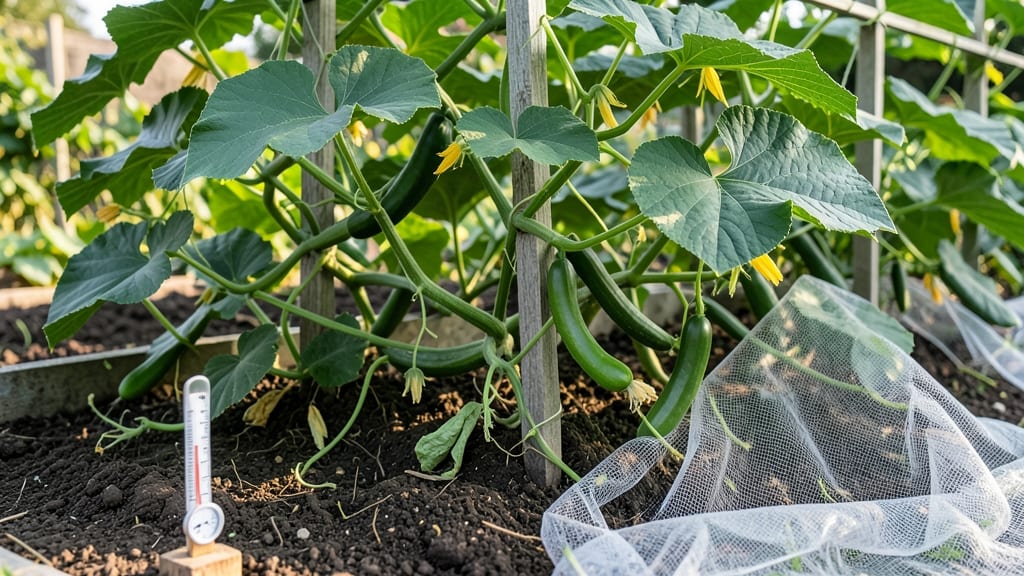
The cucumber minimum temperature is a stubborn 55°F—any cooler, and those stubborn seeds won’t budge, no matter how hard you coax them. 🌱 I’ve learned the hard way that rushing seedlings into chilly beds means waiting weeks for any action, and even then, the plants struggle.
The real magic happens when soil warms to 60-65°F, where seeds sprout reliably in 5-7 days and vines grow like crazy.
Here’s the deal: air temperature matters less than soil warmth.
A sunny afternoon can push soil temps up enough to trick cucumbers into thinking spring’s arrived, even if mornings still dip into the 40s. That’s why black plastic mulch or row covers become your best friends in cooler zones—they create a microclimate where roots stay cozy.
When you nail the timing, you’re rewarded with thick, disease-resistant vines that produce cucumbers all season. The key is patience: wait for those soil thermometers to hit 60°F before planting, and you’ll avoid the heartbreak of stunted growth or no harvest at all.
For true cold warriors, greenhouse starts or cold frames let you plant 2-4 weeks earlier—just be ready to protect seedlings from late frosts. The payoff? A longer harvest window and cucumbers that taste like summer, even in chilly climates.
📚 In This Guide
- What you need
- Instructions
- Tips and common mistakes
- Wrapping up and next steps
What you need
- ● Cucumber seeds or seedlings: Choose cold-tolerant varieties like ‘Northern Pickling’ or ‘Armenian’ (20–50 seeds or 5–10 seedlings).
- ● Containers or garden beds: 5–10 gallon pots (for container gardening) or a 4’ x 8’ raised bed (for in-ground planting).
- ● Well-draining potting mix: 10–20 bags (sterile, peat-based mix with perlite or vermiculite).
- ● Thermometer (soil + air):strong> Digital probes (e.g., Thermopro TP16) to monitor cucumber minimum temperature (soil: 60–70°F; air: 70–90°F).
- ● Row covers or cold frames: Frost cloth (3–4 oz weight) or a mini greenhouse (for seedlings).
- ● Watering can or drip irrigation: 1–2 gallons capacity with a gentle spray nozzle.
- ● Fertilizer: Balanced 10-10-10 or compost (organic option: worm castings).
- ● Hand trowel & pruners: For transplanting and trimming.
- ○ Heat mat (optional): Germination mat (70–80°F range) for starting seeds indoors.
- ○ Grow lights (optional): LED full-spectrum bulbs (12–16 hrs/day) if natural light is limited.
- ● Mulch (straw or black plastic): To insulate soil and retain warmth.
- ● pH test kit: Adjust soil pH to 6.0–6.8 for optimal nutrient uptake.
How to plant cucumbers safely in cold climates
Cold snaps can wreck cucumbers fast—here’s how to plant them when temperatures dip.
🌱 Step 1: Time Planting for Warm Soil
Cucumbers won’t germinate below 50°F soil temperature, so wait until the ground warms to at least 60°F—even if air temps are still chilly. I test soil warmth by pressing my finger in; if it feels warm like a hot cup of tea, it’s ready. Planting too early in cold soil leads to seeds rotting in the ground.
Use a soil thermometer for accuracy. In cold climates, I often plant cucumbers 2-3 weeks after the last frost date when soil finally reaches that sweet spot. If your spring is slow to warm, consider using black plastic mulch (lay it down a week before planting) to absorb sunlight and raise soil temps faster.
☀️ Step 2: Choose Cold-Tolerant Varieties
Not all cucumbers handle chilly nights equally. Look for varieties labeled "cold-tolerant" or "early-season", like 'Northern Pickling' or 'Straight Eight'. These can withstand brief dips to 45°F without major stress. Avoid heat-loving varieties like 'Marketmore' if your nights drop below 50°F regularly.
I always check seed packets for chill resistance ratings. If you’re unsure, ask your local nursery which varieties thrive in your hardiness zone. Remember, even cold-tolerant cucumbers won’t produce well below 55°F—they’ll just survive longer.
🪴 Step 3: Use Containers or Row Covers
For extra protection, plant cucumbers in 5-gallon containers filled with warm compost. Containers warm up faster in sunlight and can be moved to sheltered spots if frost threatens. Add a row cover (lightweight fabric) at night to raise temps by 5-10°F—just remove it by midday to prevent overheating.
If using row covers, secure them loosely so plants aren’t crushed by wind. I stake mine with small hoops and clips for easy removal. This method lets me extend the growing season by 2-3 weeks in marginal climates.
💧 Step 4: Water Strategically to Prevent Chill Stress
Cold soil + inconsistent watering = stressed cucumbers. Keep soil evenly moist (not soggy) to help roots absorb warmth. Water in the late afternoon so soil retains heat overnight. Avoid wetting leaves at night—damp foliage in cold temps invites fungal diseases like powdery mildew.
Mulch with 2-3 inches of straw after planting to insulate roots. The mulch acts like a blanket, keeping soil temps 5-8°F warmer than bare ground. I always check mulch moisture by hand—it should feel damp but not dripping.
⏰ Step 5: Monitor and Adjust for Late Frost
If a late frost warning hits, rush to cover plants with frost blankets or even old bedsheets. Cucumbers can handle 28-32°F for short periods if dry, but frost kills them quickly. Remove covers by 10 AM to prevent overheating during the day.
Watch for yellowing leaves—this often signals chill damage. If only lower leaves yellow, prune them off to redirect energy. But if new growth wilts or blackens, the plant’s too cold and may not recover. In that case, start over with a later planting.
Tips & tricks for chill-resistant cucumber planting
These practical tricks will help you beat the cold and grow thriving cucumbers even when temperatures dip.
Soil Temperature Test: The 60°F soil temperature threshold is non-negotiable for germination. I learned this the hard way—planting too early in 50°F soil made my seeds rot before sprouting. Use a soil thermometer for accuracy, especially in mornings when temps drop. If you're unsure, the finger test works too: press your finger into the soil about 2 inches deep. If it feels warm like a hot cup of tea, it's ready. For extra insurance, plant in the afternoon when soil has absorbed daytime warmth.
Variety Selection Strategy: Not all cucumbers are created equal when it comes to cold tolerance. The 45°F threshold for cold-tolerant varieties like 'Northern Pickling' is your safety net during chilly nights. I always cross-reference seed packets with my local hardiness zone—zone 4 gardeners should avoid heat-loving varieties entirely. Pro tip: Look for seed packets that mention "early-season" or "parthenocarpic" (self-pollinating) varieties—they handle cool weather better and produce faster.
Container Advantage: Those 5-gallon containers aren't just for aesthetics—they create microclimates that warm up 5-10°F faster than open ground. I use black containers because they absorb sunlight like solar panels. For even more protection, fill them with compost mixed with coconut coir (it retains warmth better than regular soil). The key is placing containers in the sunniest spot you have, even if it's against a south-facing wall or fence.
Frost Watch System: The 28-32°F range is your warning zone for frost damage. I set up a simple alert system using my phone's weather app with frost warnings enabled. When alerts come in, I have frost blankets ready—old bedsheets work in a pinch. The 10 AM removal time is critical: cucumbers need sunlight to recover from nighttime chills. I also keep a small fan handy to circulate air under covers during the day, preventing moisture buildup that invites mold.
Pro Tips for Cucumber Minimum Temperature
- These practical tricks will help you beat the cold and grow thriving cucumbers even when temperatures dip.
- Soil Temperature Test: The 60°F soil temperature threshold is non-negotiable for germination. I learned this the hard...
- Variety Selection Strategy: Not all cucumbers are created equal when it comes to cold tolerance. The 45°F threshold f...
Frequently asked questions
Got questions about keeping your cucumbers happy in cooler weather? Here are some of the most common concerns—and their answers—to help you grow thriving vines, even when temperatures dip!
What’s the absolute minimum temperature cucumbers can tolerate?
Cucumbers thrive best above 70°F (21°C), but they can handle brief dips to 50°F (10°C).
Below 50°F, growth slows, and frost (<32°F/0°C) will kill them. Use row covers or cold frames to protect plants during early spring or late fall plantings.
How do I protect cucumbers from unexpected cold snaps?
Use temporary solutions like:
- Row covers (lightweight fabric) to trap warmth.
- Black plastic mulch to absorb sunlight and raise soil temps.
- Cloche tunnels or cold frames for extreme drops.
For severe frost, cover plants with blankets or move potted cucumbers indoors overnight.
Can I grow cucumbers in cold climates at all?
Yes! Try these cold-hardy varieties:
- ‘Northern Pickling’ (tolerates cooler soil).
- ‘Armenian’ (more resilient to temperature swings).
- ‘Straight Eight’ (matures faster in short seasons).
Start seeds indoors 3–4 weeks before last frost and transplant after soil warms to at least 60°F (15°C).
Why do my cucumbers turn yellow or wilt in cold weather?
Cold stress causes wilting or yellowing leaves due to slowed metabolism. Check for:
- Root rot (from soggy, cold soil—improve drainage!).
- Fungal diseases (like powdery mildew) thriving in damp, chilly air.
- Nutrient deficiencies (add compost or balanced fertilizer).
Move plants to a sunnier spot or use a small greenhouse to revive them.
When is the best time to plant cucumbers in cold regions?
Aim for after the last frost when soil temps hit 60–65°F (15–18°C). Use a soil thermometer to test—cucumbers won’t germinate well in cold soil. For early starts, plant in warmth-protected beds (like raised beds with black plastic) or wait until late spring.
What’s a quick fix if my cucumber plants are struggling in cold soil?
Try these emergency fixes:
- Mulch heavily with straw to insulate roots.
- Water with warm water (not hot!) to raise soil temp slightly.
- Transplant to a warmer microclimate (e.g., near a south-facing wall).
If plants are severely stunted, consider replanting with a cold-tolerant variety.
Wrapping up and next steps
Understanding the cucumber minimum temperature is your secret weapon for thriving harvests, even in cooler climates! 🌱 With the right cold-hardy varieties, protective techniques, and gradual acclimation, you can confidently grow cucumbers year-round—or at least extend their season.
Start small with a test batch, and don’t forget to monitor soil temps like a pro!
Ready to take the plunge? Pick your favorite variety and begin planning your chill-proof garden today—your future crisp, homegrown cucumbers are waiting! 🥒